

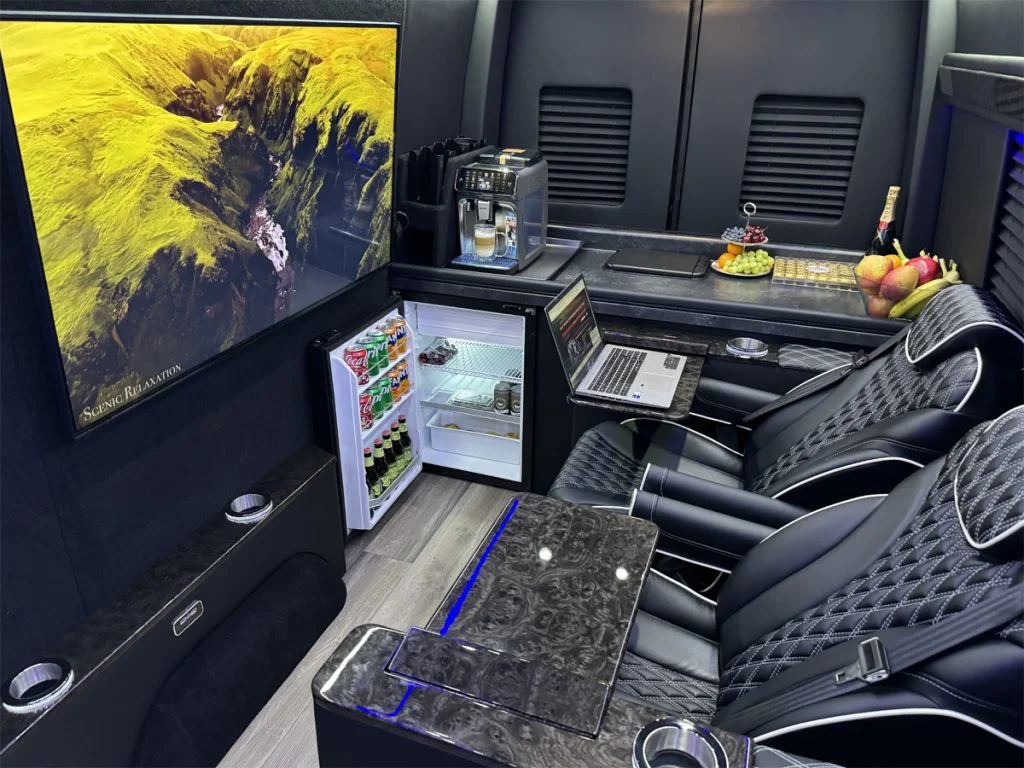
Ask ten builders what a luxury Sprinter van conversion costs and you will get ten different answers, because the honest answer is a range. Across the industry, finished builds run from the price of a well-equipped pickup truck to the price of a small house. The spread comes down to a handful of decisions: the chassis underneath, the systems hidden in the walls, the furniture you can see, and the standard of engineering holding it all together.
This guide walks through what actually drives the cost of custom Sprinter conversions in 2026, what typical market ranges look like, and why most buyers in the luxury segment choose a professional coachbuilder instead of a DIY project.
The Chassis Sets Your Starting Point
Every build starts with the van, and the Mercedes-Benz Sprinter is the premium platform in this market for good reason: a refined diesel powertrain, available all-wheel drive, a high roof most adults can stand under, and a commercial-grade chassis rated for serious payload. Your first cost decision is wheelbase. The 144 is shorter, easier to park, and less expensive. The 170 and 170 Extended cost more up front and carry more conversion: more seating, more cabinetry, and more tank and battery capacity.
Options move the number quickly from there. All-wheel drive, upgraded suspension, driver-assistance packages, and higher weight ratings all add real money, and across the industry a well-optioned new Sprinter chassis typically represents a mid five figure investment before a single cabinet goes in.
Cabinetry and Materials: Where Luxury Shows First
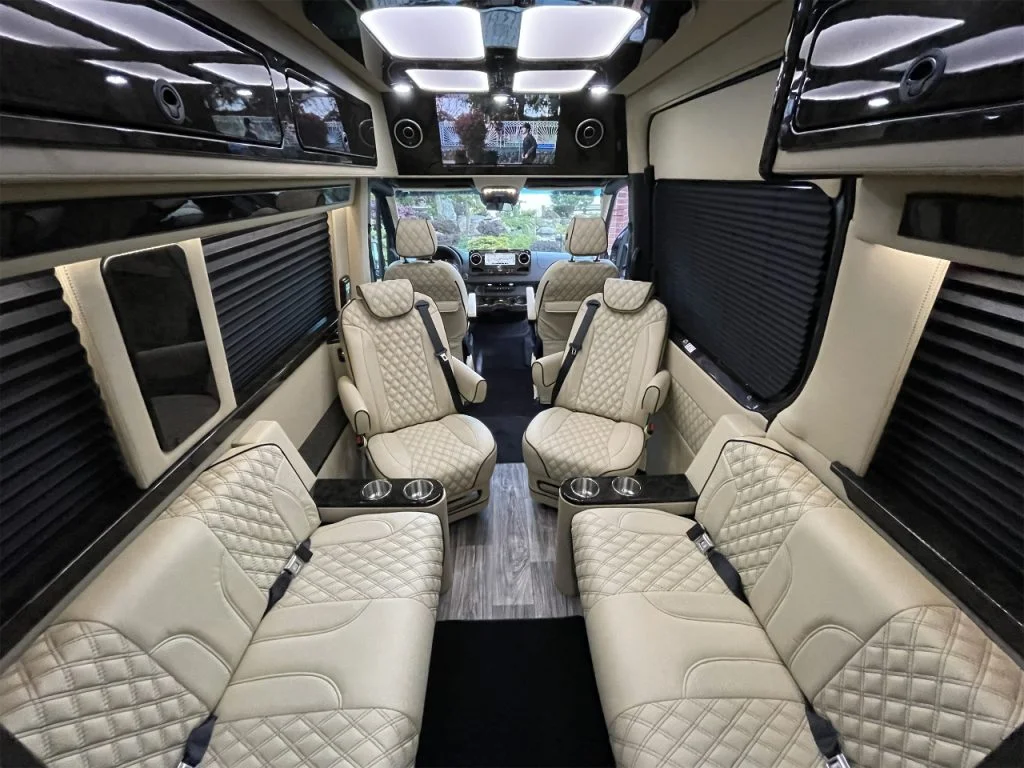
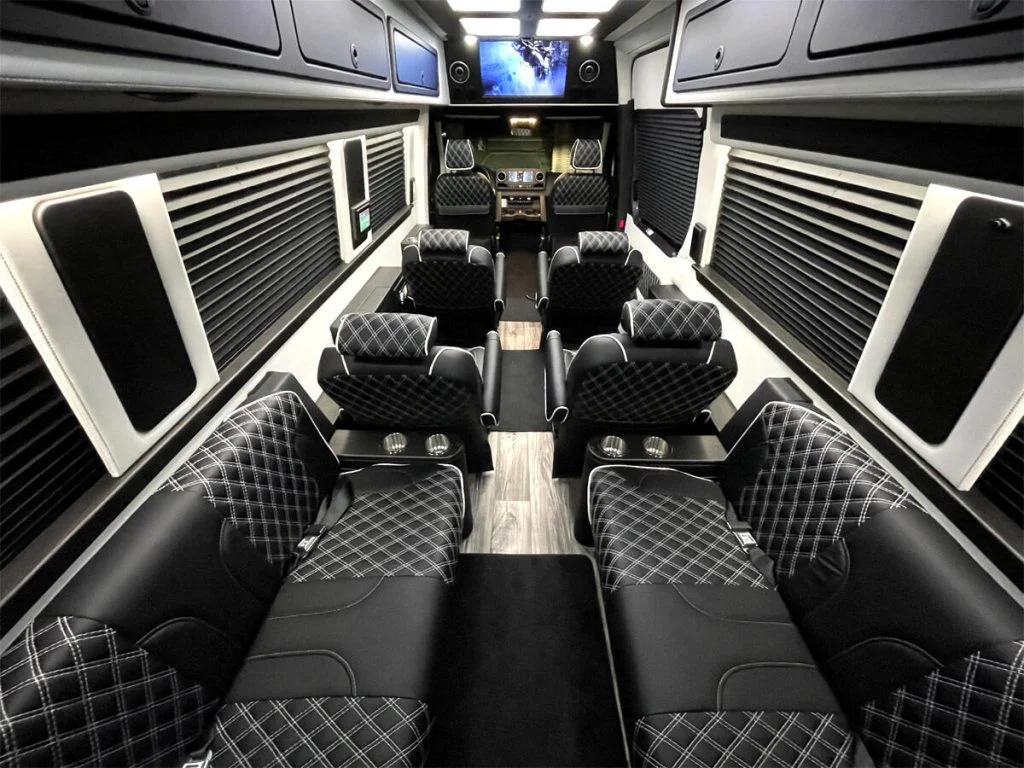
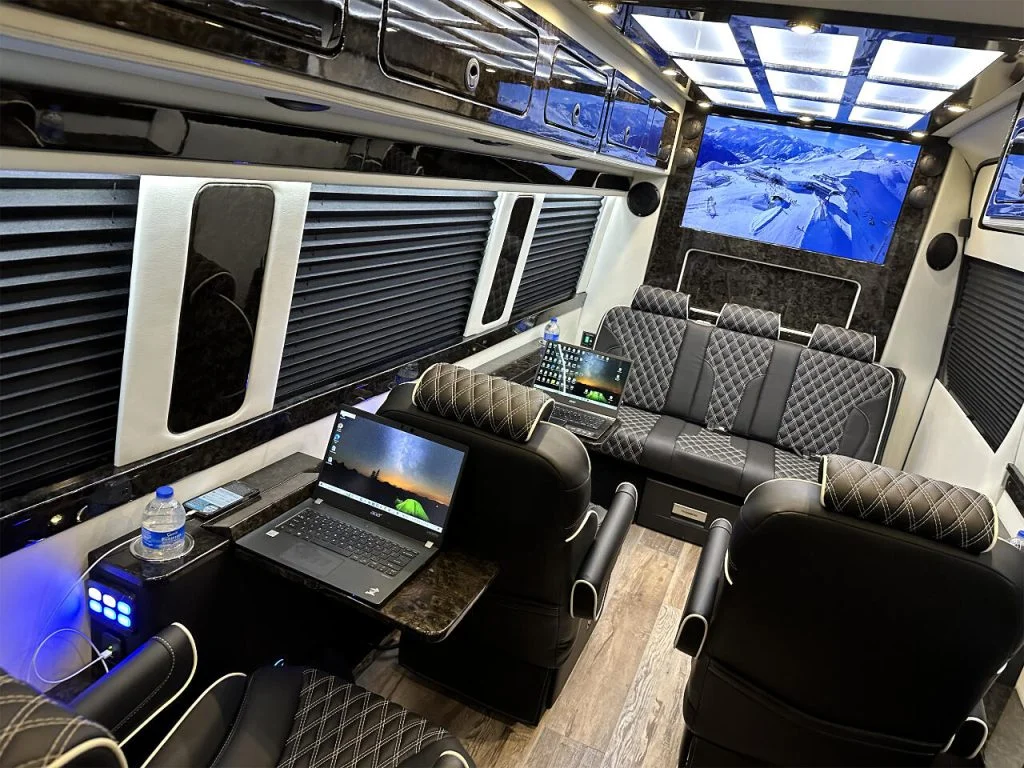
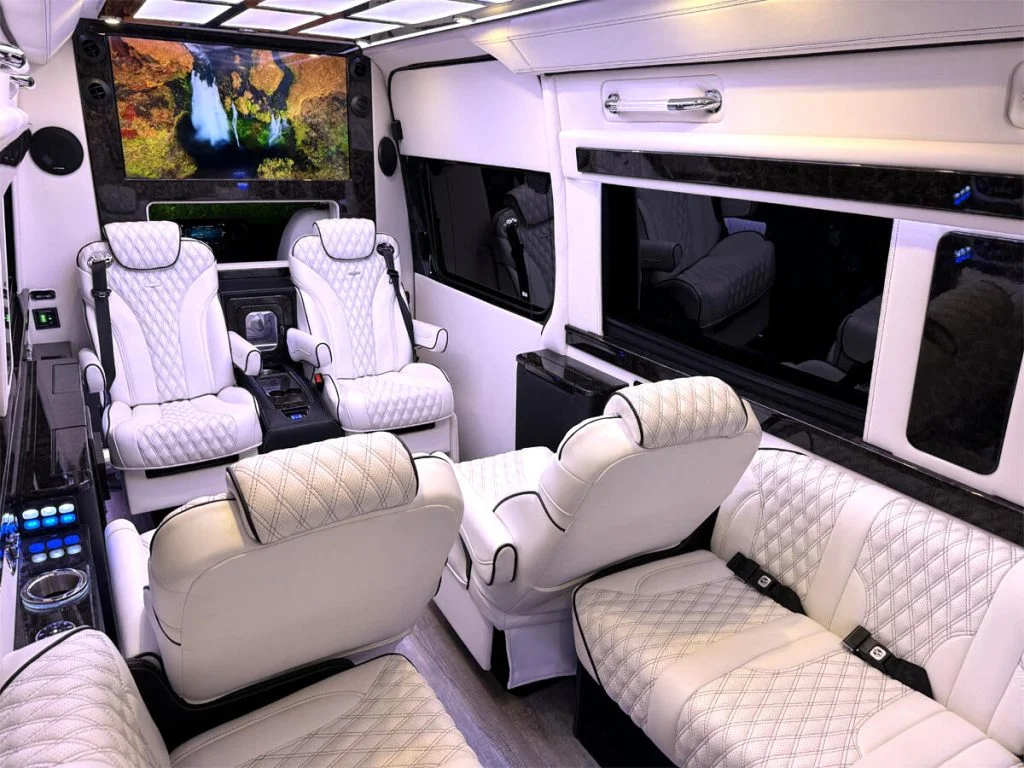
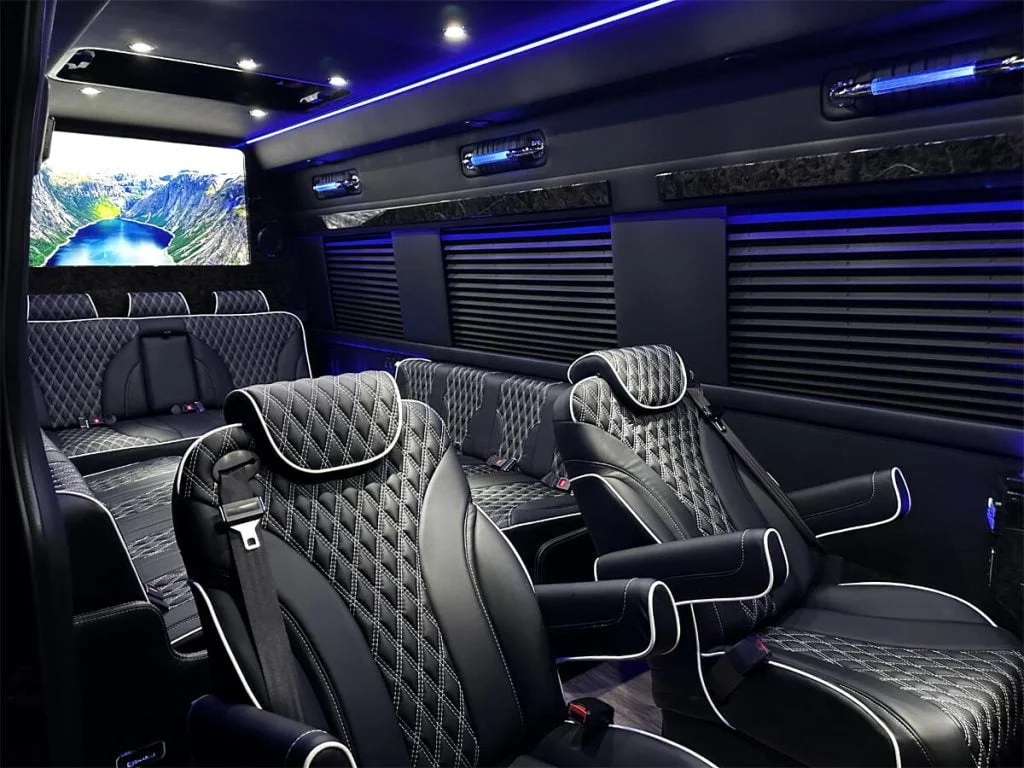
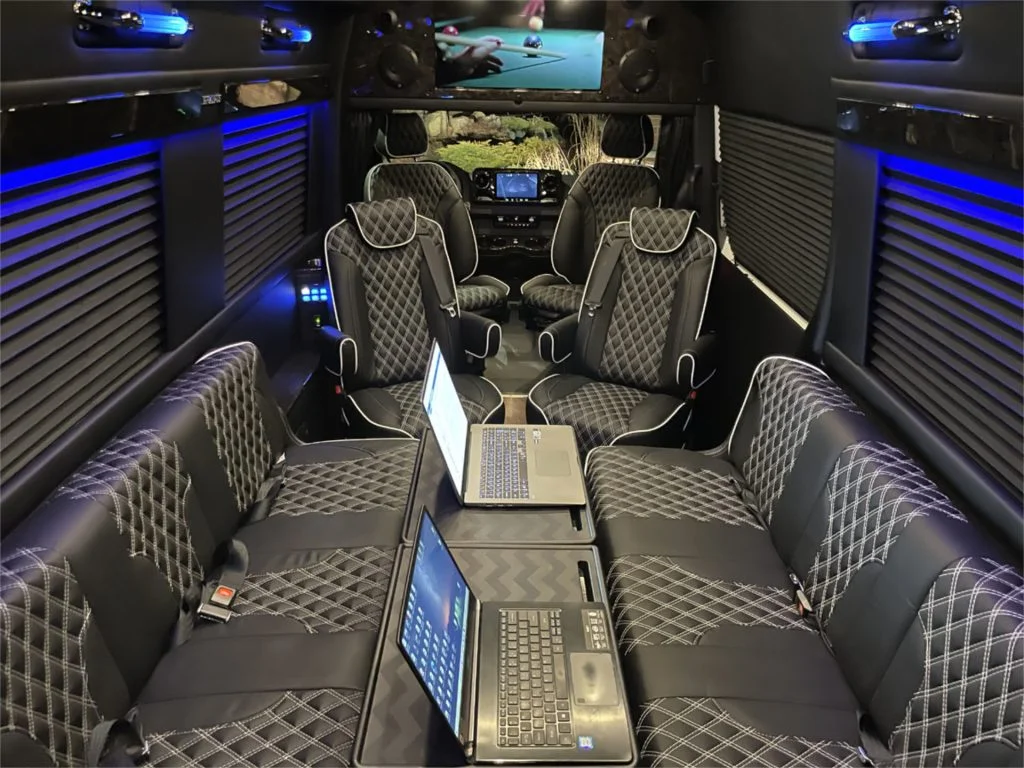
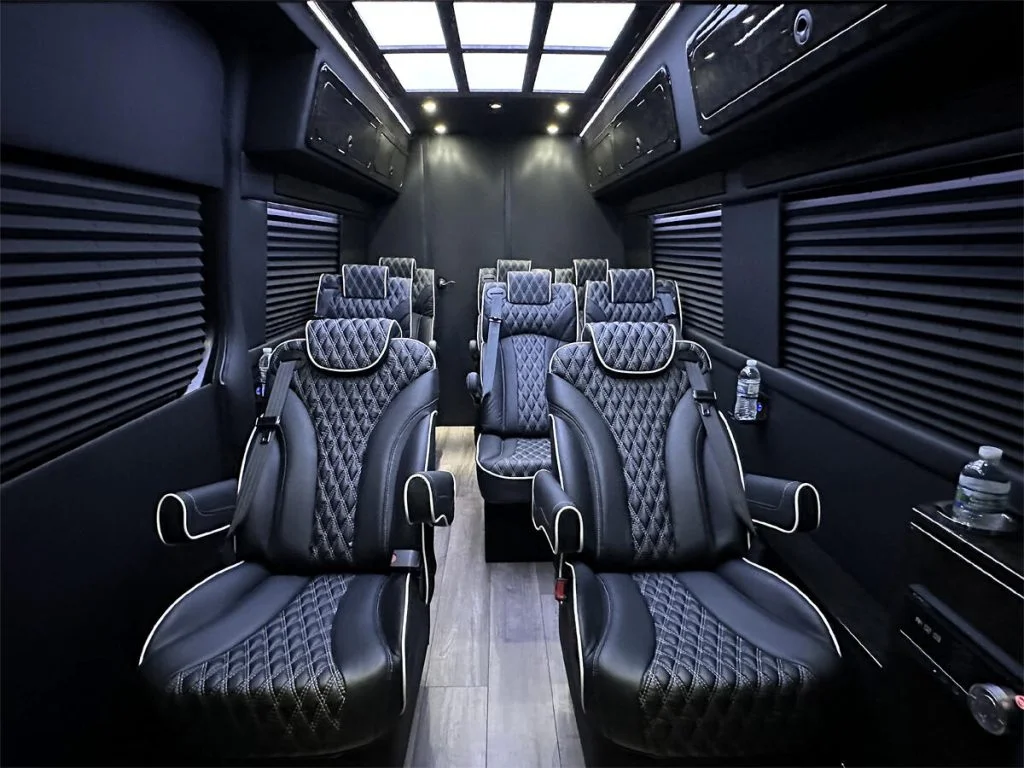
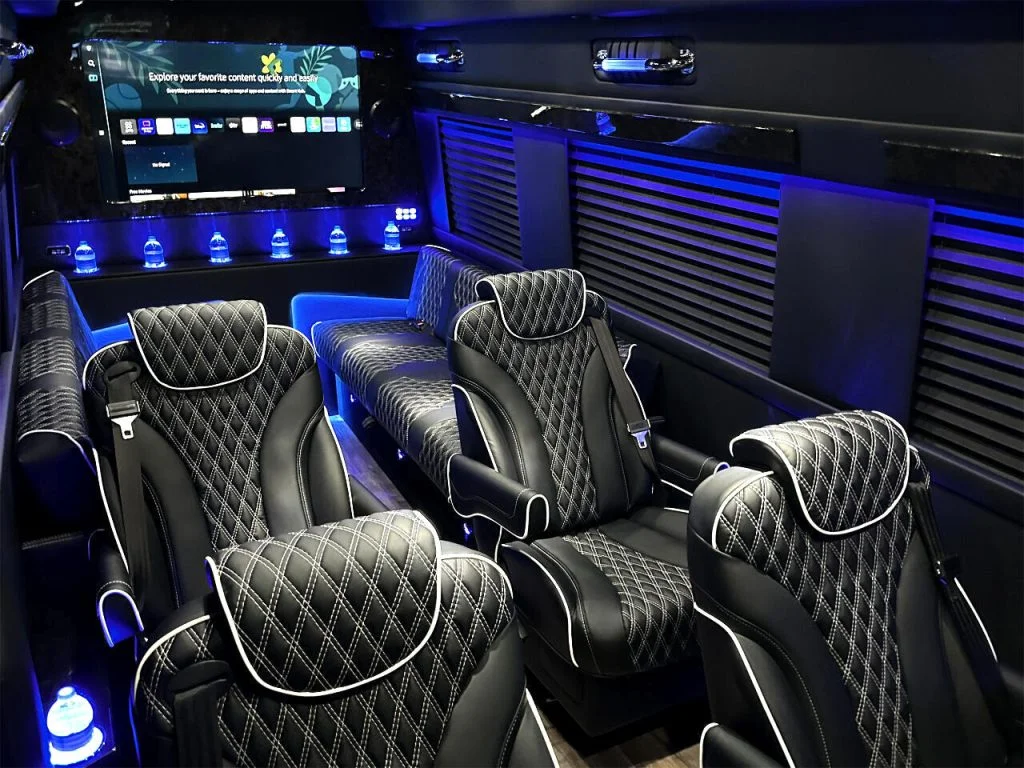
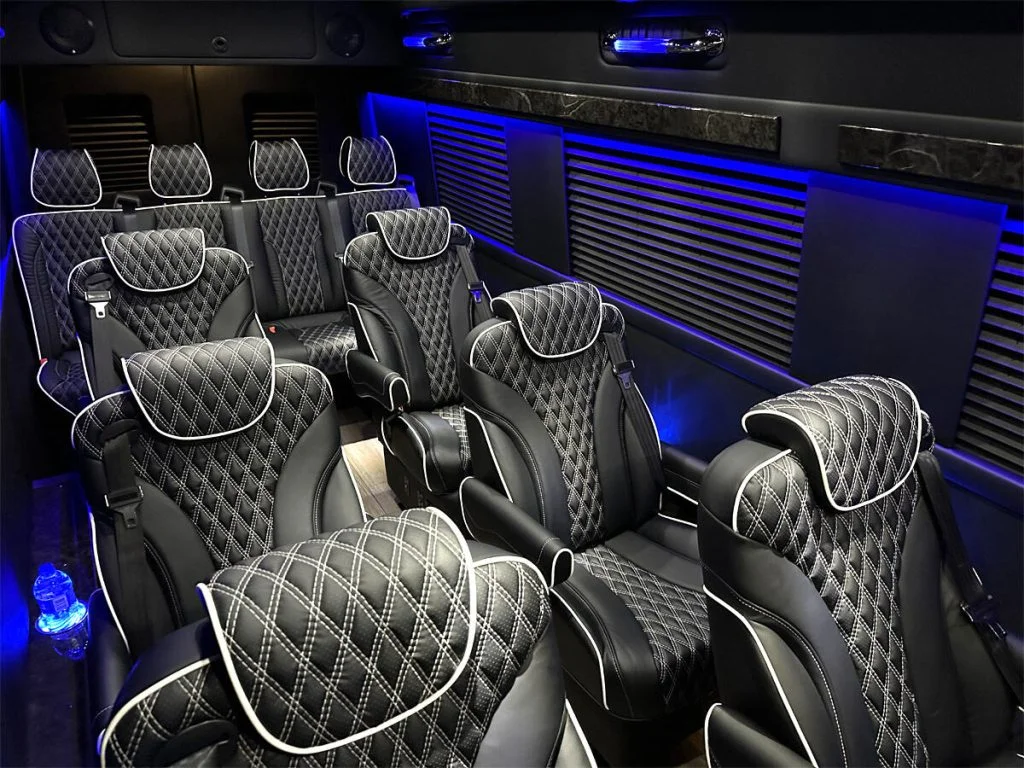
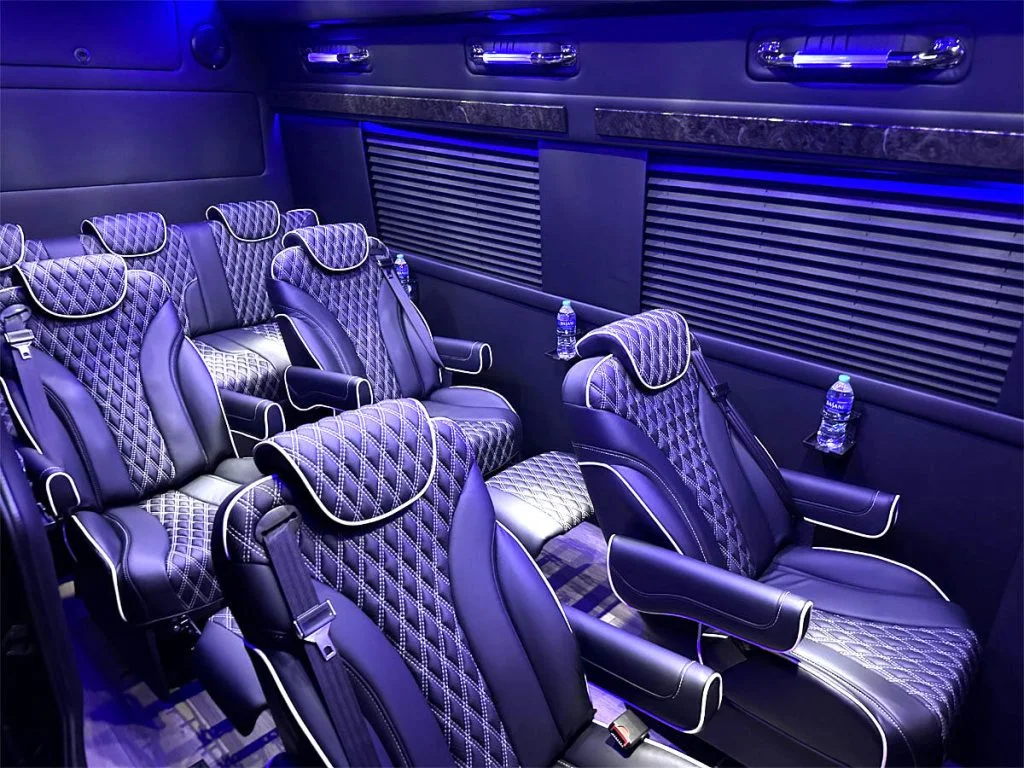
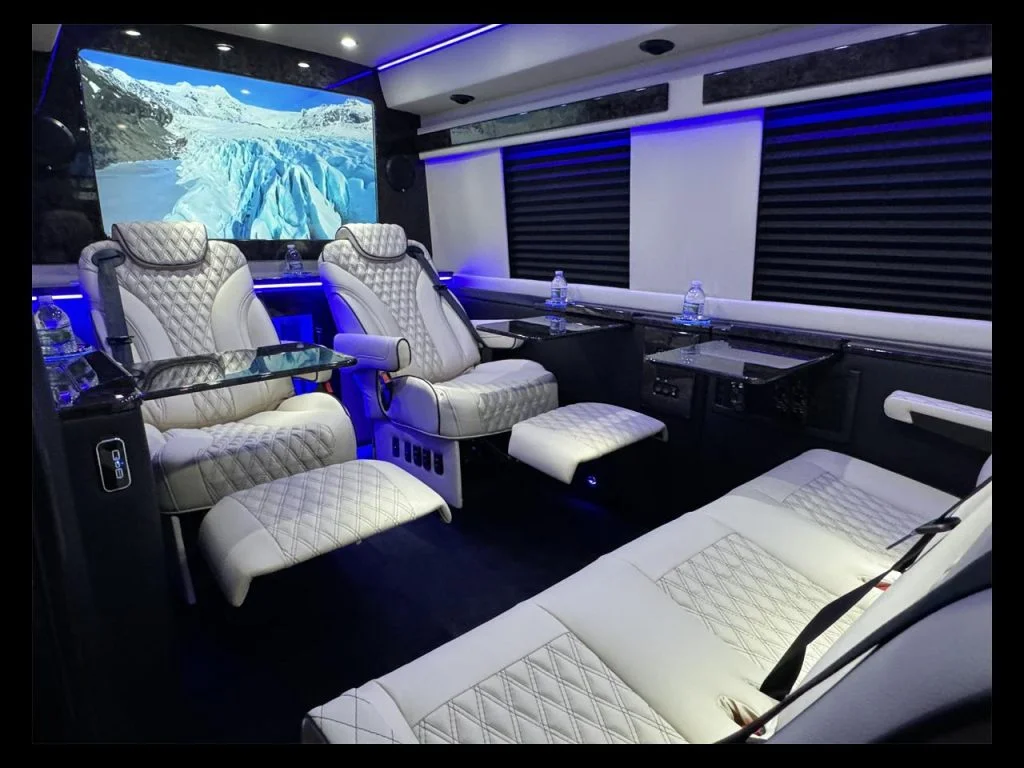
Walk through a budget conversion and a luxury coach back to back and the difference is immediate. Entry-level builds use ready-made cabinets, laminate surfaces, and off-the-shelf hardware. A luxury build uses CNC-cut cabinetry engineered for a vehicle that flexes and vibrates down the road, premium woods and composites chosen for weight as much as appearance, marine-grade hardware that will not rattle loose, and upholstery sewn to automotive standards.
Materials are only half of it. Hundreds of labor hours separate a good build from a great one, and that craftsmanship is the main reason two vans with identical floor plans can be tens of thousands of dollars apart.
Power, Bathrooms, Seating, and Tech
The power system is the biggest hidden variable in any quote. Lithium house batteries, a high-output inverter, alternator charging, and roof solar determine whether your van runs air conditioning overnight or goes quiet when the campground hookups do. Across the industry, a serious lithium and solar package can add five figures to a build on its own. It is also the backbone of off-grid models like Auto Elite's Eco Evolution and Eco Revolution, which are designed around solar power from the start.
Bathrooms force a real choice. A permanent wet bath is convenient but permanently spends a meaningful share of a small floor plan. A removable bathroom gives that space back when you do not need it, which is why Auto Elite builds the Road Jet and the Elite Cruiser around removable bathroom systems.
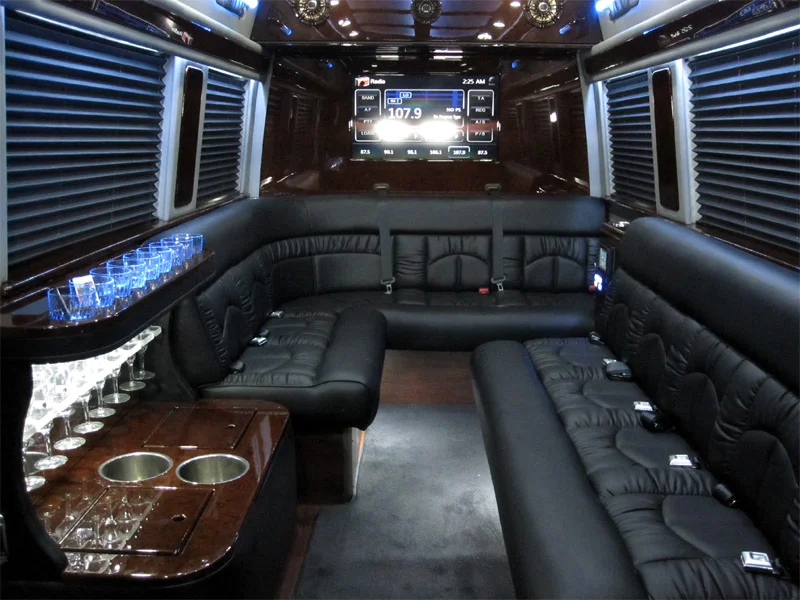
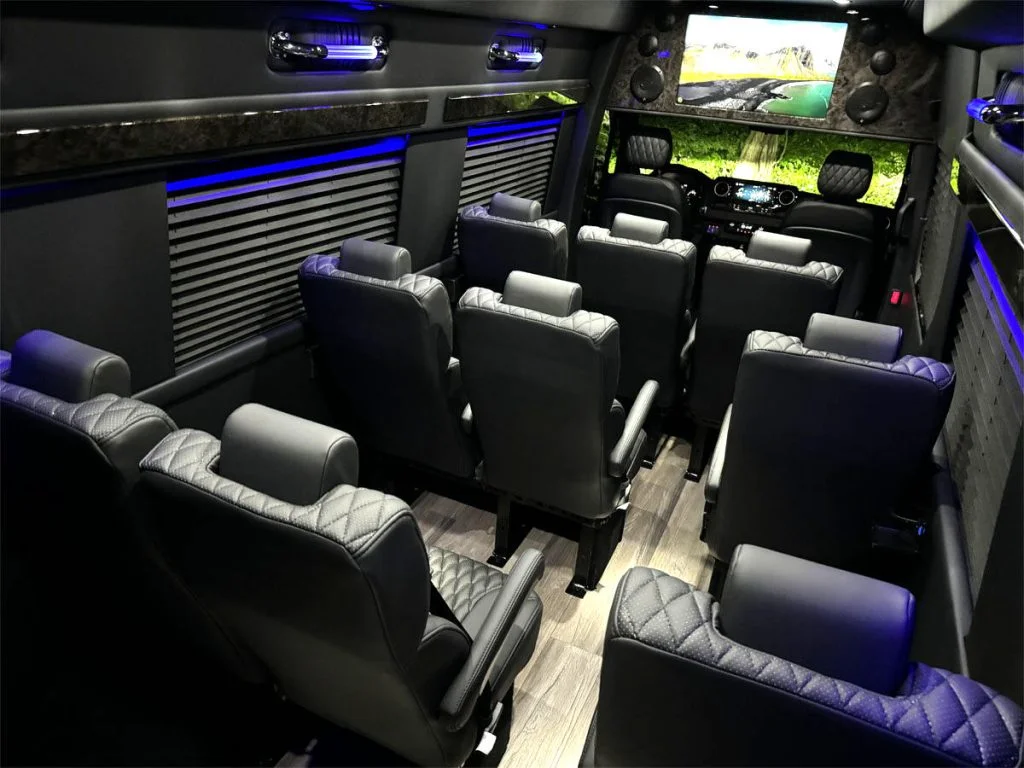
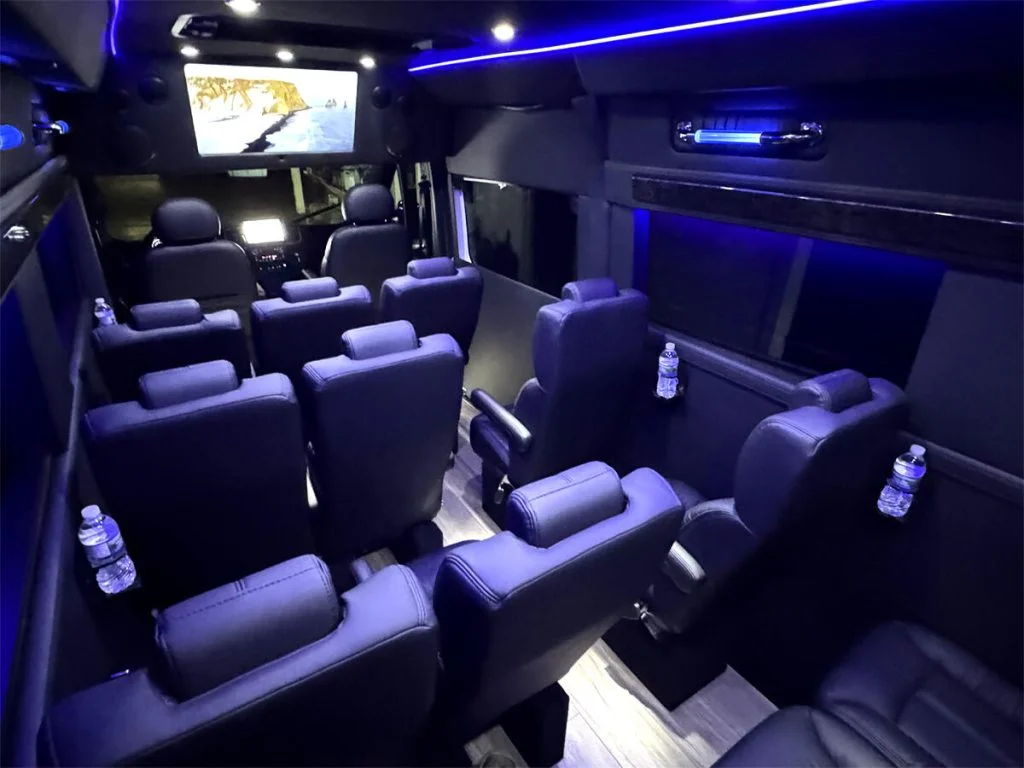
Seating and tech round out the budget. Crash-tested captain chairs, power sofas that convert to beds, smart lighting, large displays, and connectivity-ready wiring each add cost in proportion to how far you take them.
What Conversions Cost Across the Industry
With those variables in mind, here is how the market generally shakes out in 2026. DIY and budget conversions: owners doing their own work commonly spend $20,000 to $60,000 on parts and materials on top of the van itself, with the final figure depending heavily on the power system and how much labor they hire out.
Professional mid-market builds: complete vans from established shops typically land between $120,000 and $200,000 including the chassis.
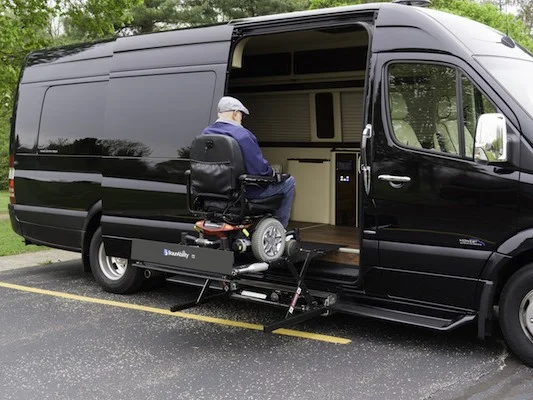
Luxury coach builds: at the top of the market, fully outfitted luxury Sprinters generally run from roughly $180,000 to $400,000 and beyond, with bespoke executive limousines, mobility builds, and armored vans priced to their specifications. Every serious builder quotes these vehicles individually, because no two are specified the same way.
Why Buyers Choose a Professional Coachbuilder Over DIY
The DIY route looks cheaper on a spreadsheet, and for a simple weekend camper it can be. In the luxury segment, the math changes. Safety is the first reason: passenger seating must be anchored to meet federal motor vehicle safety standards, and FMVSS-compliant seat mounting, airbag-aware electrical work, and properly installed heating and fuel systems are not weekend skills. A professional coachbuilder engineers, tests, and documents all of it.
Resale and financing are the second reason. Lenders and insurers treat a documented professional conversion like the premium vehicle it is, while homemade builds are routinely difficult to finance, insure, and eventually sell. The third is support: a professional build comes with a builder standing behind the work, while a DIY problem is always yours alone. Add six to twelve months of lost weekends, and turnkey starts to look like the bargain.
The Section 179 Angle for Business Buyers
If the van will work for a living, the tax code may help pay for it. Heavy vehicles with a gross vehicle weight rating above 6,000 pounds that are used predominantly for business can qualify for accelerated depreciation under Section 179, and Sprinter-based shuttles and mobile offices clear that weight threshold easily. Many executive shuttle and limousine buyers deduct a substantial portion of the purchase in the first year.
Tax law changes and every situation is different, so consult a tax professional before you structure the purchase. But for charter operators, real estate teams, and executives who genuinely work from the road, the effective cost of a luxury build is often well below the sticker.
See What Your Budget Builds at Auto Elite
The fastest way to turn ranges into a real number is to look at finished vans. Auto Elite builds luxury Sprinter conversions, executive shuttles and limousines, solar-powered Sprinter RVs, mobility vans, and armored builds at 3200 Middlebury Street in Elkhart, Indiana, the heart of the American RV industry, and converts Ford Transit and Ram ProMaster platforms as well.
Browse the current luxury Sprinter van inventory to see completed builds and exactly how they are equipped, or request a quote and have the team spec a van around your budget, your floor plan, and the way you actually plan to use it.
Ready to talk about your van?