

Trip planning
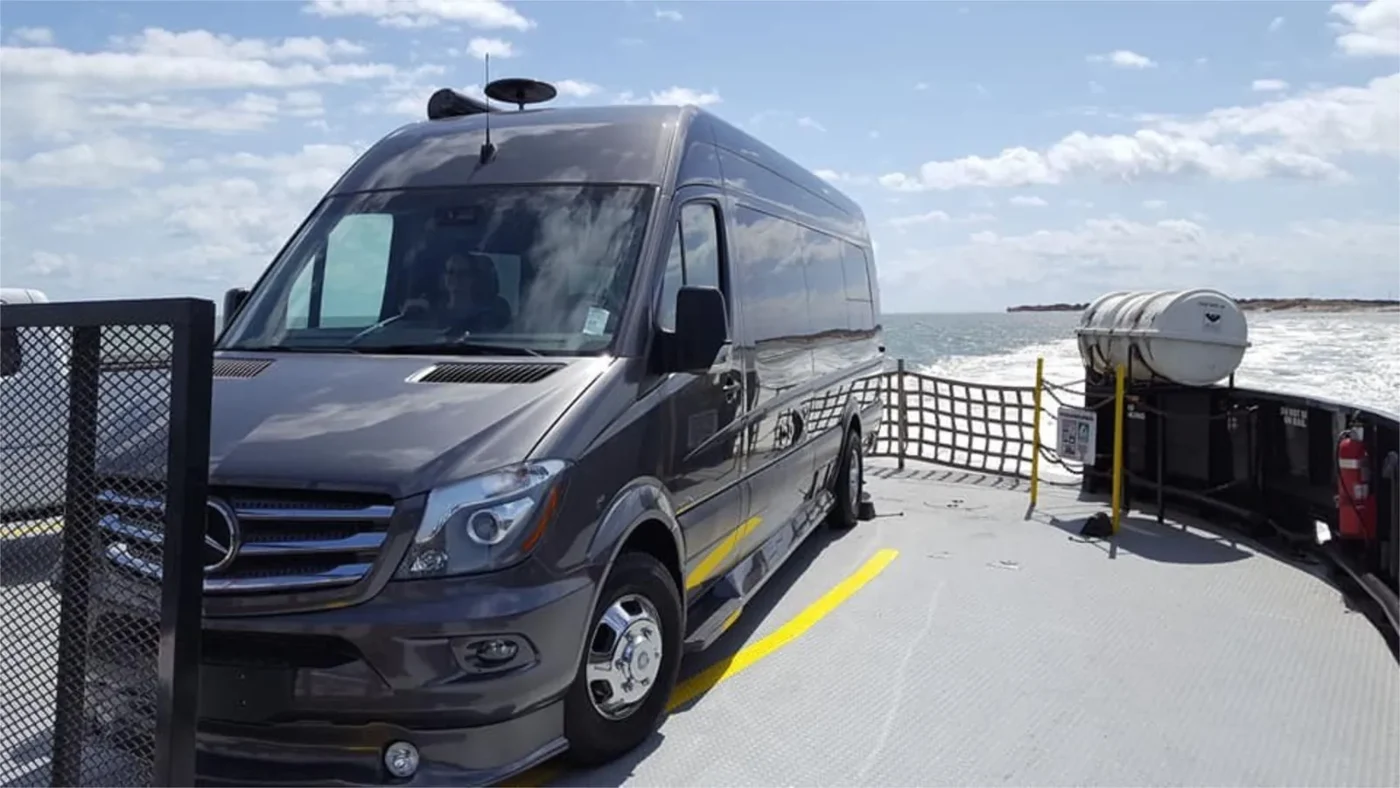
A Blue Ridge Parkway trip works better as a series of short scenic drives than as a promise to cover every mile. For a converted Sprinter, the key planning questions are which sections are open, whether every tunnel on the chosen section provides enough clearance, and where you will leave the road for the night.
Choose a base and a manageable stretch first. Add mileage only after checking the route in both directions.
Use the tunnel’s edge clearance, not the tall center
The NPS tunnel-height list distinguishes clearance at the edge of the roadway from clearance at its center. Those are different numbers. The park instructs drivers to stay in their lane and detour around a section if the minimum height does not provide enough room.
For example, Big Witch Tunnel at milepost 461.2 is listed at 11 feet 7 inches at the edge and 18 feet at the center. The larger number is not a usable clearance allowance for a tall van traveling in its lane. Compare each relevant minimum with the measured height of your finished conversion, including roof equipment.
Save the tunnel list and mark the mileposts on your planned segment. If you cannot establish adequate clearance, choose a different segment or an appropriate alternate road. Do not plan on crossing the center line to make the van fit.
Build the day from the current closure map
Read the official road status and closures page before choosing the day’s stops. Check it again close to departure. A saved itinerary or an old navigation route does not establish that the road is open.
Note where you can enter and exit the selected open section. Then inspect any alternate route for suitability to the van; a short-looking local road can be a poor detour for a long vehicle. Keep a backup day near your lodging in case the intended drive becomes unavailable.
Pick one base area rather than moving every night
For a first visit, consider a base near the northern Virginia portion, the Boone and Blowing Rock area, or Asheville, depending on the open sections you want to see. These are planning areas, not endorsements of a particular hotel or a guarantee that all nearby Parkway segments are accessible.
Look for lodging with confirmed outdoor parking, or a reservable campsite that matches the van’s equipment. Staying two nights lets you leave luggage in place and make a shorter scenic outing without combining check-out, a long drive and a late campground arrival.
Choose stops that leave room to maneuver
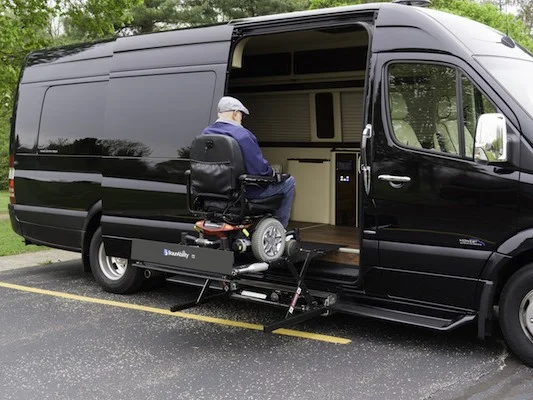
Do not enter a crowded overlook simply because another car pulls in. Check the available space and exit route first. Rear storage or a bike rack can make an otherwise familiar parking maneuver much tighter.
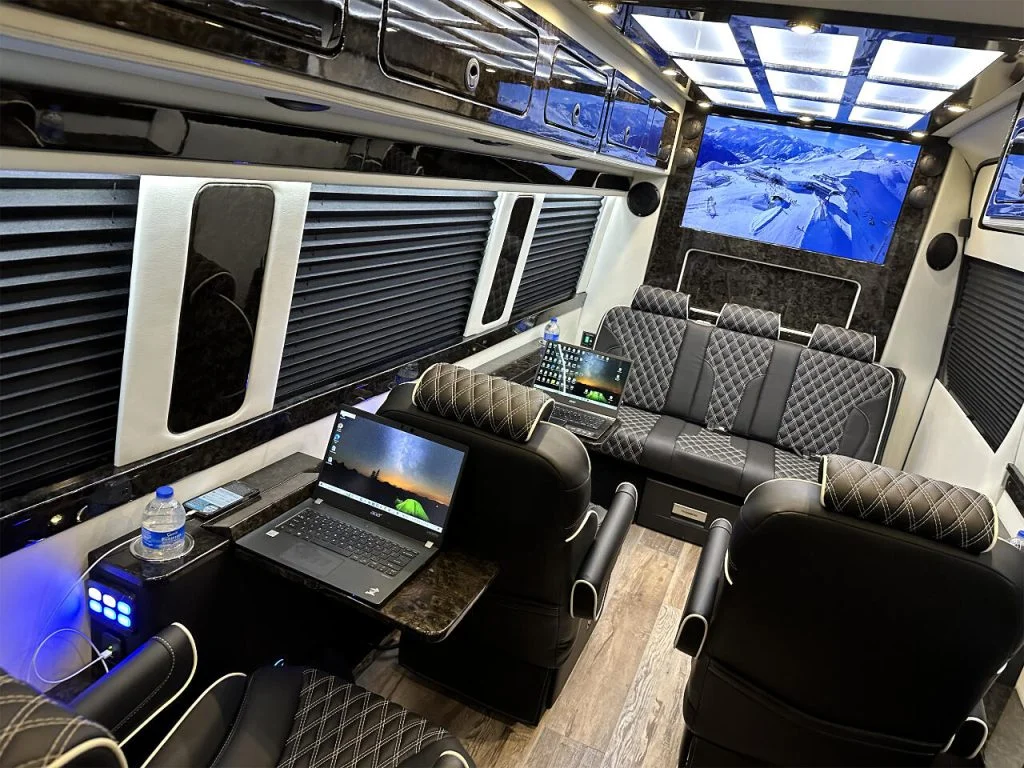
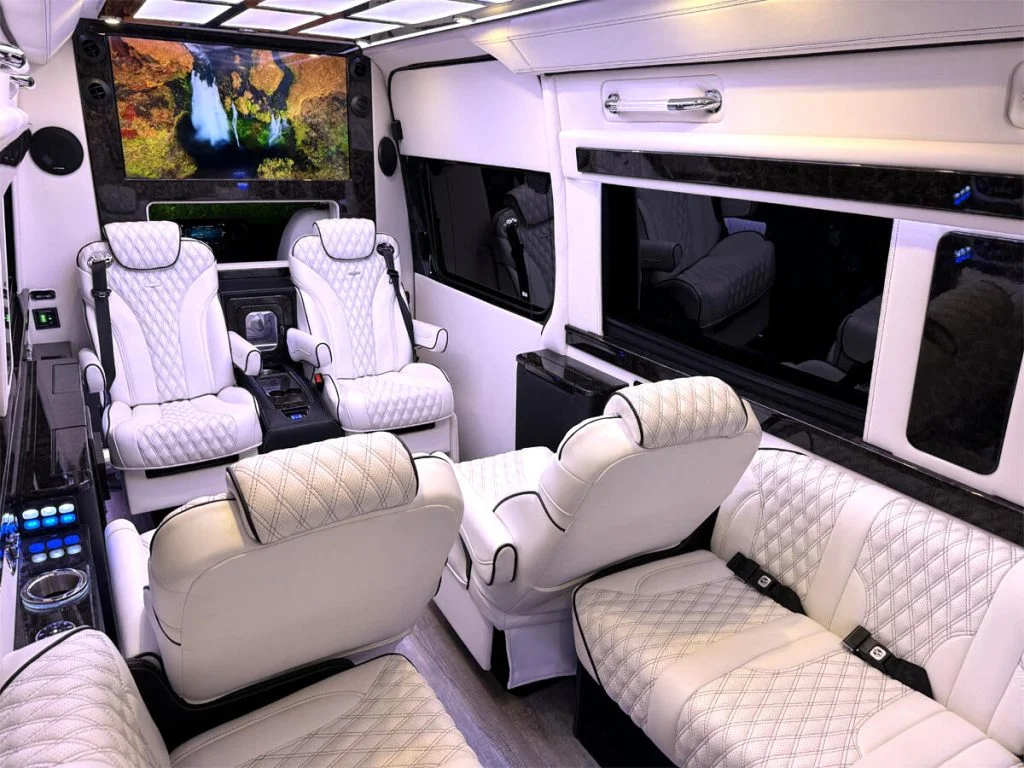
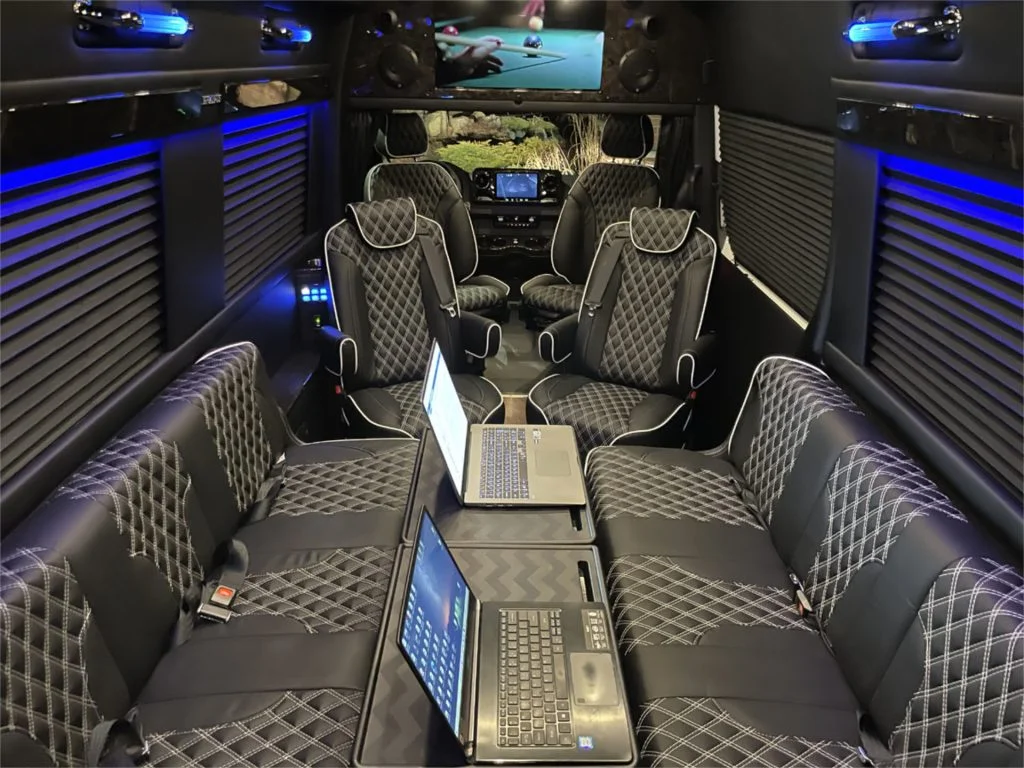
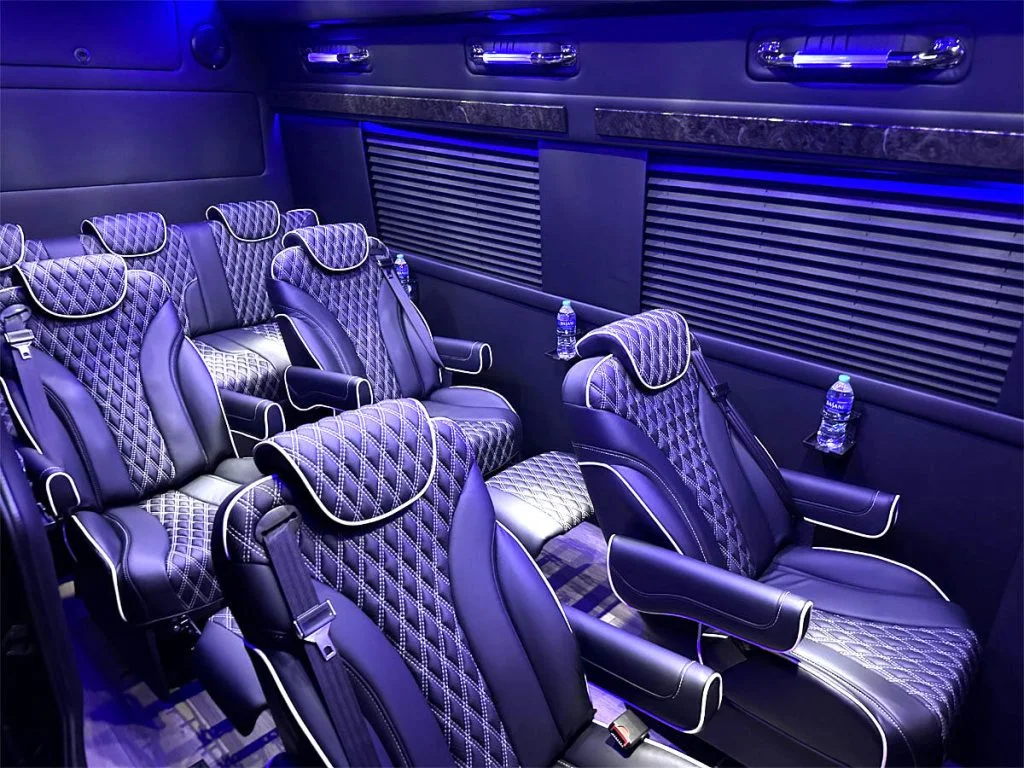
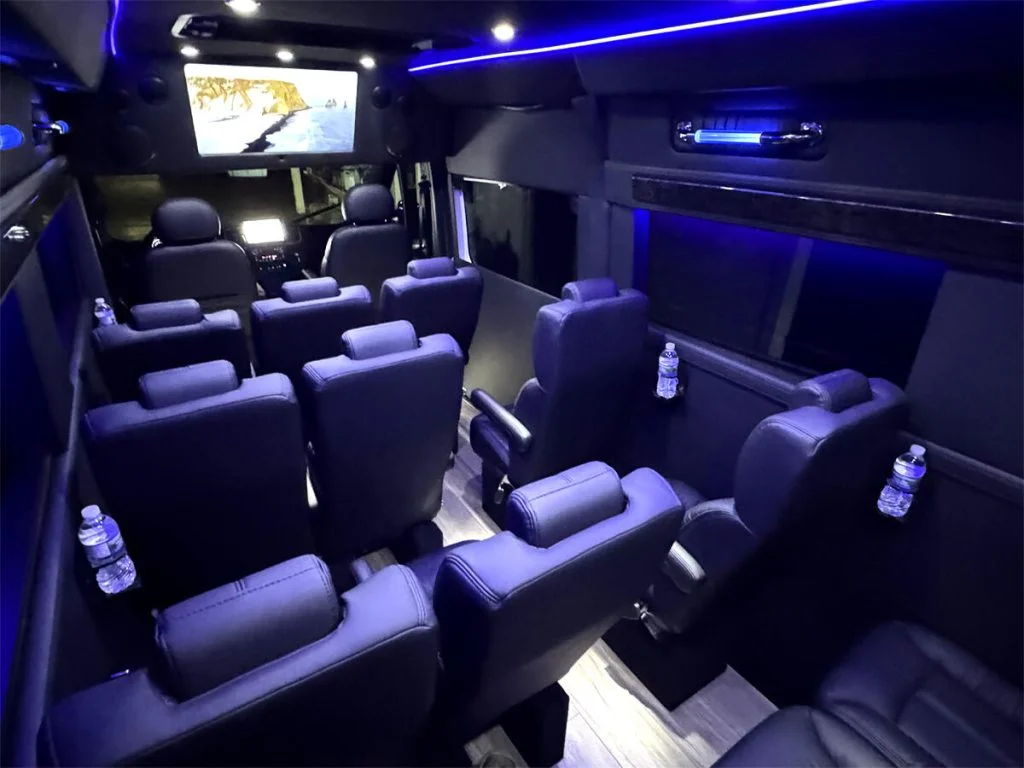
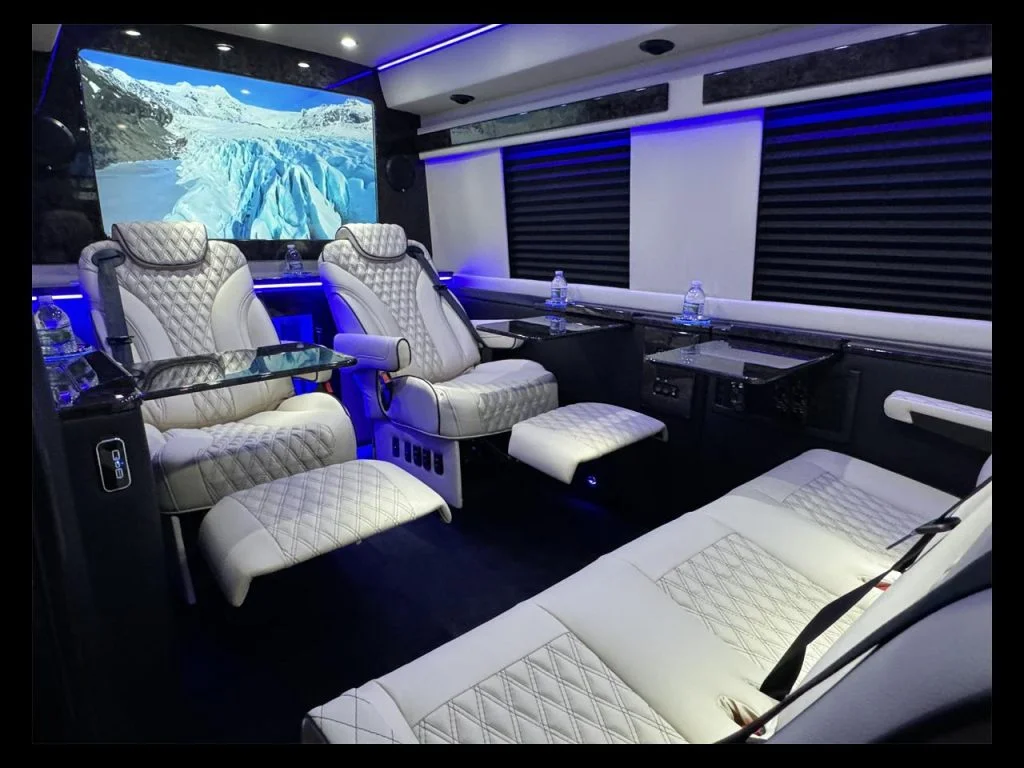
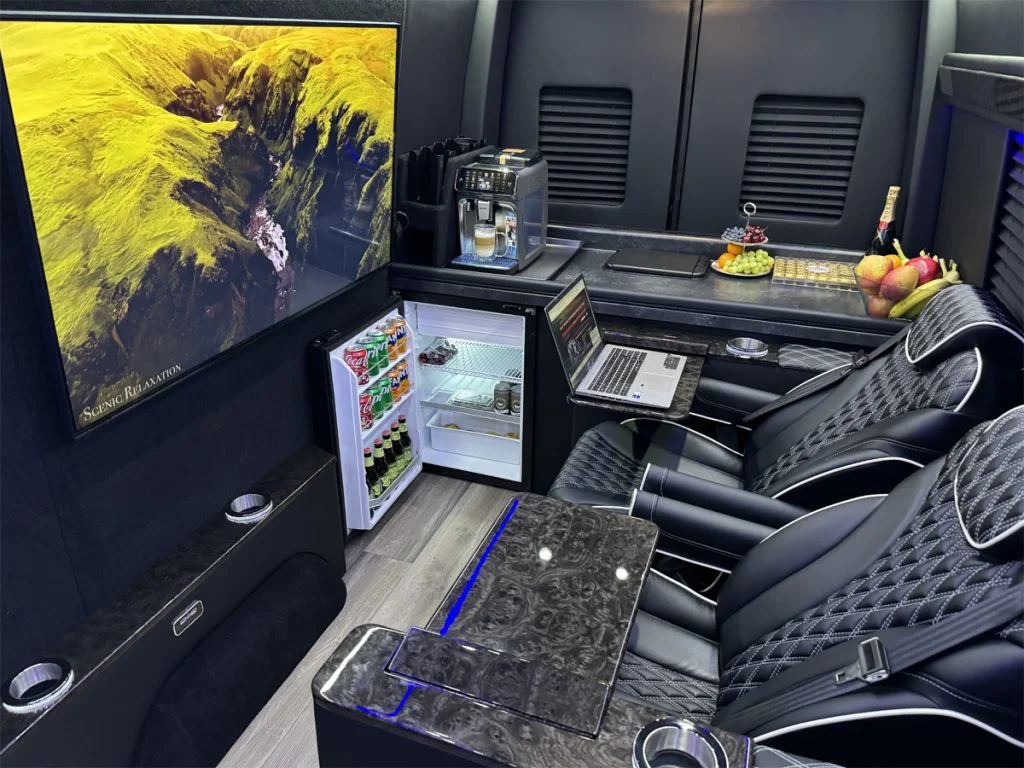
Keep loose cabin items secured between stops. A scenic drive still involves braking and cornering, and the lounge should be in its instructed travel configuration whenever the van moves. Allow time for a proper stop instead of treating the cabin as a moving picnic area.
Plan your services off the scenic route
Identify fuel, groceries and an overnight arrival point before starting the scenic section. Carry offline maps and the contact details for your accommodation. Avoid making your final fuel or water stop dependent on finding something open after the day runs late.
Check the overnight electrical service if rear cooling or other equipment needs shore power. For hotel stays, our Sprinter parking guide covers entrances and canopies as well as the space itself.
A useful first-day plan is one open section, a few suitable overlooks and a confirmed place to sleep. That gives you time to learn how the van handles the route while leaving room for the reason you came: getting out and seeing the mountains.
Source links appear beside the details they support. Equipment instructions apply to the named product; use your own van’s manuals. Destination conditions checked September 8, 2026.