

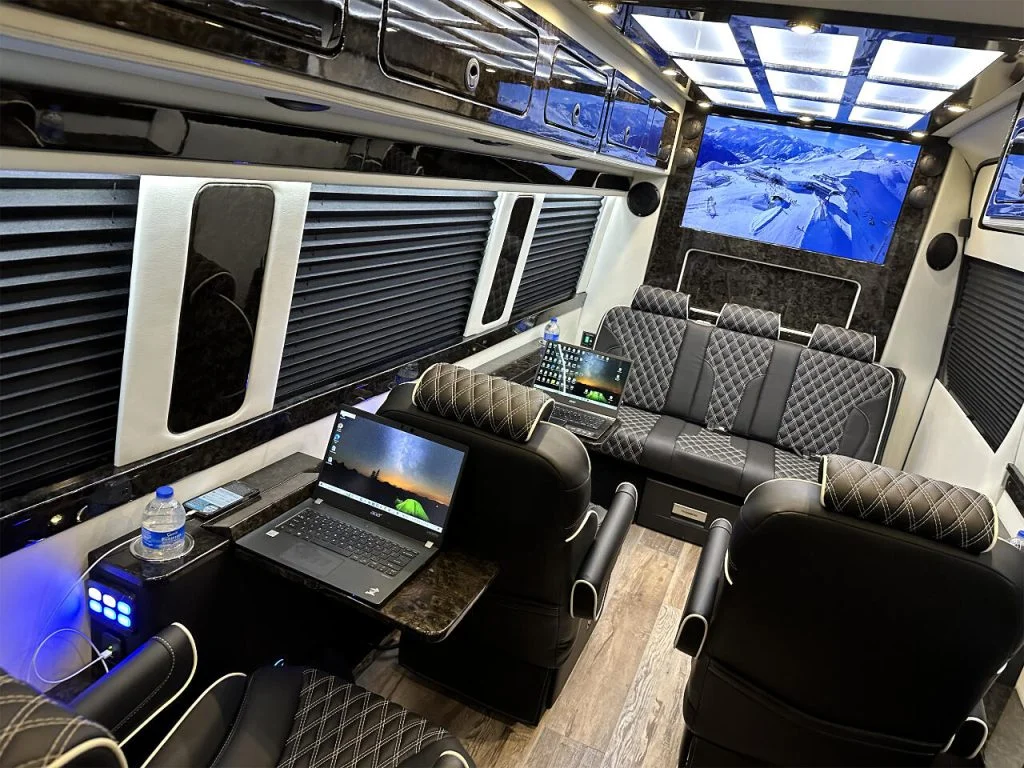
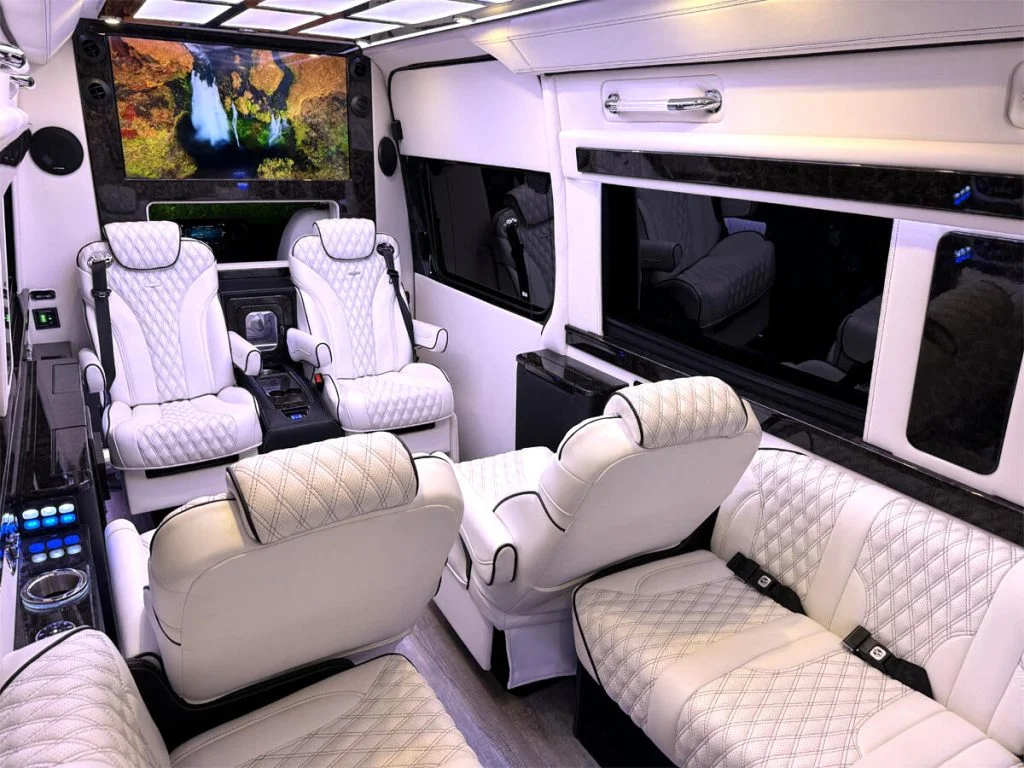
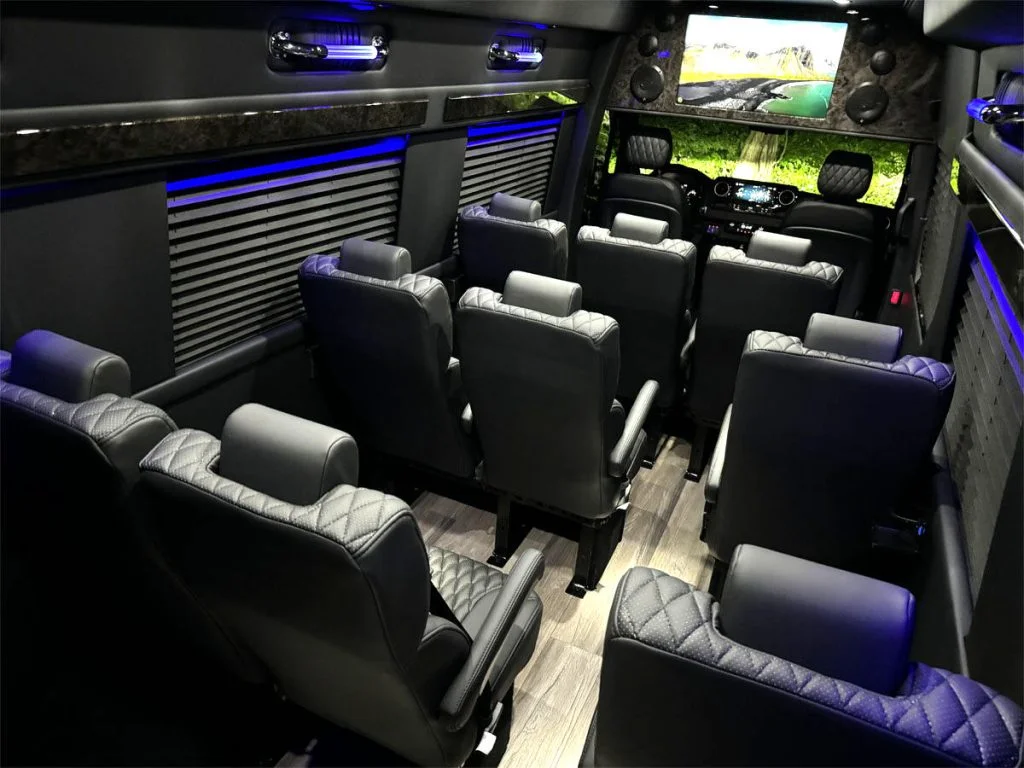
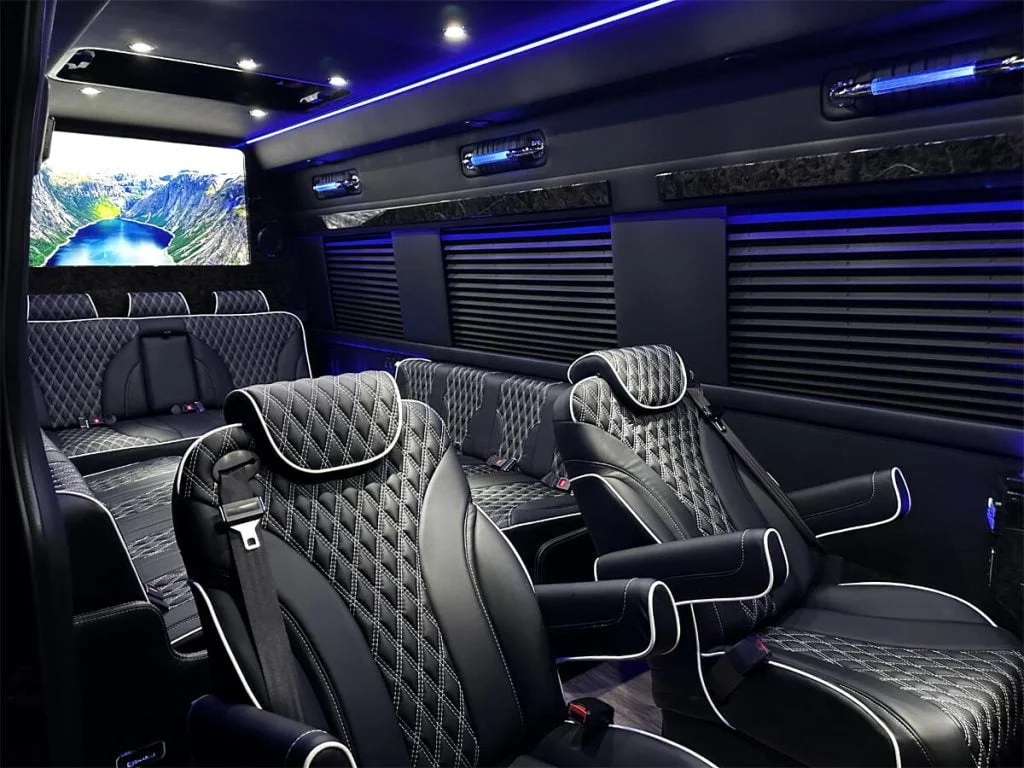
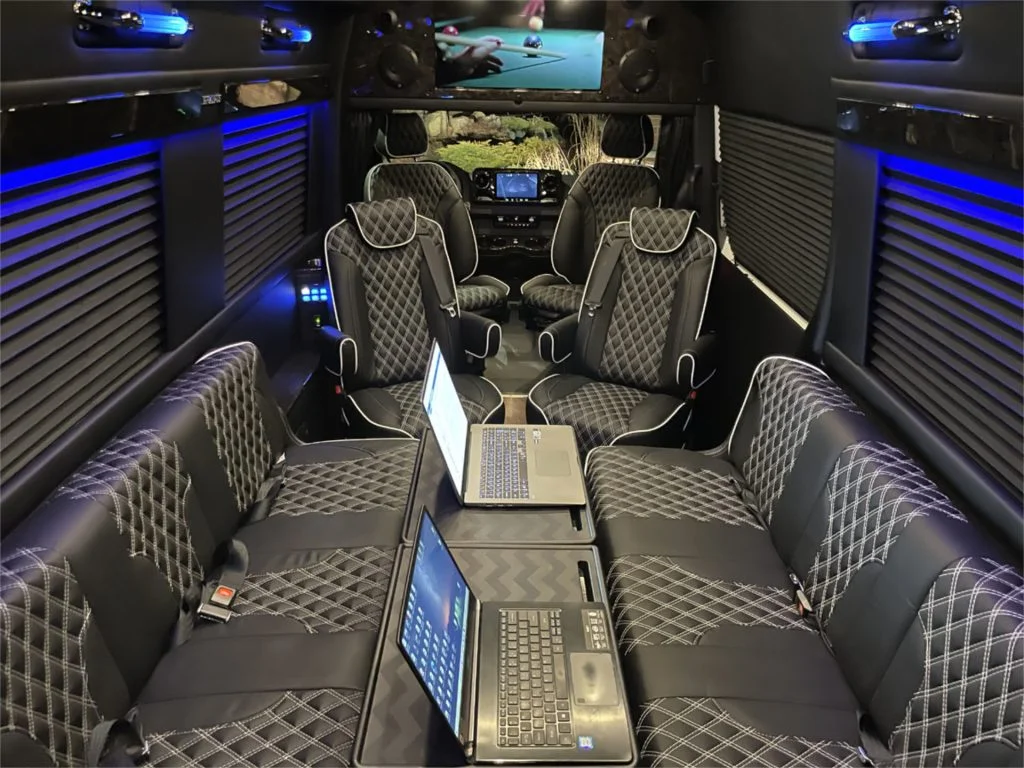
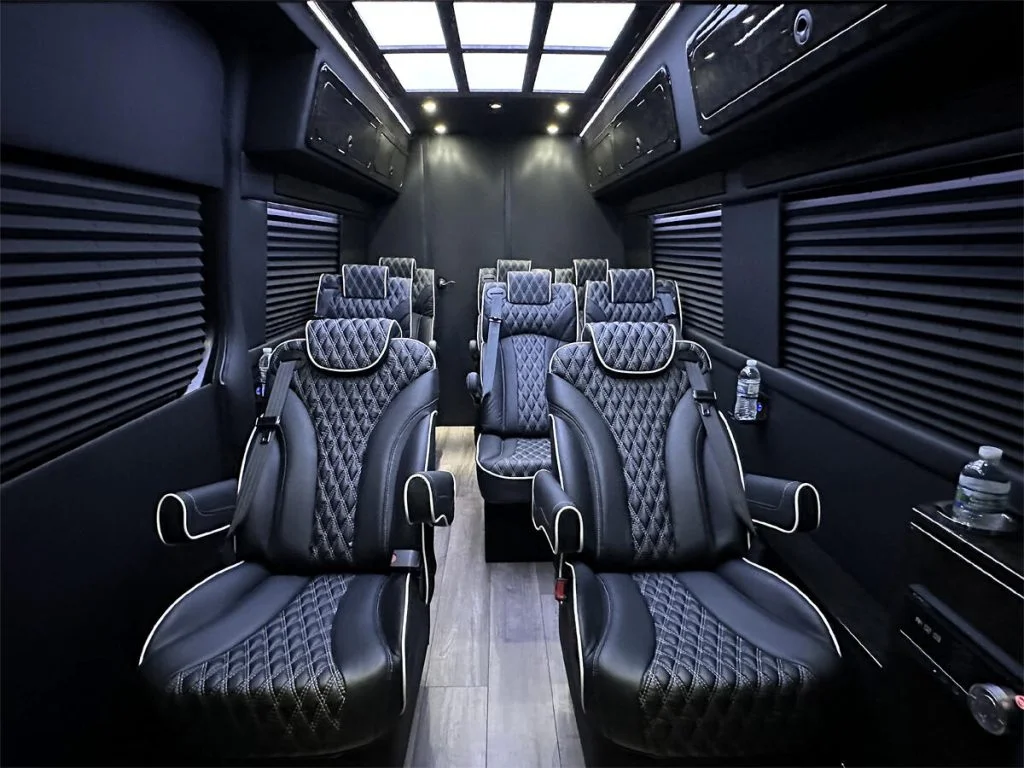
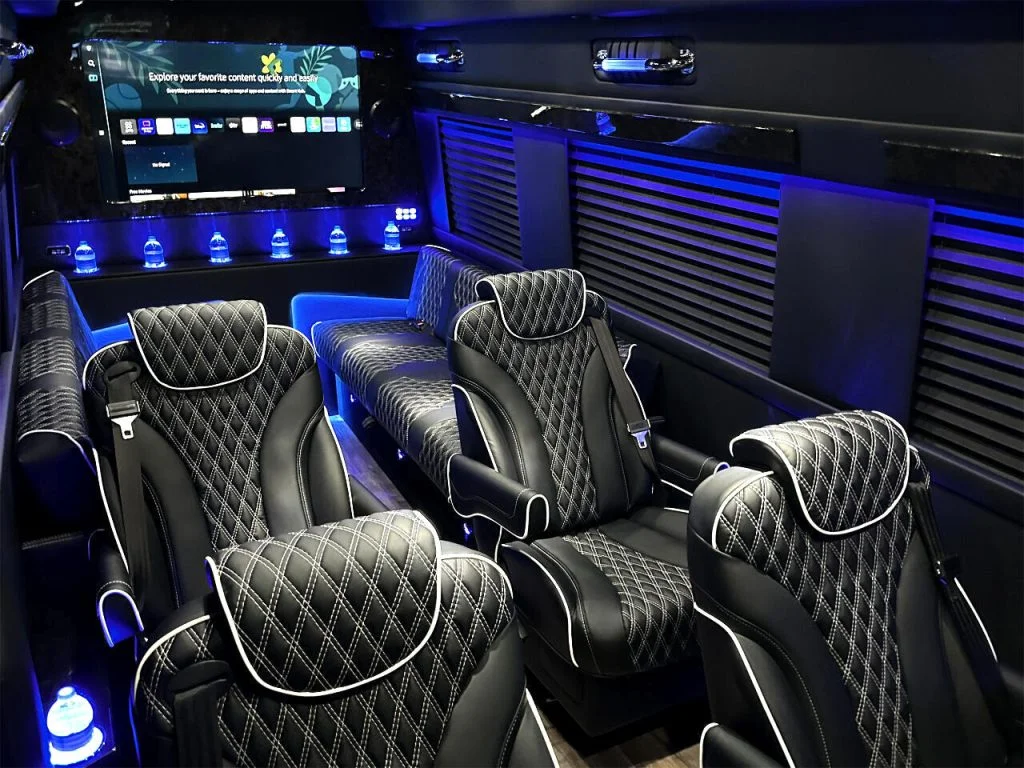
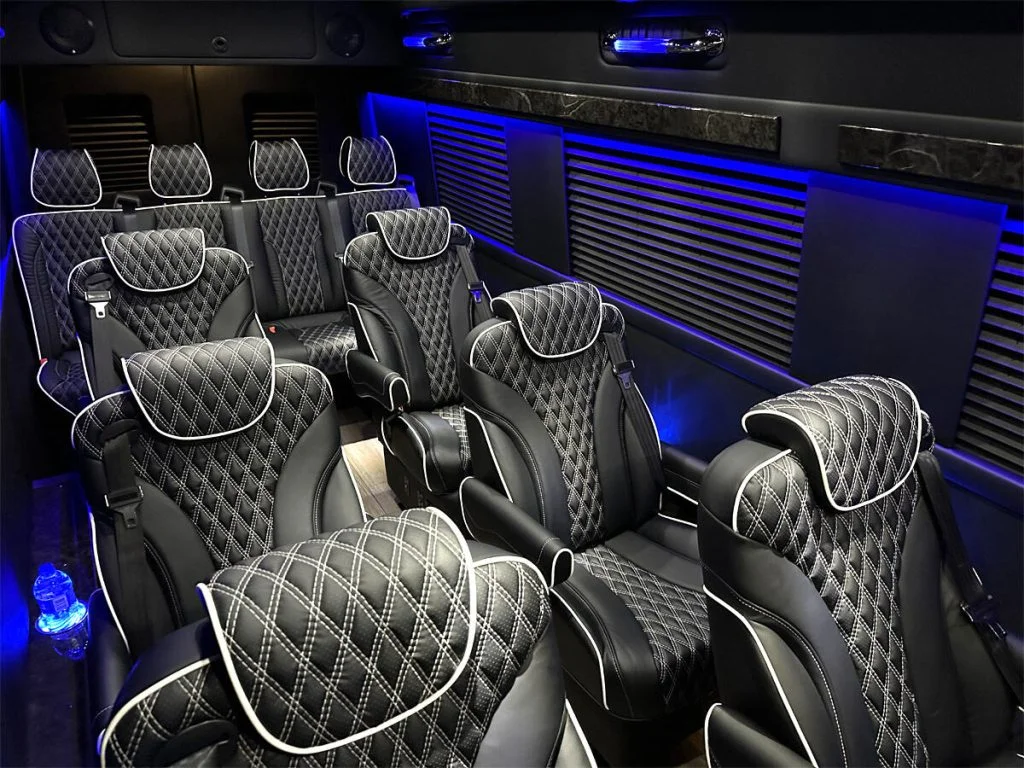
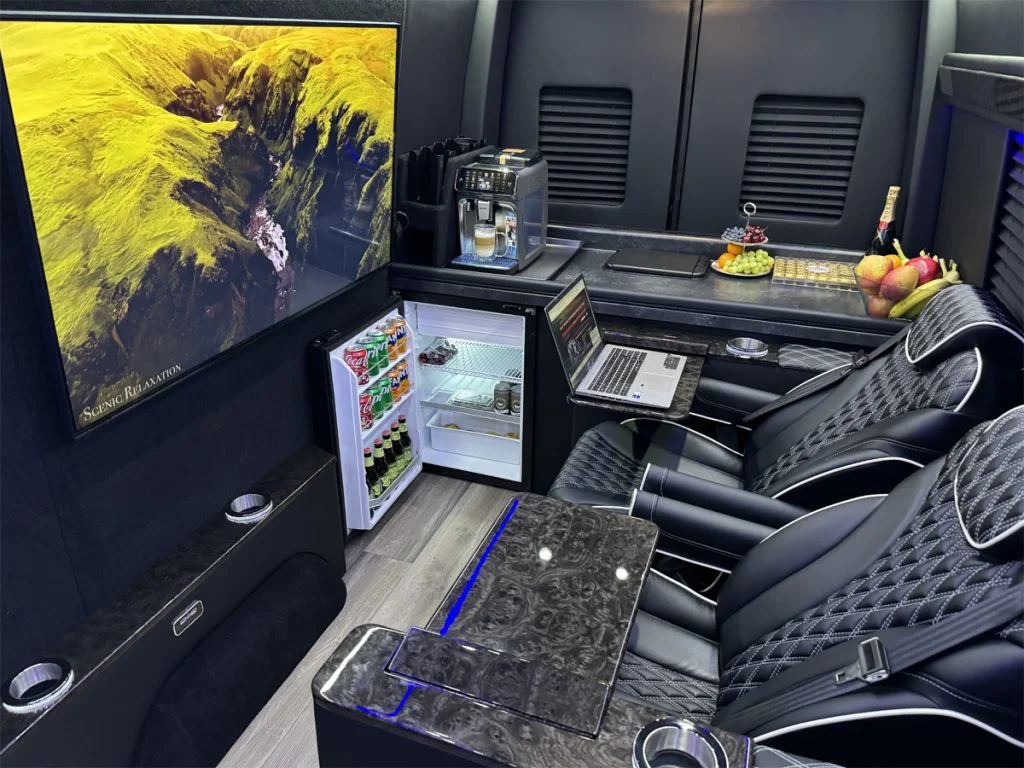
Cabin systems
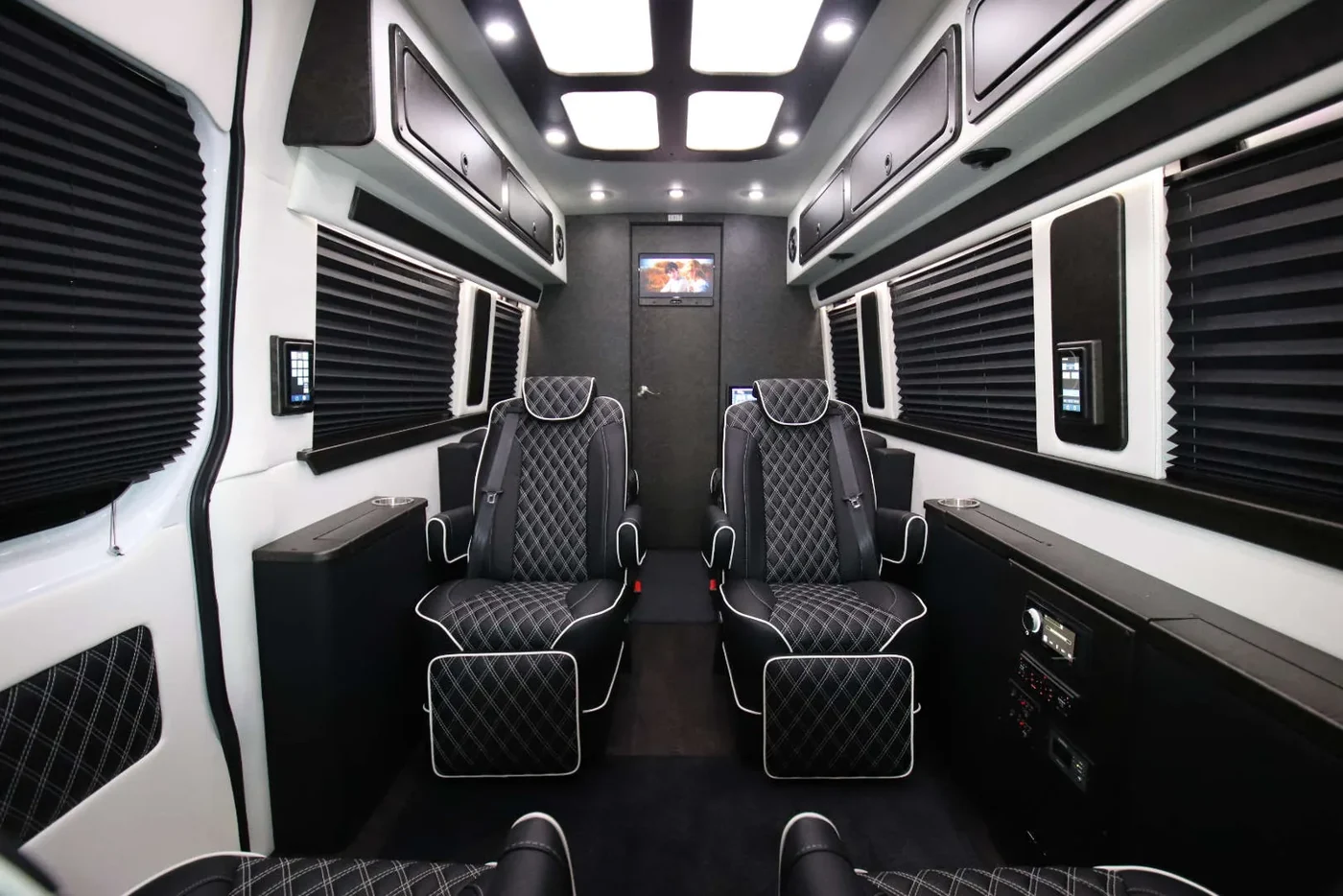
Some converted Sprinters can run their rear air conditioning from house batteries. Others need shore power or a generator, and a factory engine-driven air conditioner may not run with the engine off at all. The presence of lithium batteries does not answer the question.
To find your van’s answer, identify the air conditioner, the power path and the usable battery energy. Then test the system while you can still change your overnight plan.
Find out which air conditioner you have
Write down the make and model of the rear unit and ask the builder how it receives power. Distinguish the factory cab system from any auxiliary or rooftop unit. If a 120-volt unit runs through an inverter, the inverter must support both normal operation and any starting demand. Some systems use a different voltage or a dedicated arrangement.
An inverter’s power rating tells you what it can supply at a moment in time; battery capacity tells you how much energy is available. Victron’s inverter/charger guide explains this equipment’s role and why the system must be sized for the connected loads. Your installer must confirm compatibility for the equipment actually fitted.
Do the runtime calculation in watt-hours
Use watt-hours when comparing battery energy and appliance demand. Amp-hours alone leave out voltage. For example, a hypothetical 12.8-volt, 400-amp-hour bank stores 5,120 watt-hours nominally: 12.8 × 400. That is an arithmetic example, not an AutoElite equipment specification.
Suppose the owner chooses to use 80 percent of that energy, leaving a reserve, and assumes 90 percent inverter efficiency. About 3,686 watt-hours would reach the AC appliances. If air conditioning averaged 900 watts and other simultaneous AC loads averaged 100 watts, the simple estimate would be 3.7 hours. Any additional DC loads, inverter standby use or lower available battery capacity shorten it.
The chosen reserve and efficiency are assumptions, not recommended settings. Use the limits supplied by your battery manufacturer and installer. A larger battery bank may extend runtime, but it does not fix an undersized inverter or an incompatible air conditioner.
Measure an occupied evening, not a showroom minute
Pre-cool on a suitable external supply if the system permits, then follow the builder’s procedure for battery operation. Record starting charge, outdoor conditions, thermostat setting and the appliances in use. Run a supervised test under conditions similar to your trip, with an easy way to reconnect to power.
Check the monitor at intervals and record energy consumed, if it reports that figure. A compressor cycles, so a single low-power reading after the cabin cools can give a misleading overnight estimate. A hot van in afternoon sun and the same van after sunset are different tests.
Account for what happens the next morning
After cooling, you still need energy for the refrigerator, lights, water pump, devices or other installed systems. You also need a credible recharge plan. Solar output depends on weather, shading and the installation; alternator charging depends on the equipment and driving time. Neither is an unlimited supply.
Ask the builder how long a typical recharge takes from your available sources and how to verify that charging is actually happening. Do not assume the engine replenishes a heavily discharged house bank during a short breakfast drive.
Book power when cooling is essential
If your test cannot support the night with a sensible reserve, book a compatible electrical hookup. Confirm the site’s service and your van’s input requirements using our campsite checklist.
Do not leave a person or animal dependent on an unattended air conditioner. Batteries, shore supplies and equipment can fail. Runtime arithmetic helps plan a comfortable stay; it is not a life-safety guarantee.
Source links appear beside the details they support. Equipment instructions apply to the named product; use your own van’s manuals. Destination conditions checked September 8, 2026.