
















Everyday ownership
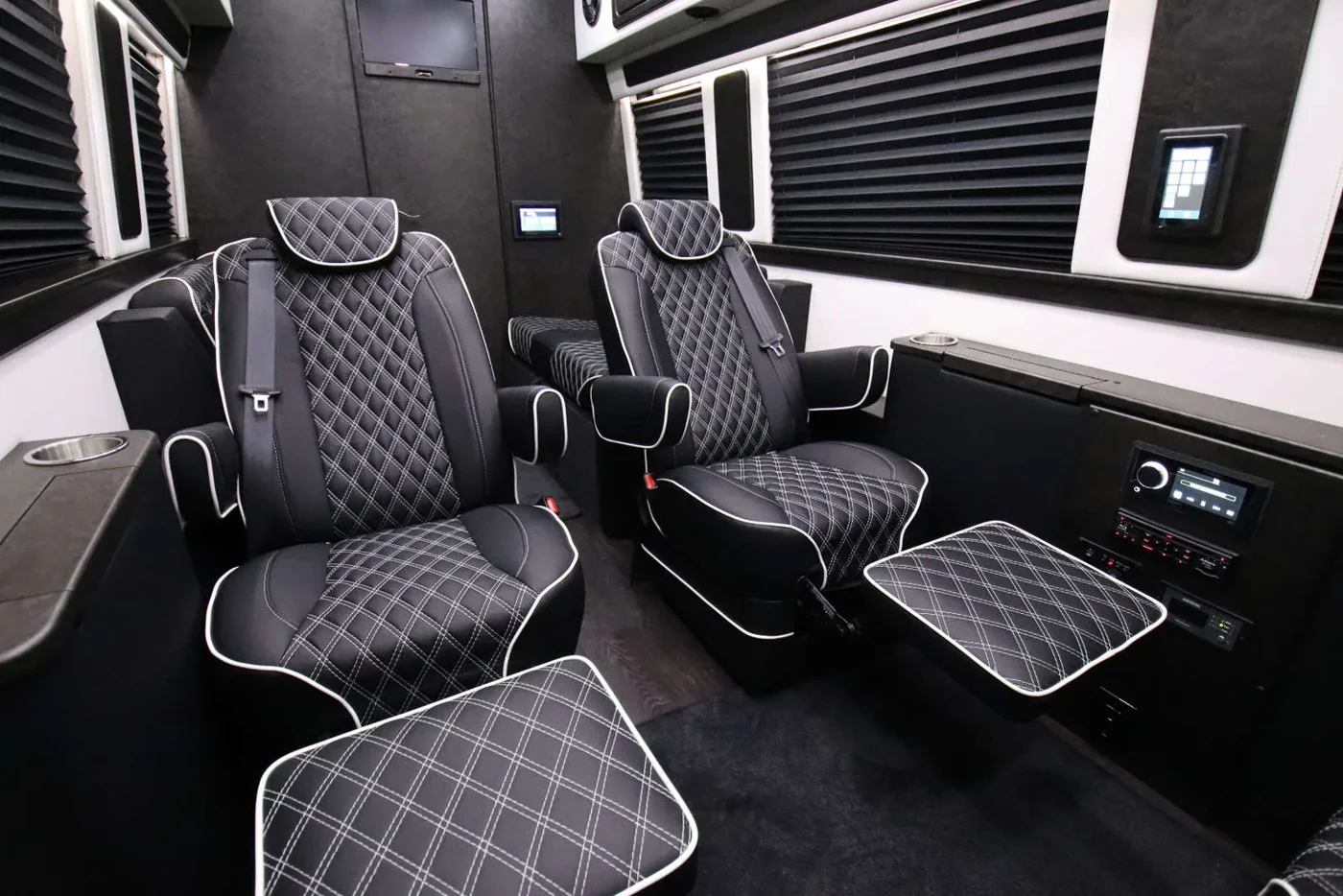
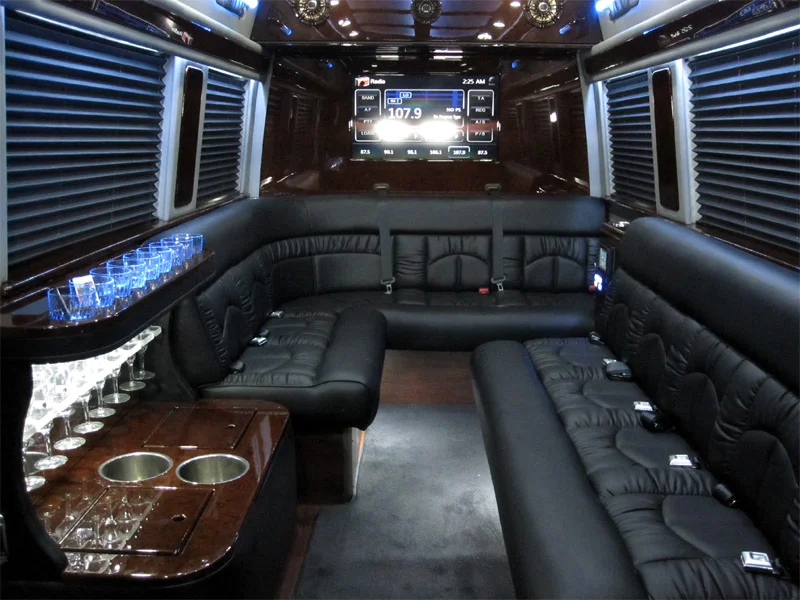
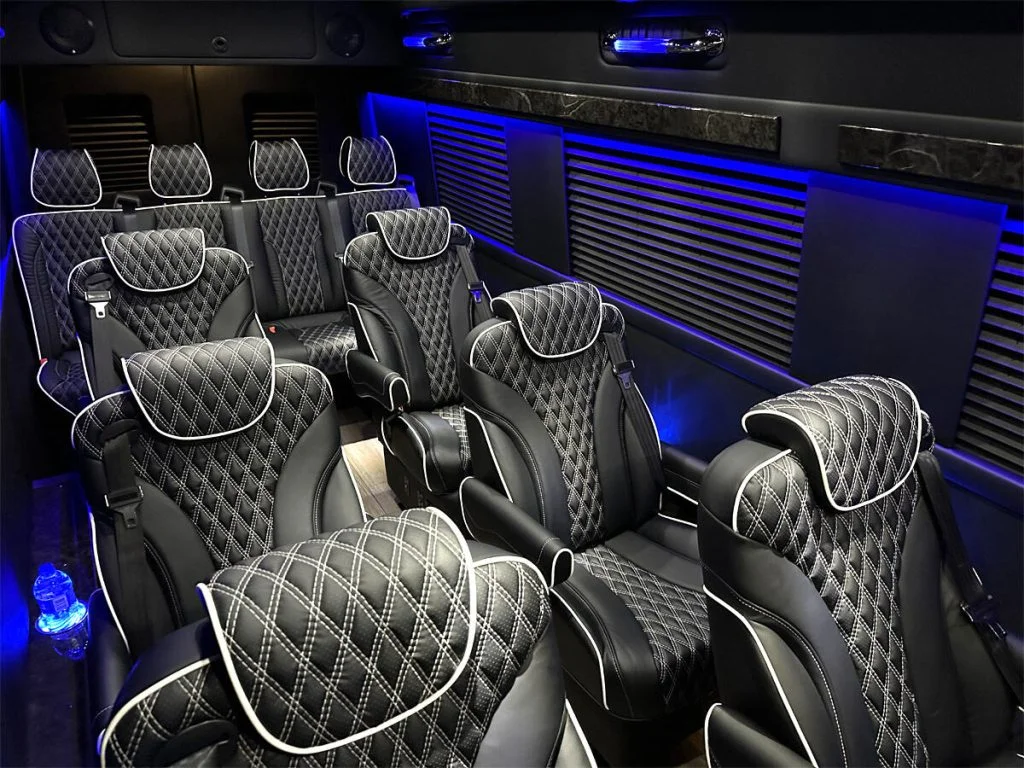
The seats in a luxury Sprinter may look like leather without being leather. A cabin can also mix coated leather, synthetic upholstery, vinyl trim, suede-like panels, glossy cabinetry and screens within arm’s reach. One bottle of “interior cleaner” is a poor match for that variety.
Start with the material list from the builder. Match each cleaning product to the actual surface before applying it, particularly on pale upholstery and perforated seats.
Ask for the upholstery name, not its marketing description
Record the manufacturer and collection or material code for the seats and trim. “Premium leather seating” may not identify every surface in the cabin. Ask which panels differ from the seating face and whether any special finishes require separate care.
Save the care sheet with your vehicle documents. For example, Ultrafabrics’ published cleaning guidance emphasizes routine cleaning and removing residue with clean water before drying. That is guidance for its materials, not permission to use the same treatment on unidentified upholstery. Obtain the current instructions for the particular collection fitted to your van.
Remove loose grit before wiping
With the vehicle parked, lift removable mats and use a soft vacuum attachment around seams, seat tracks and floor edges. Keep the nozzle off delicate trim. Sand on a cloth can scratch a finish as you wipe it.
Use separate clean cloths for seats, floor areas and glass. Test an approved product in a discreet location first and let the area dry so you can inspect the result. Apply liquids as the surface manufacturer instructs; do not spray them into switches, seat mechanisms, perforations or seams.
Handle a spill before it becomes a bigger cleaning job
Blot a fresh spill with a clean absorbent cloth rather than spreading it across adjacent panels. Remove any solids gently. Check the material’s stain instructions before moving to a cleaner. If a stain remains, photograph it and ask the builder or material supplier what to use next.
Do not improvise with a household solvent, abrasive pad or a cleaning recipe intended for a different material. Repeated aggressive cleaning can turn a small stain into a finish repair. Dye transfer from clothing also needs material-specific advice; conditioning the seat is not automatically the answer.
Clean screens and cabinetry as separate surfaces
Turn displays off and follow the screen maker’s cleaning instructions. A glass cleaner suitable for windows may damage a display coating. Keep moisture away from panel edges and controls.
For cabinetry, ask whether the finish is laminate, veneer, painted material or another coating. Wipe in a way that avoids forcing liquid into joints. Check cup holders and table edges for residue, then dry the area. Open and close each latch after cleaning to make sure nothing obstructs it.
Keep the floor safe for passengers
Vacuum debris from the entrance and step area, clean with a finish-approved product and allow everything to dry before travel. Avoid dressings that leave a slippery surface on floors, steps, pedals or grab points. Reinstall mats so they stay secured and cannot interfere with pedals or seat movement.
After a beach trip, spend extra time removing sand at the doorway and under loose mats. After wet weather, take damp items out instead of closing them inside a warm van.
Build a small kit you will actually use
Carry clean microfiber cloths, an absorbent towel, small waste bags and only the cleaners approved for your cabin. Label the bottles by surface and keep them secured, away from food. Keep the care sheet accessible to anyone who details the van.
If you use a professional detailer, send the material list before the appointment and agree on the products. Our handover checklist helps you request these records when collecting a new conversion.
Source links appear beside the details they support. Equipment instructions apply to the named product; use your own van’s manuals. Destination conditions checked September 8, 2026.