

Destinations
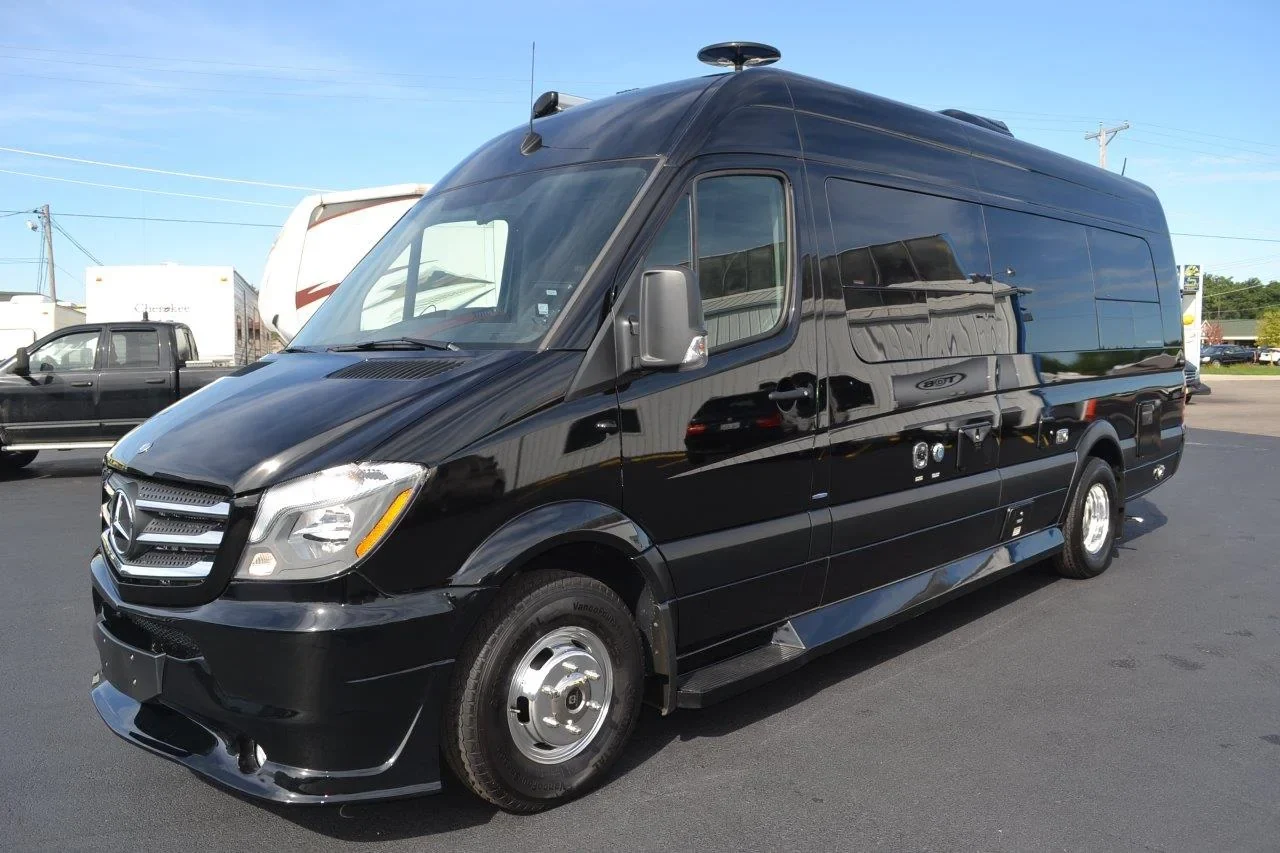
A Sprinter can make a Joshua Tree camping trip comfortable, provided the overnight plan matches the campground and the van. Start with a site that fits the completed vehicle, then work through water, electrical needs and the forecast for the actual camping location. The daytime appeal of the desert should not be the only factor in choosing where to sleep.
This guide is a planning checklist for an overnight visit, not a promise of campsite availability. Check the park’s current notices and the individual reservation listing before committing to dates.
Reserve a site that fits the whole vehicle
The NPS campground guide directs visitors to Recreation.gov for reservation sites and says to check each site’s maximum vehicle length. Measure your completed Sprinter with any rear carrier, and use the overall combination length if towing. Do not squeeze a longer vehicle into a shorter listed space.
Save the site number, parking description and booking confirmation. Look for the details that matter to your setup: parking orientation, access to the sliding door and room to use the permitted campsite area. If an important point is unclear, ask before booking instead of assuming the campground’s general RV description covers it.
Take special care with group-site labels. The Cottonwood campground page distinguishes individual sites from group sites and says RVs and habitable trailers are prohibited in its group campsites. A larger group booking is not automatically a better place for a larger vehicle.
Plan around the facilities that actually exist
NPS lists RV water-fill and dump facilities at Black Rock and Cottonwood. Its Cottonwood information also states that Joshua Tree campgrounds have no RV hookups. Shared service facilities and a connection at your own campsite are different things; plan the van’s stay accordingly.
Before choosing the number of nights, list the activities your supplies must support: meals, drinking water, washing, refrigeration, lights and cabin comfort. Use the water-planning guide to organize refill needs, then identify the actual service stops along your route. Confirm current facility availability shortly before leaving.
If your trip depends on continuous shore power, compare an appropriate campground outside the park instead of booking an in-park site and hoping to solve the electrical question on arrival. Evaluate your own installed systems and demonstrated runtime. A battery display showing a high charge at departure is not an overnight equipment test.
Prepare for the night, not just the afternoon
The park’s basic visitor information describes the need to arrive prepared, with supplies and limited cellular reception in mind. Its seasonal weather information includes freezing winter nights. Check the forecast for your campsite area rather than relying on a general impression of Southern California weather.
Try your parked-cabin heating routine before travel, with bedding and luggage in their usual places. Confirm the installed system’s supplies and operating limits with the converter. Decide what you will do if the expected conditions exceed the van’s demonstrated capability or if a necessary system is unavailable.
Pack so that the first evening is simple: lights accessible, warm layers easy to reach and a meal that does not require unpacking the entire cabin. Allow enough arrival time to orient yourself before darkness. The bed-and-luggage test is useful preparation for that first campsite setup.
Keep navigation and booking details offline
Download the relevant maps and reservation details before entering areas with limited reception. Give another traveler access to the information too, rather than relying on one phone’s battery or one account login. Keep a written site number and the correct campground destination available to the driver.
Plan fuel, groceries and other supplies before arrival: NPS says those services are not available inside the park. Mark a suitable stop on the approach and a fallback if you are delayed. A travel day goes more smoothly when the final errand is not dependent on finding an unplanned shop near the campsite.
Have an overnight alternative before you need it
Review current park alerts close to departure. Keep a confirmed alternative if your intended campsite becomes unavailable or the forecast changes your plans. NPS allows sleeping in a vehicle at a lawfully occupied designated campsite, not at a roadside pullout or trailhead.
Choose the alternative for the same practical reasons as the original booking: vehicle fit, required utilities and a workable arrival time. With those decisions made, you can spend the visit enjoying the park rather than searching after dark for somewhere your van can stay.
Sources checked November 12, 2026. Recheck current travel conditions and the equipment, labels and manuals for your specific completed vehicle.