


Buying & ownership
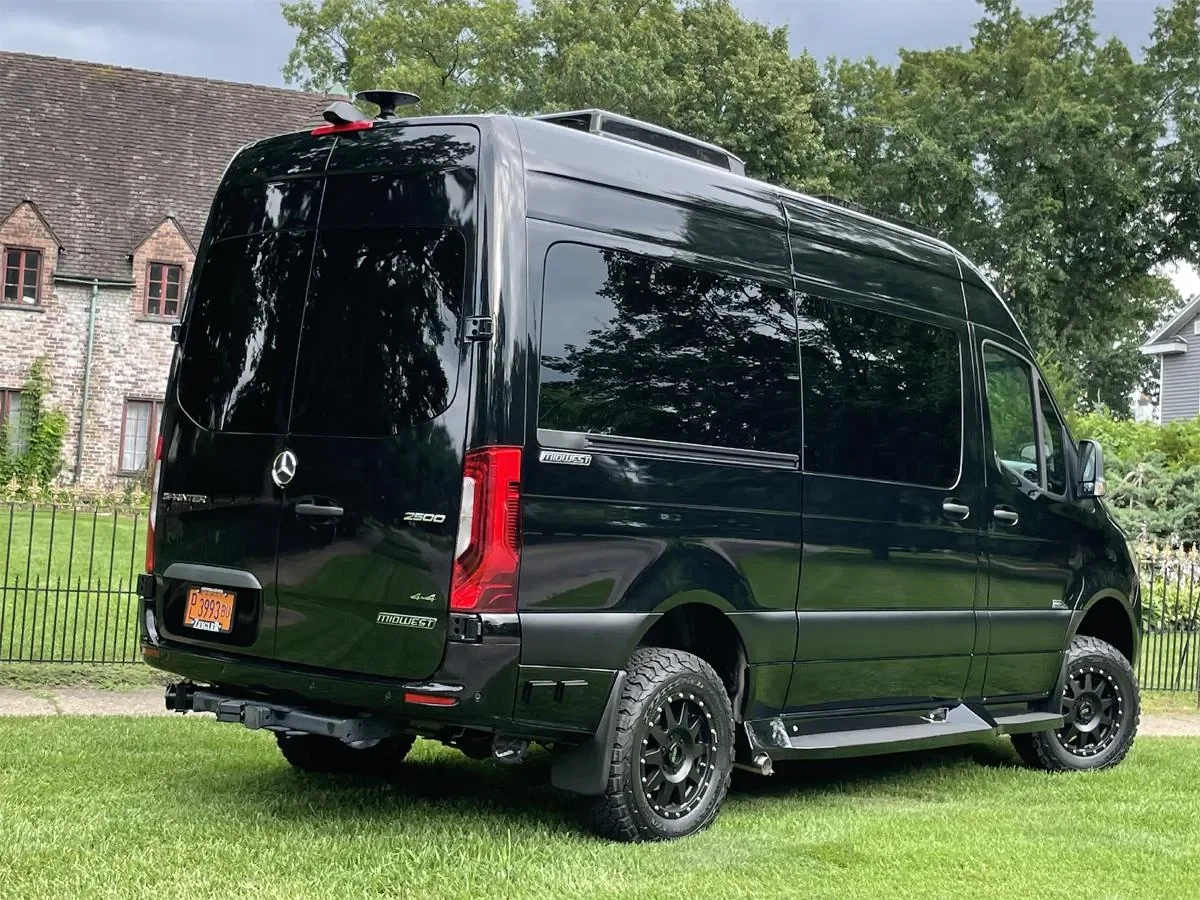
A boat, small cargo trailer or other towable can change what you need from a luxury Sprinter. Before buying the van or adding a hitch, have the completed conversion and the intended trailer reviewed as one combination. A headline towing figure for a Sprinter range does not establish the limit for every finished vehicle.
Bring the trailer details into the conversation early. A seller can answer a much more useful question with the trailer model and realistic loaded weight than with “Can it tow something this size?”
Start with the completed vehicle’s documents
Collect the VIN, chassis model year, vehicle labels and conversion build information. Ask the seller to identify the applicable towing and loading limits in writing, along with any restrictions introduced by the conversion or the installed hitch. If the paperwork is incomplete, resolve that before treating towing as an included capability.
The Mercedes-Benz owner-manual library is a starting point for the correct year’s chassis instructions. It does not replace the converter’s documentation or an inspection of the equipment actually fitted to a used van. Keep each source attached to the vehicle it describes; a similar-looking model in a listing is not a substitute.
Bring loaded weights, not just empty specifications
Prepare a realistic description of the trip: people in the van, luggage, water, accessories and what goes on or inside the trailer. Include the trailer itself. Ask a qualified towing specialist how to obtain the loaded vehicle, axle, trailer and tongue-load measurements needed for the review.
Virginia DWR’s towing-weight explanation distinguishes vehicle loading from the combined load and explains that trailer tongue weight counts against the tow vehicle’s payload. In a furnished conversion, that makes the remaining load allowance an essential part of the discussion, even when the trailer is below an advertised towing maximum.
Use the Sprinter payload guide to prepare the van’s packing list. Then have the towing review reconcile all applicable limits rather than stopping when one number passes. Do not calculate an unknown manufacturer rating from a rule of thumb or assume a larger receiver raises the vehicle’s rating.
Give the reviewer a clear worksheet
A simple document can prevent the same missing information from resurfacing at every appointment. Leave unknown values blank and mark who will verify them. Record the date and source beside each confirmed item.
- Vehicle: VIN, completed build, applicable vehicle and axle ratings.
- Combination: the manufacturer’s combined-weight and trailer limits for this vehicle.
- Measured loading: the travel-ready van, axle loads, loaded trailer and tongue load.
- Connection: hitch, mount, ball and coupler identification and their applicable limits.
- Trailer equipment: braking, breakaway, wiring and lighting arrangements to be checked.
- Open questions: missing documents, required work and who will sign off on it.
This worksheet organizes a professional review; it is not a towing approval or a do-it-yourself installation specification. Ask the reviewer to explain any limiting component and what evidence would be needed to resolve an uncertainty.
Check the physical arrangement as well as the figures
Have the combination inspected for the intended use. Discuss access to rear doors, steps, storage and service points when the trailer is attached. Identify any carrier, extension or other accessory you intend to keep fitted so it is included in the assessment from the beginning.
Ask for a demonstration of the approved connection and disconnection procedure, electrical checks and brake-control operation where applicable. Learn where the instructions and inspection records will live. If you are new to towing, arrange suitable instruction before making a busy road or a tight campsite your first practice session.
A vehicle inspection cannot answer every trip question. Check the requirements for the roads and destinations you intend to use, and ask the relevant authority about any uncertainty. Rules can depend on the vehicle, trailer and location; this guide does not provide a universal legal checklist.
Include the trailer in the travel plan
Measure the finished combination and use those dimensions for reservations. Discuss whether you will remain connected overnight, where maneuvering space is available and how parking works at intermediate stops. A site that fits the van alone may not suit the full arrangement.
Revisit your ferry booking and toll-account details if towing changes the equipment you will bring. The useful result is a documented, inspected combination and a trip that accommodates it—not simply a hitch added to the purchase order.
Sources checked November 12, 2026. Recheck current travel conditions and the equipment, labels and manuals for your specific completed vehicle.