

Cabin systems
A warm cabin during a test drive does not tell you how a Sprinter conversion will feel after it has been parked for several hours. Before a cold-weather trip, find out which system heats the living space with the engine off, what it needs to operate and how it behaves with your normal sleeping layout in place.
The aim is a demonstrated routine for the completed vehicle. A heater’s brand name, a thermostat photograph or the phrase “four-season” is not enough to establish overnight performance.
Identify the heater fitted to this van
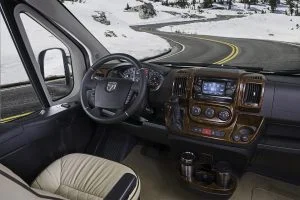
Ask the seller or converter to show you the appliance label, exact model and operating manual. Distinguish the vehicle’s dashboard climate controls from the conversion’s parked-cabin heating controls. If one panel operates several systems, have each relevant screen explained rather than assuming that a temperature setting always requests cabin heat.
Make a short equipment record with the model, fuel source, electrical supply and service contact. Note where the operating instructions are stored and keep an offline copy. The Mercedes-Benz manual library provides chassis-year documents; the converter should also supply instructions for the equipment added to the cabin.
Ask about fuel and electricity separately
A fuel-fired appliance can still draw electrical power. For example, Truma’s Combi eco specifications list propane as the energy source and also specify 12-volt DC power consumption. That is an example of why both supplies matter, not a claim that this appliance is installed in an AutoElite vehicle.
For your own heater, ask what supplies must remain on and how their condition is monitored. Which battery powers it? How do you check the available fuel? Does the selected mode require shore power? What happens if a supply becomes insufficient? Have the answers tied to the installed model, including any restrictions for temperature or altitude.
Do not turn a maximum electrical rating or a fuel-capacity figure into an overnight runtime promise. Ask for a practical demonstration and record the conditions. Include the refrigerator, lights and other normal loads in the discussion so the heater is not assessed as though it were the only appliance in use.
Try the cabin in its overnight arrangement
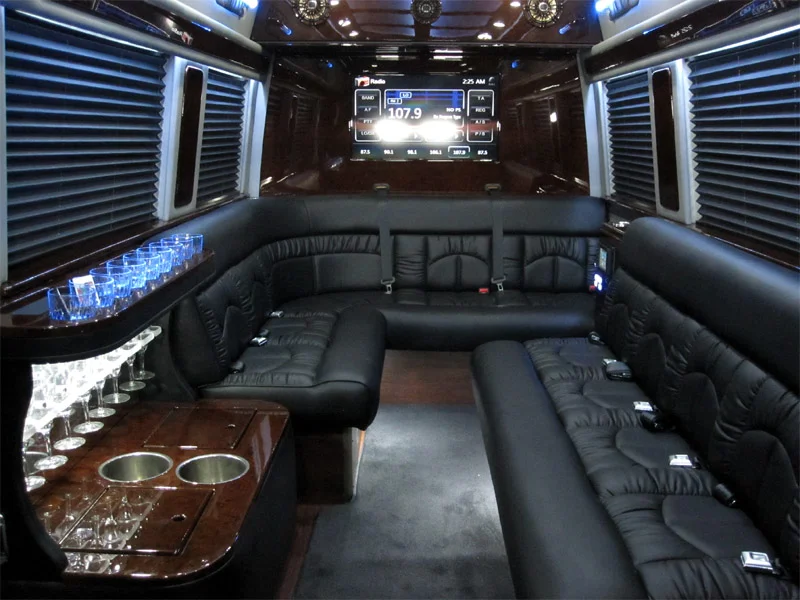
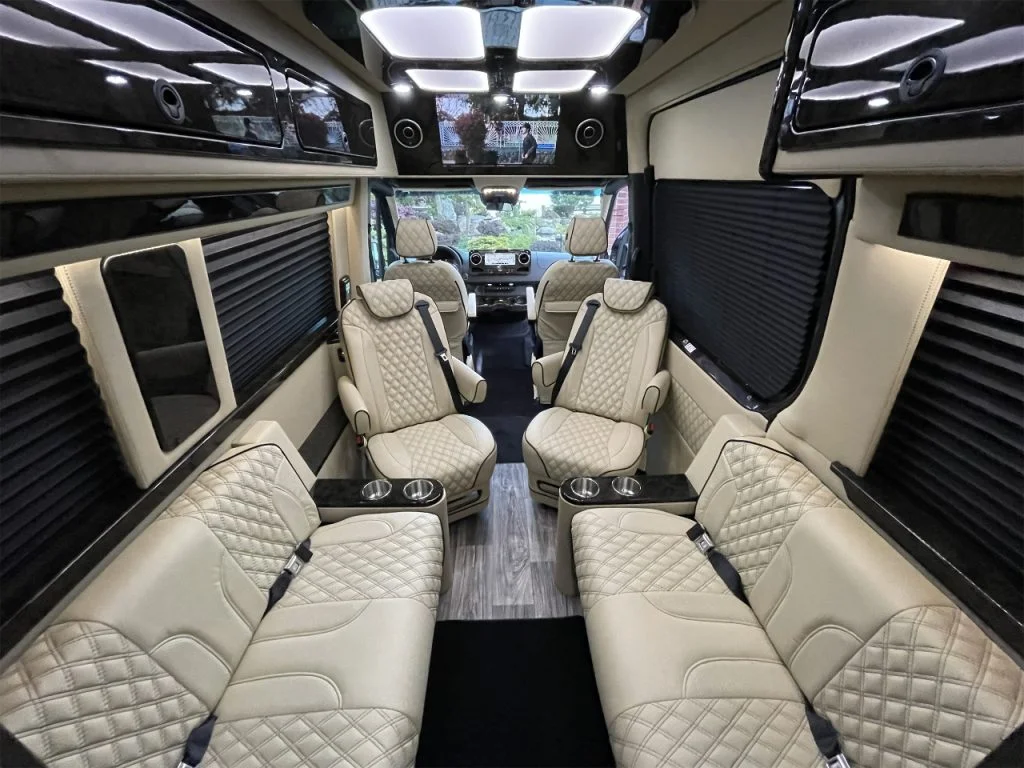
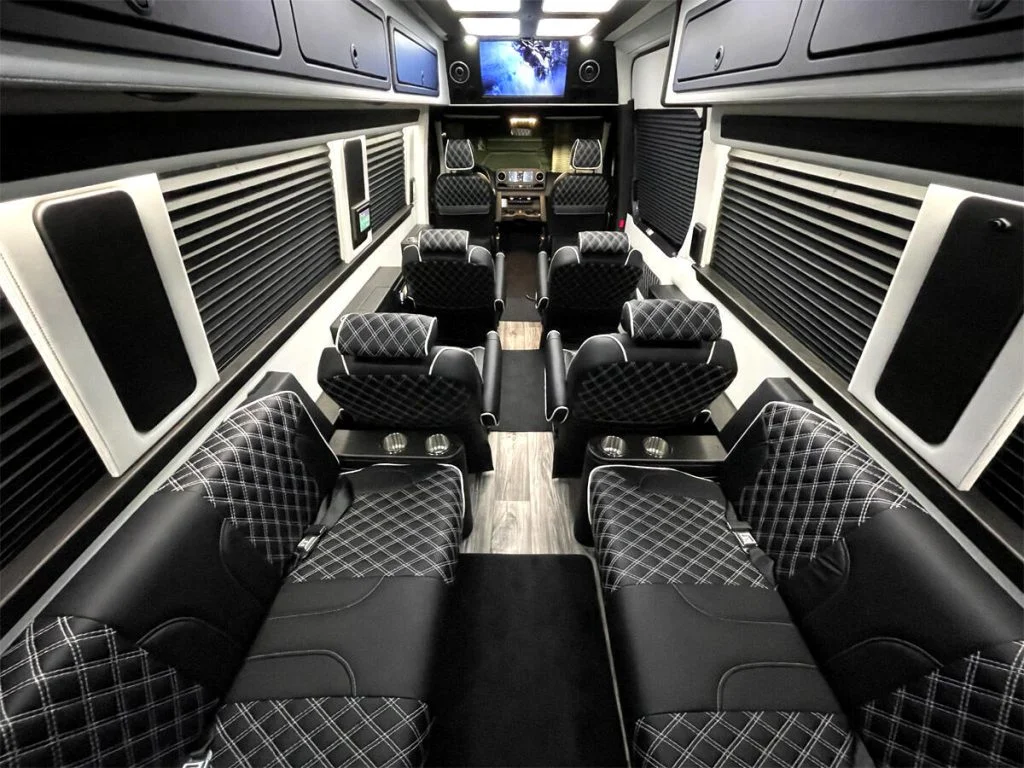
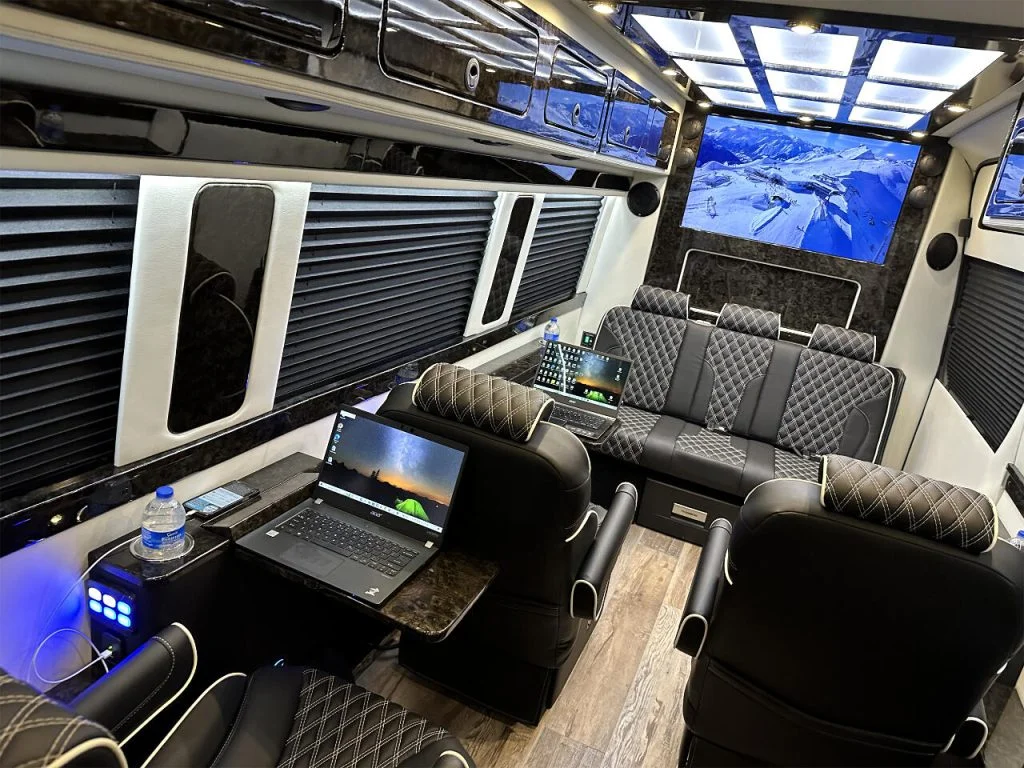
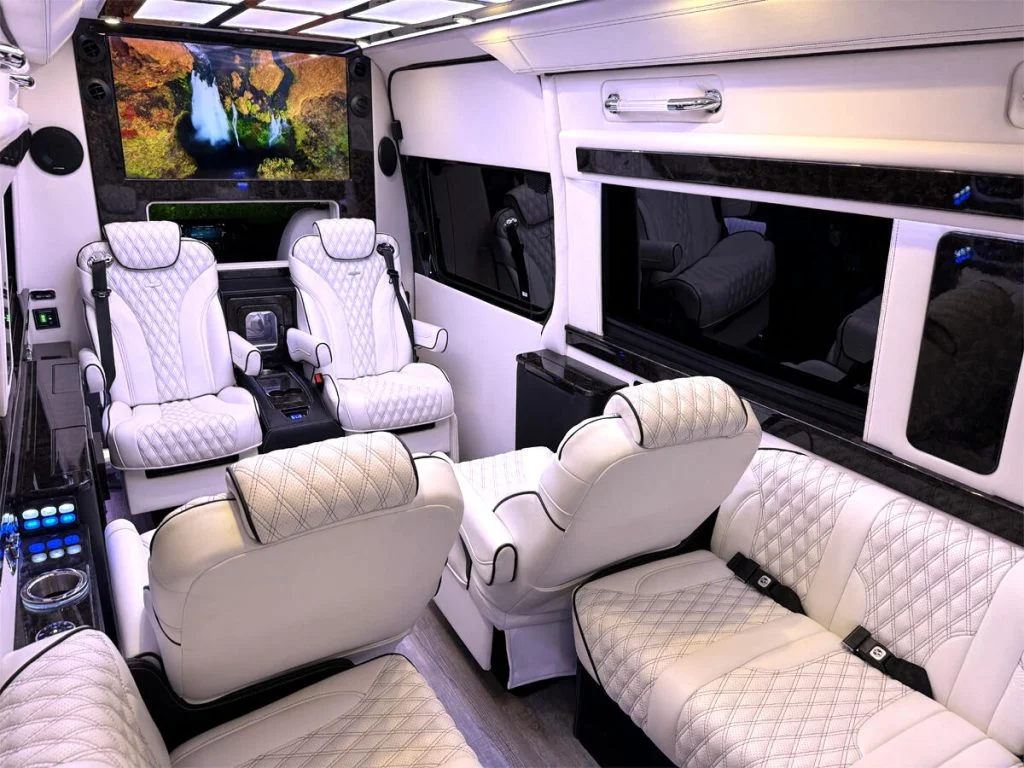
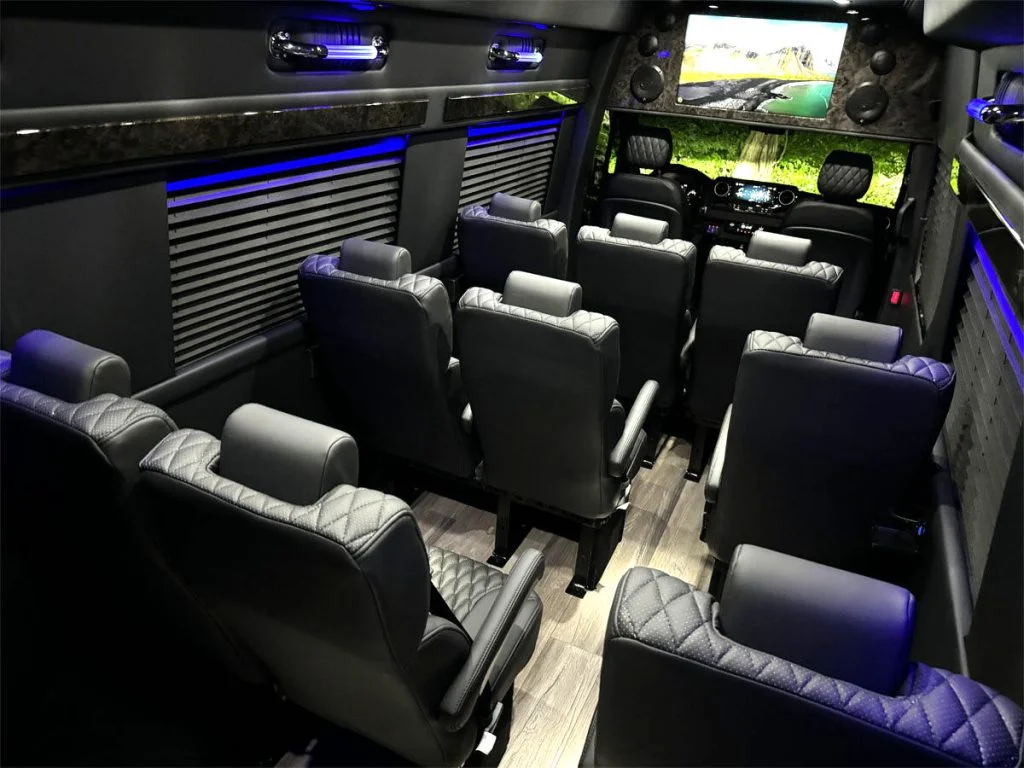
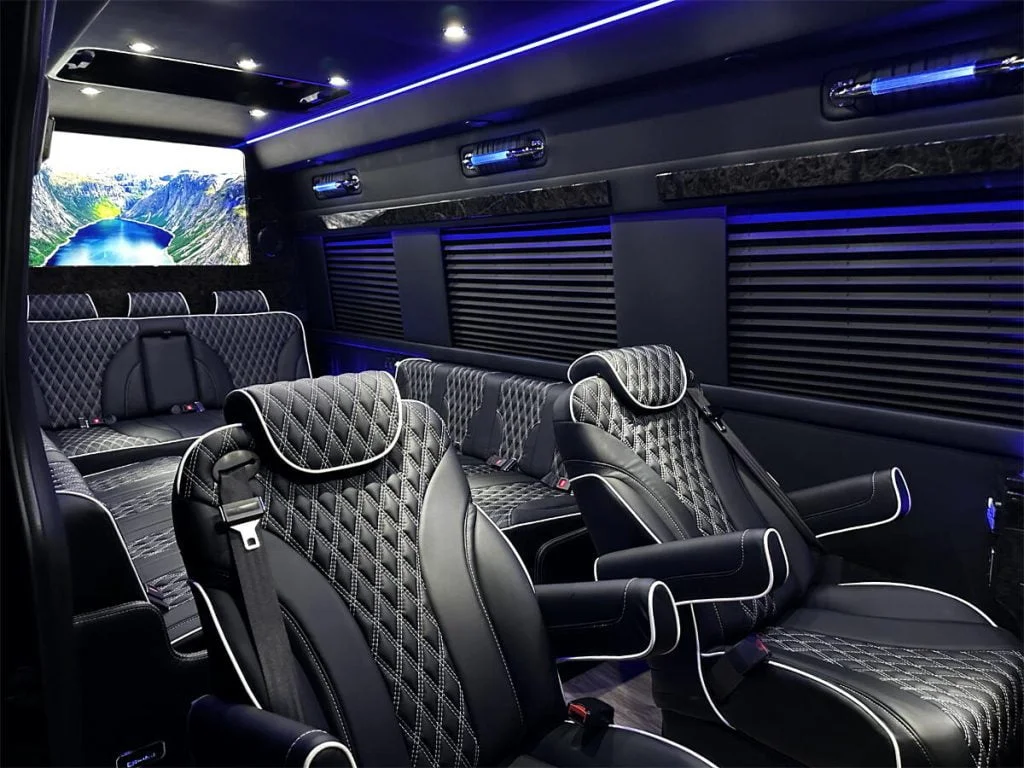
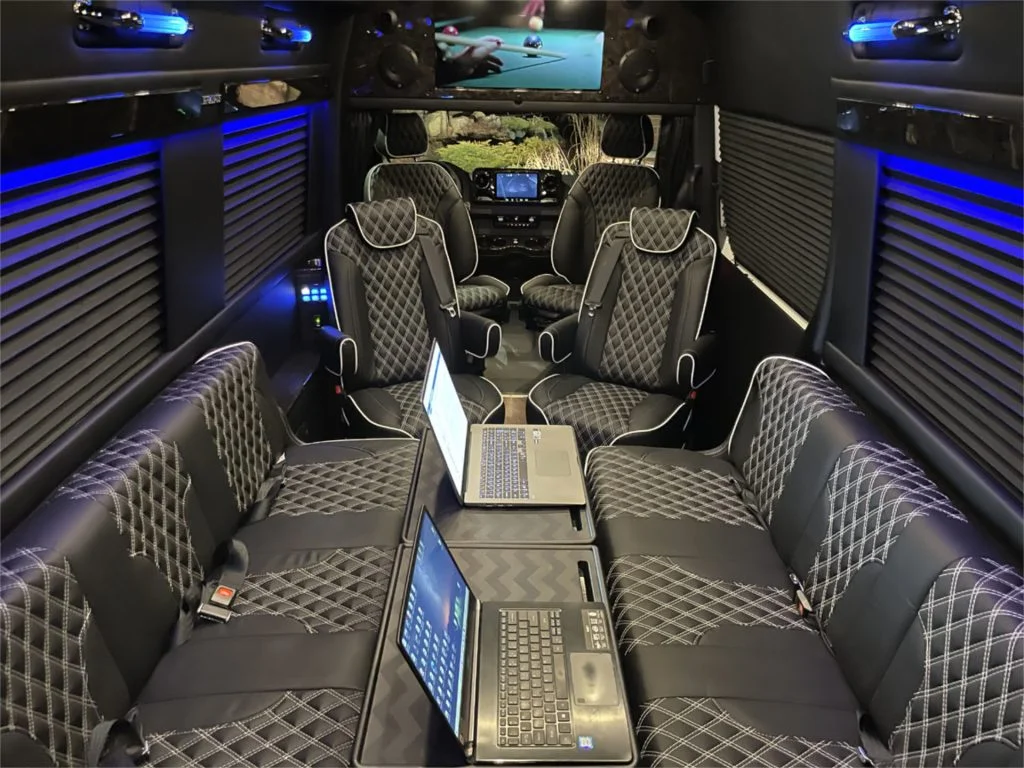
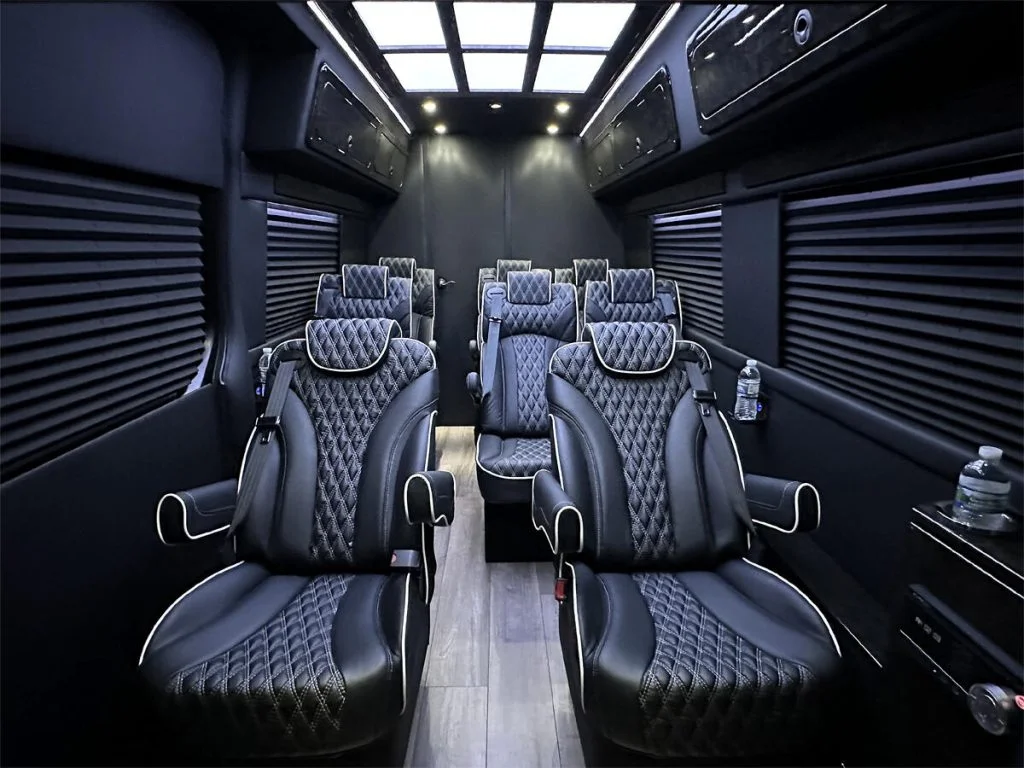
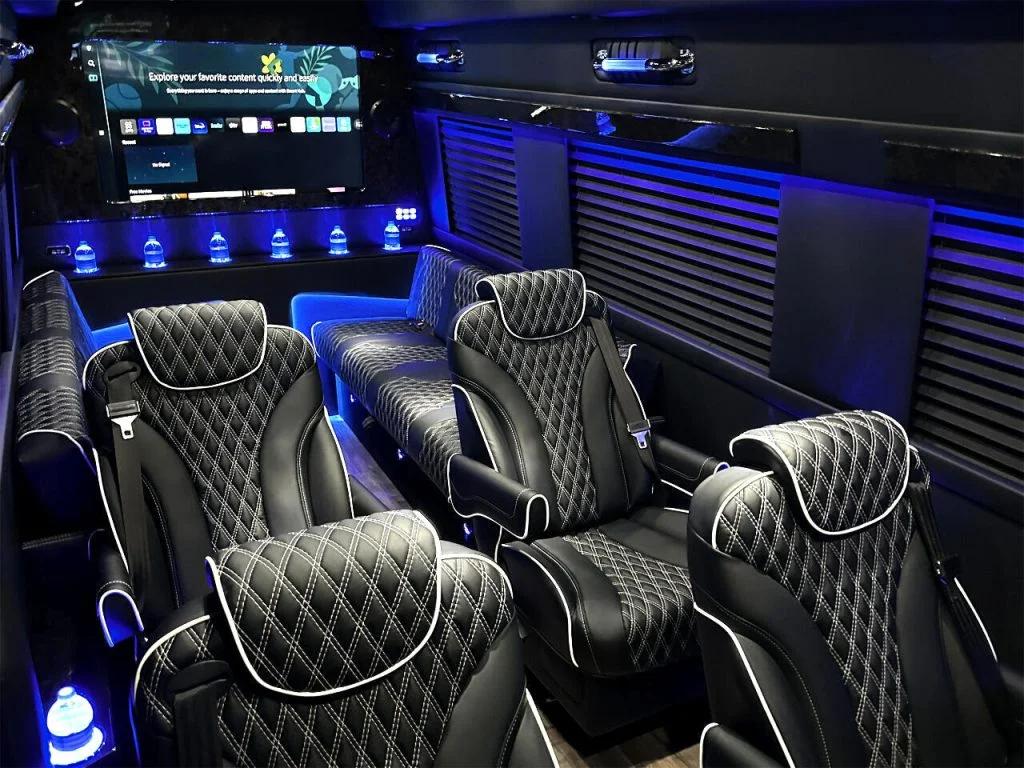
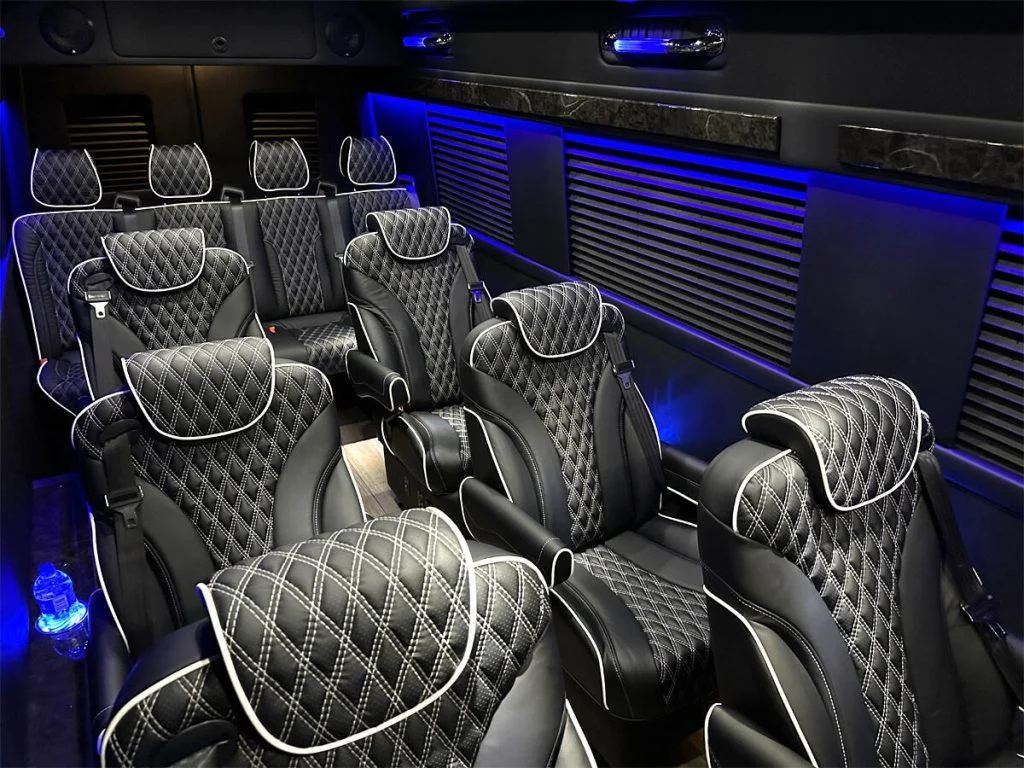
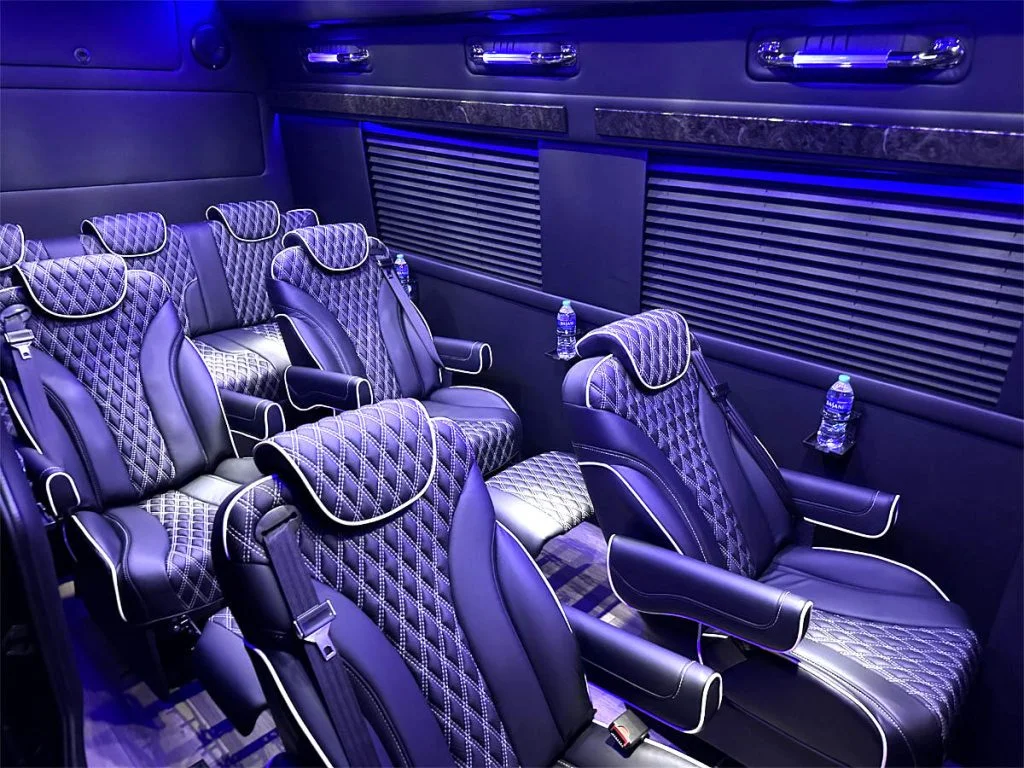
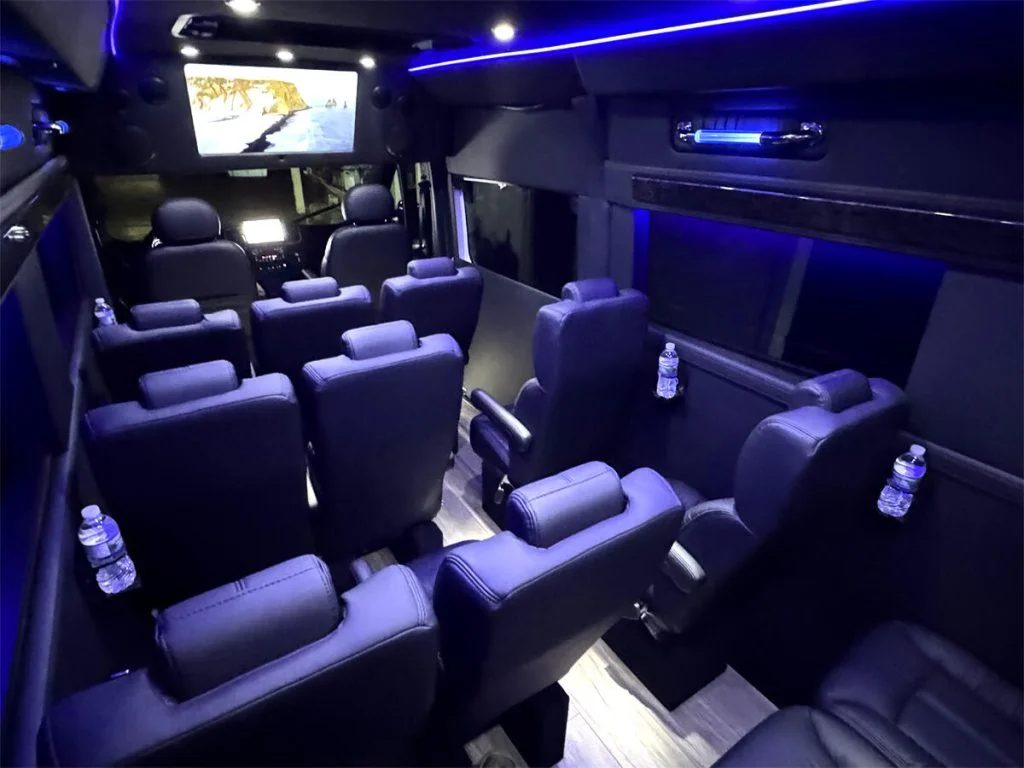
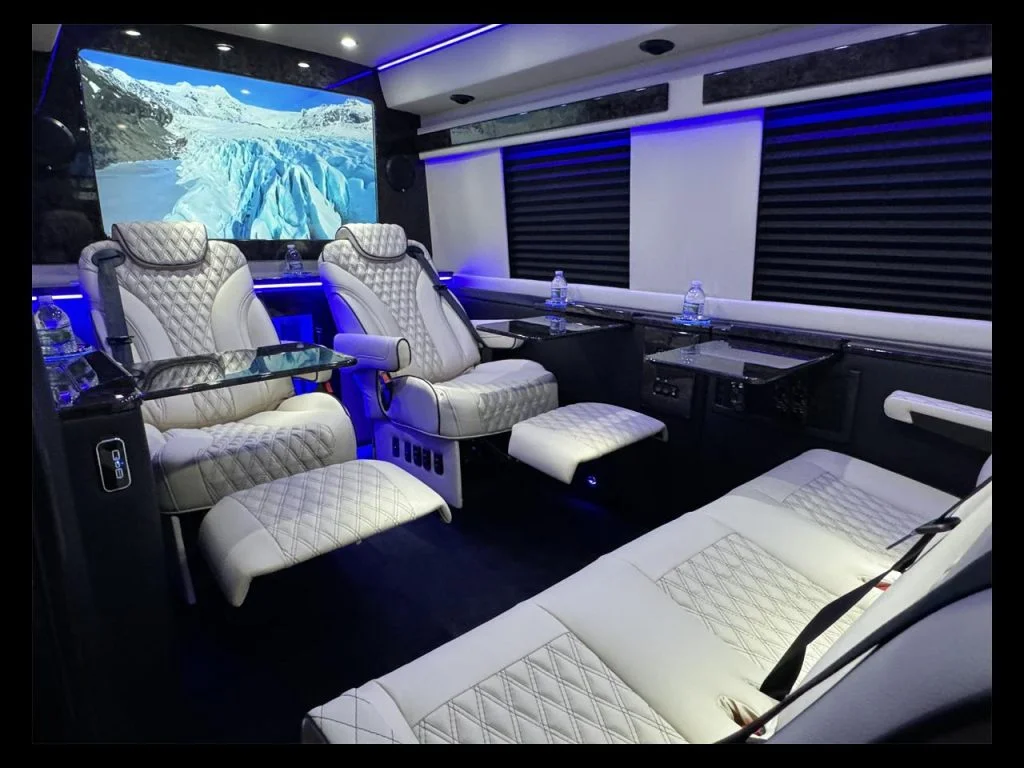
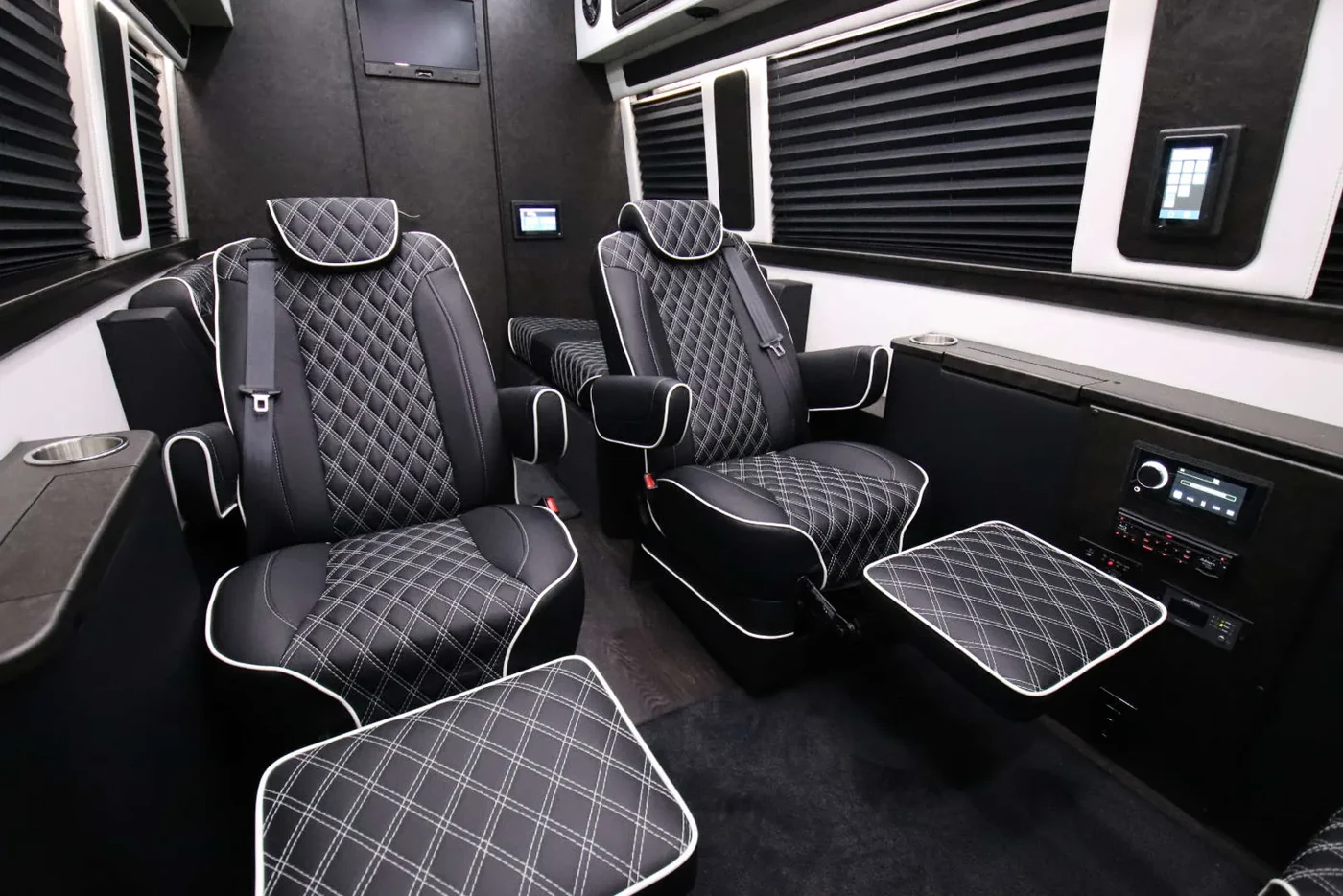
Arrange the bed, privacy shades and luggage as you expect to use them. Ask the demonstrator to identify the warm-air outlets, return-air openings and any required ventilation, then check that your packing arrangement leaves them clear. Follow the appliance’s clearance instructions rather than moving bedding closer to an outlet for extra warmth.
Spend time in the places people will actually sit or sleep. Is the bed area comfortable while the front of the cabin is warm? Can the intended user reach the controls without moving furniture? Is the operating sound acceptable to light sleepers? These observations help compare two conversions even when both advertise a heating system.
Ask specifically whether plumbing and tanks are protected in the conditions you intend to encounter. A comfortable lounge does not, by itself, establish protection for every water line or external component. Get the converter’s explanation of the whole installation before planning to keep the water system in use during freezing weather.
Learn the normal stop and fault routines
Have the owner’s manual open while the seller demonstrates starting, changing settings and shutting down. Record the normal sequence in plain language, including any required waiting or cooldown. Ask which messages call for an owner check and which require service. Do not improvise repeated resets or disconnect power to force a shutdown.
- Photograph the model label and the normal control display.
- Locate the relevant manual section and approved service contact.
- Ask how exterior intake and exhaust openings are checked before use.
- Confirm the testing instructions for the vehicle’s installed safety alarms.
- Make sure every adult traveler knows the normal shutdown procedure.
Make the first cold night an easy one to change
Start close to home or somewhere with a straightforward alternative overnight arrangement. Record the outdoor conditions, selected mode and supply readings before and after the trial. A successful mild-weather test is useful, but it does not prove performance in a much colder setting.
Keep a plan for leaving or moving to suitable accommodation if the system cannot maintain a comfortable cabin. Do not substitute a cooking appliance or an improvised heater. For moisture management while occupied, use the separate condensation guide; for a van being put away, use the winter-storage guide. Those are different jobs from preparing the installed heater for a trip.
Sources checked November 12, 2026. Recheck current travel conditions and the equipment, labels and manuals for your specific completed vehicle.