












Cabin systems

A misted window after an overnight stay can change the morning routine: before breakfast, you are wiping glass and checking whether bedding touched a damp wall. A comfortable Sprinter trip needs a plan for the moisture people, cooking and wet gear bring into a small cabin. Start with the ventilation equipment fitted to your particular conversion, then test a repeatable evening and morning routine.
This guide concerns moisture during occupied trips. For a van being put away for the season, use the separate winter-storage guide and the converter’s instructions.
Find out what actually moves air outside
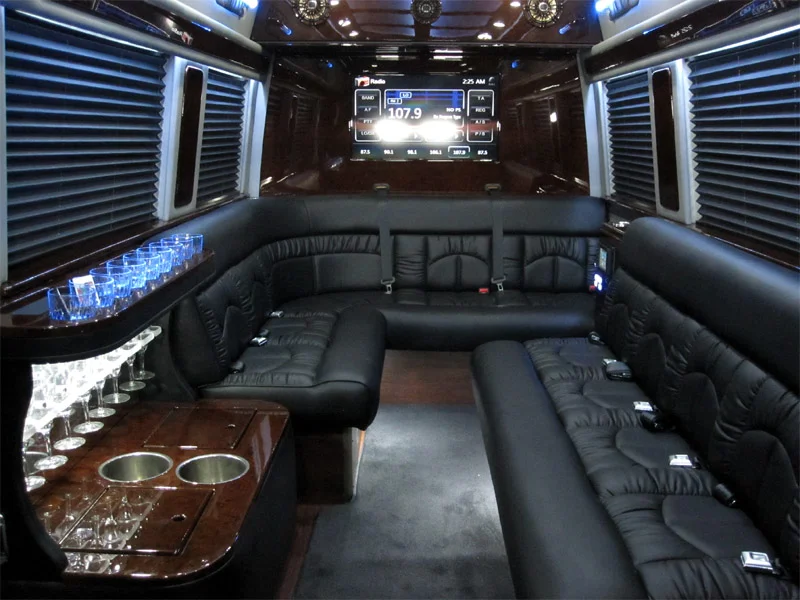
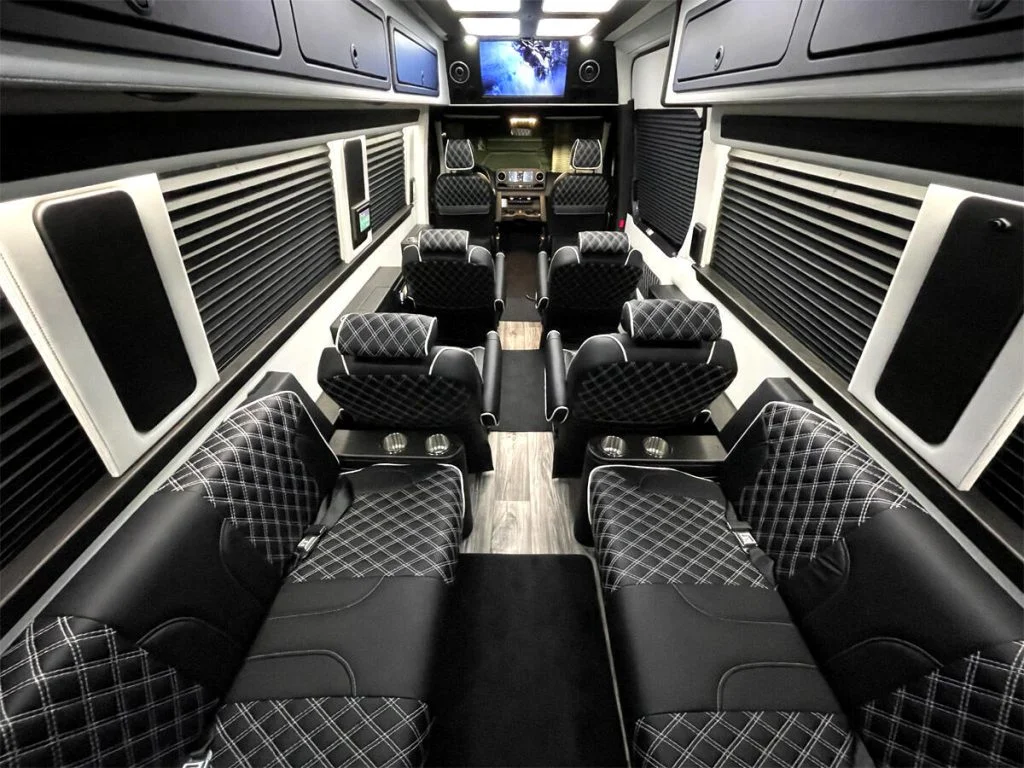
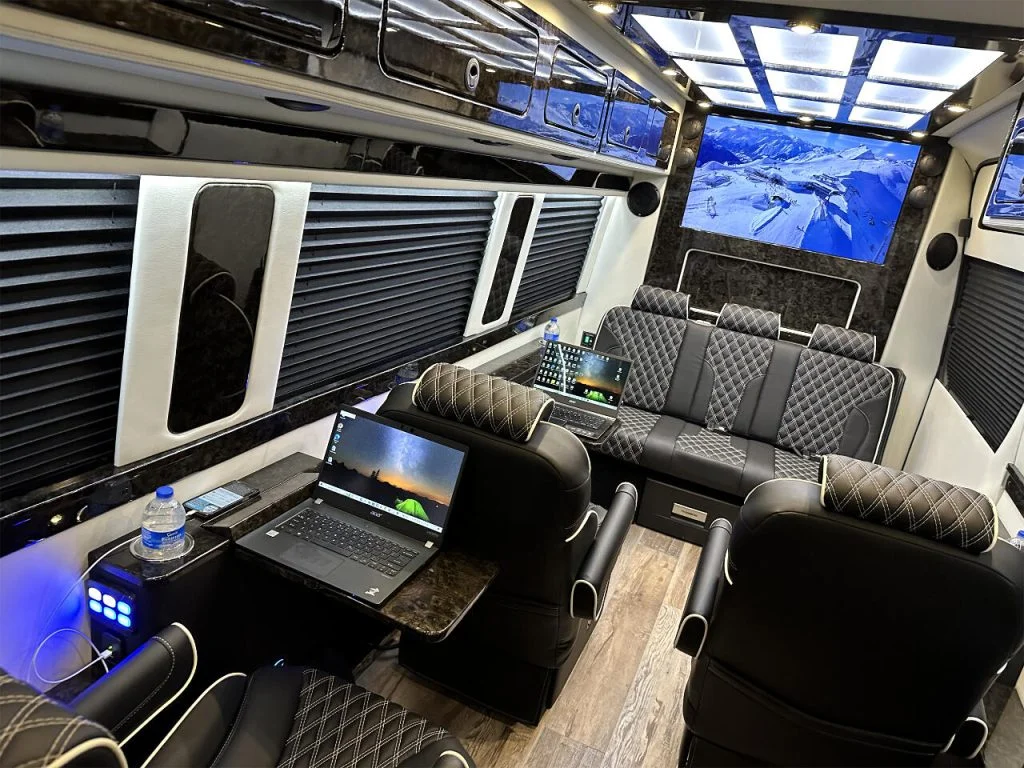
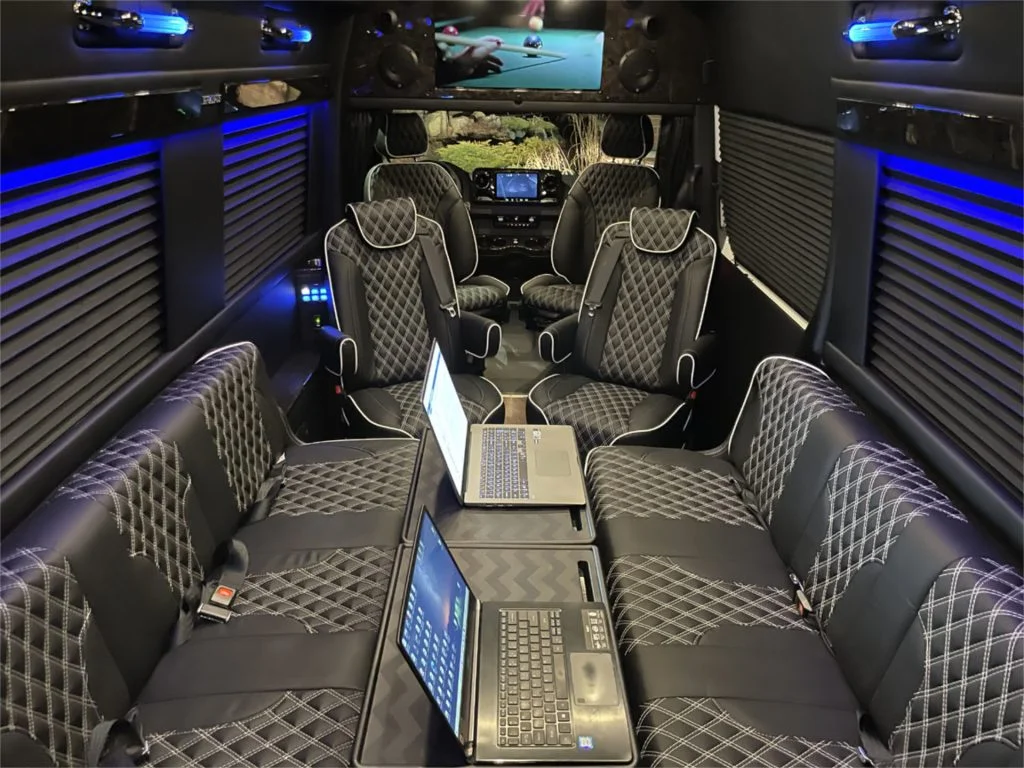
During a viewing or handover, ask the seller to identify each roof vent, exhaust fan, opening window and permanent ventilation opening. Have them demonstrate the controls and explain which settings move air out of the vehicle. A fan that circulates cabin air and an exhaust fan do different jobs; do not assume every ceiling control provides outdoor ventilation.
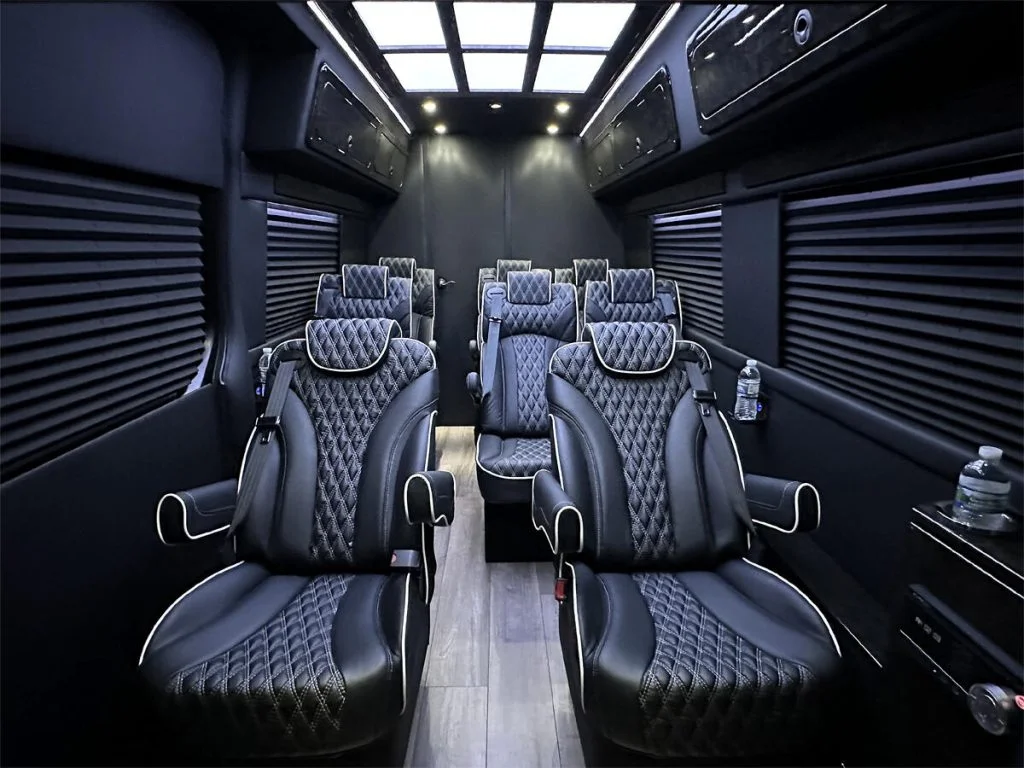
Record any rain, wind or travel restrictions from the equipment manual. Find out whether a fan needs a separate opening for replacement air, and which openings the converter intends you to use. Leave required permanent ventilation unobstructed. Ask for a demonstration with the privacy shades in their normal overnight positions, since that is the arrangement you will actually use.
Reduce the moisture you bring into the lounge
Keystone’s RV condensation guidance explains that moisture can collect out of sight in cupboards and that packed storage can restrict air circulation. It also advises against drying wet clothes inside the coach. Those general principles help with planning, but equipment settings still come from your own converter.
Before a rainy trip, give wet jackets, footwear and towels a specific destination. A washable tray may keep drips off the floor, but the gear still needs a drying plan. Avoid returning damp towels to a tightly packed cabinet simply because the cabin looks tidier with the door shut. Consider what can dry outside where permitted, and what needs a laundry stop.
Make the same plan for showering and cooking. Identify the applicable exhaust equipment before using it, follow the appliance instructions and keep its openings clear. A cooking appliance is not a cabin heater. If your layout has no shower, wet swimwear or a rainy dog walk can still leave you with gear to deal with.
Rehearse an evening routine at home
Try an overnight stay close to home before the first longer journey. Use your usual bedding and travel party, with the van parked in a permitted location. Follow the ventilation and heating instructions for the vehicle rather than borrowing a fan setting from a different conversion.
- Put wet gear in its planned place and keep it away from bedding.
- Check that luggage does not cover vents, air outlets or controls.
- Set up privacy shades and ventilation in the demonstrated arrangement.
- Note the weather, number of occupants and any cooking or showering.
- Make sure everyone knows how to operate the overnight controls.
A short written record is more useful than trying to remember whether the cabin felt damp last weekend. If you use a humidity meter, record where you put it; a reading beside a cold window is not automatically representative of every cabinet. Ask the converter what range and response are appropriate for the materials and equipment installed.
Look beyond the visible glass in the morning
Check the window edges, accessible cabinet interiors and places where bedding has rested against the body or glass. Use the converter’s approved care method to remove moisture and let affected items dry before packing them away. The interior-cleaning guide explains why finish-specific product instructions matter.
Airstream’s condensation advice also emphasizes allowing moisture to escape and avoiding stagnant air in storage. Apply any cabinet-opening routine only while parked, then restore the vehicle to its required travel configuration before moving.
Know when to request an inspection
Do not label every wet patch “normal condensation.” Photograph where it appears and note whether it follows rain, washing, plumbing use or an occupied night. Persistent localized dampness, staining or a recurring odor deserves a conversation with the converter or service provider. A fan adjustment does not establish that a roof seal or plumbing connection is sound.
If a dehumidifier is proposed, confirm its placement, drainage, operating-temperature range and electrical requirements with the equipment instructions. Include it in your power plan before buying. The useful outcome is a cabin routine you can maintain on the road, plus a clear service contact if moisture keeps returning.
Sources checked November 5, 2026. Recheck current travel conditions and the equipment, labels and manuals for your specific completed vehicle.