

Destinations
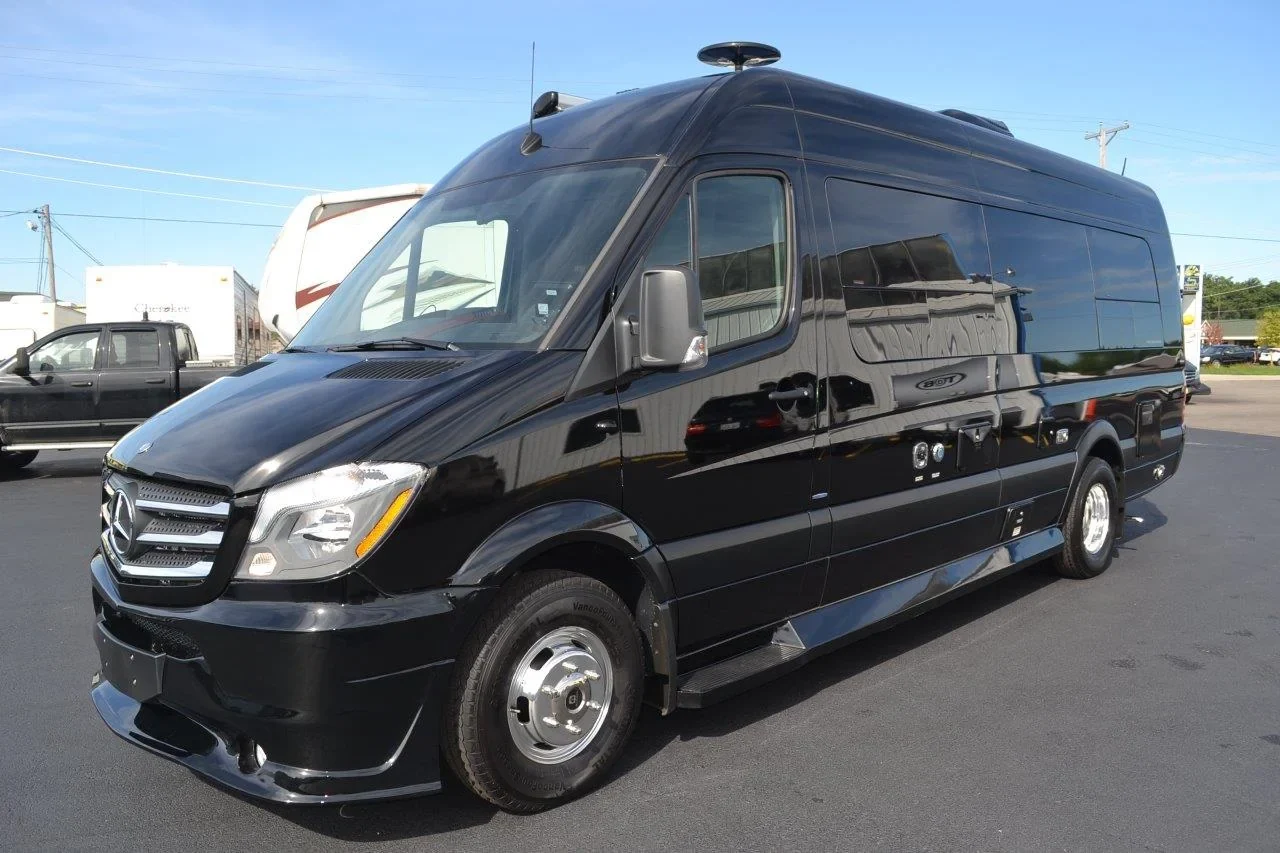
For an overnight Sprinter trip inside Everglades National Park, start by comparing Flamingo and Long Pine Key. Both are drive-in campground options, but a reservation at one does not tell you what utilities your particular site provides. Match the booking to your van’s cooling, water and sleeping routine before planning the rest of the visit.
November is a useful time to make that comparison: the campground operator lists Long Pine Key’s 2026–27 season as November 1, 2026 through April 30, 2027. Treat those as the currently published dates, then reconfirm opening conditions and availability for your stay.
Choose a drive-in campground, not a wilderness site
The National Park Service camping page separates frontcountry camping from wilderness camping. The latter includes locations reached by water or on foot. A wilderness reservation is not a parking reservation for your Sprinter, even if the location sounds ideal for an overnight stop.
Use the campground operator’s current booking page for Flamingo and Long Pine Key. Check the campsite type and its stated vehicle limits, then provide the dimensions of your completed van, including any rear carrier. Save the actual site description with the confirmation rather than relying on a general campground photograph.
Compare the facilities your van will need
At Flamingo, the operator identifies T-loop pull-through RV sites and says only some have electrical hookups. It also says T-loop sites have no individual water or sewer hookups; potable-water filling stations are by the dump station. “RV site” therefore does not automatically mean a full-hookup site.
For Long Pine Key, the operator lists bathhouses, a dump station and a potable-water filling station. Confirm the utilities available at the exact site before booking. If your overnight plan depends on shore power, ask specifically about that requirement rather than interpreting a campground amenity list as a promise of power at your parking space.
Make a short comparison on paper: available electricity, water access, waste disposal, arrival arrangements and cancellation terms. Then mark each item as confirmed, not needed or still to ask. This keeps a preferred location from quietly replacing a necessary facility.
Decide how you will keep the cabin comfortable
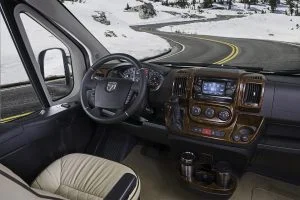
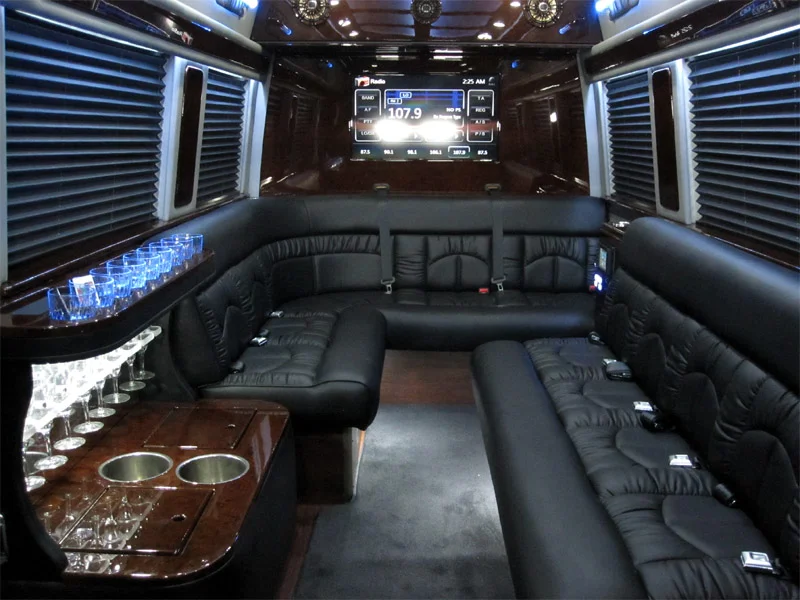
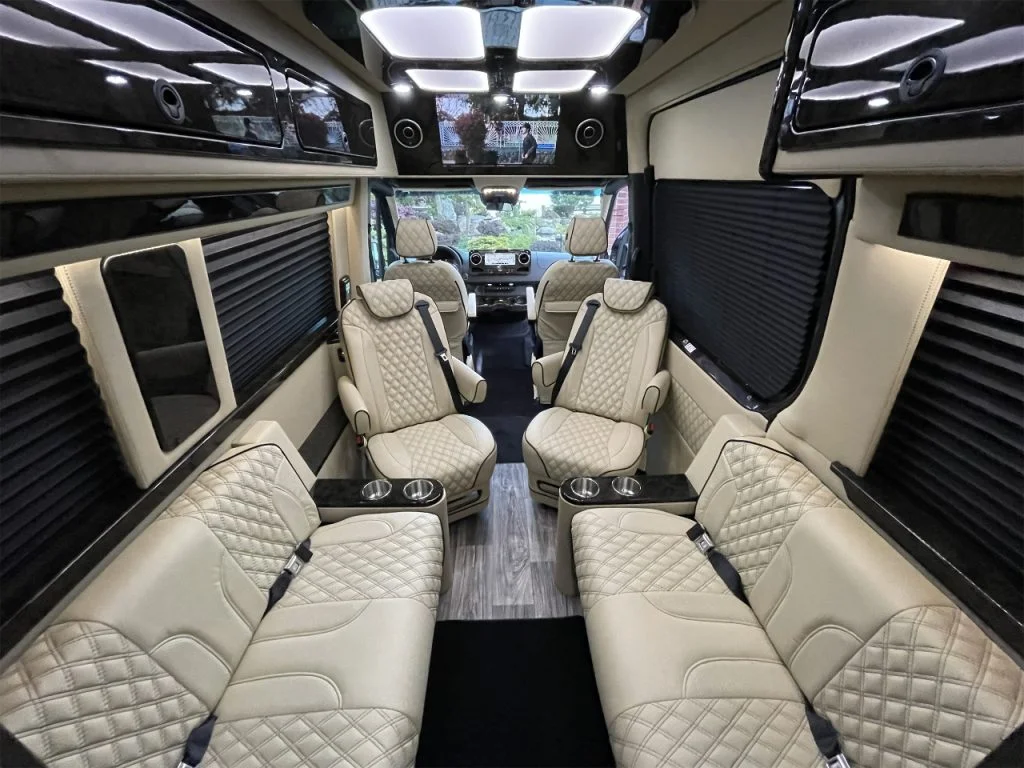
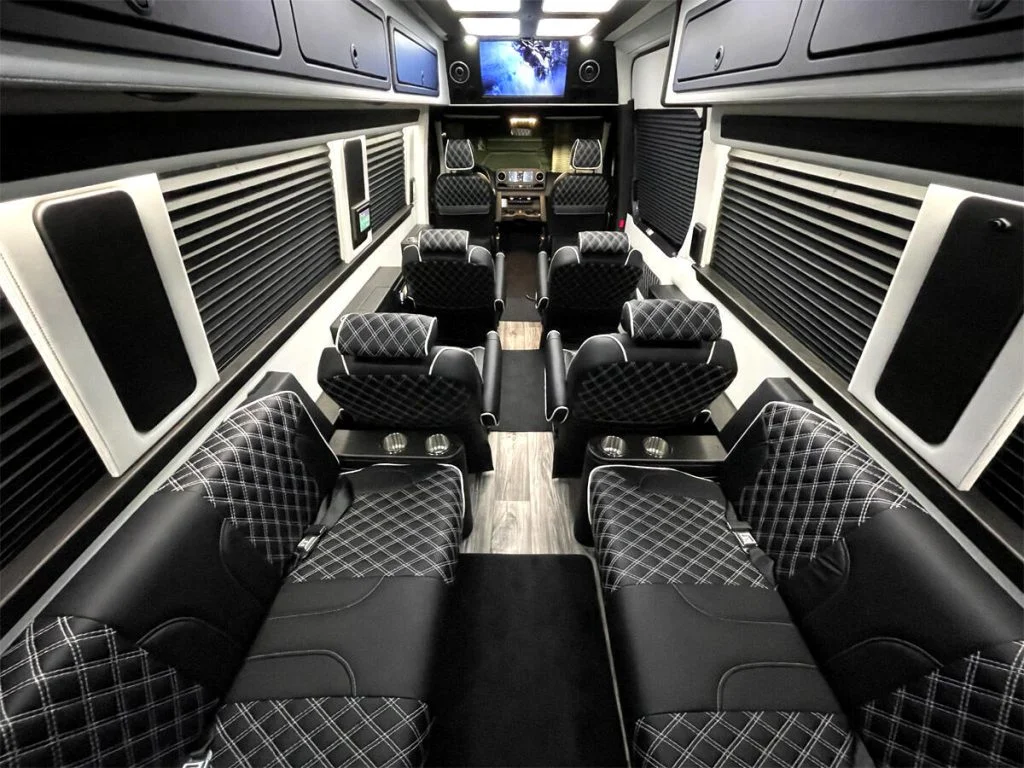
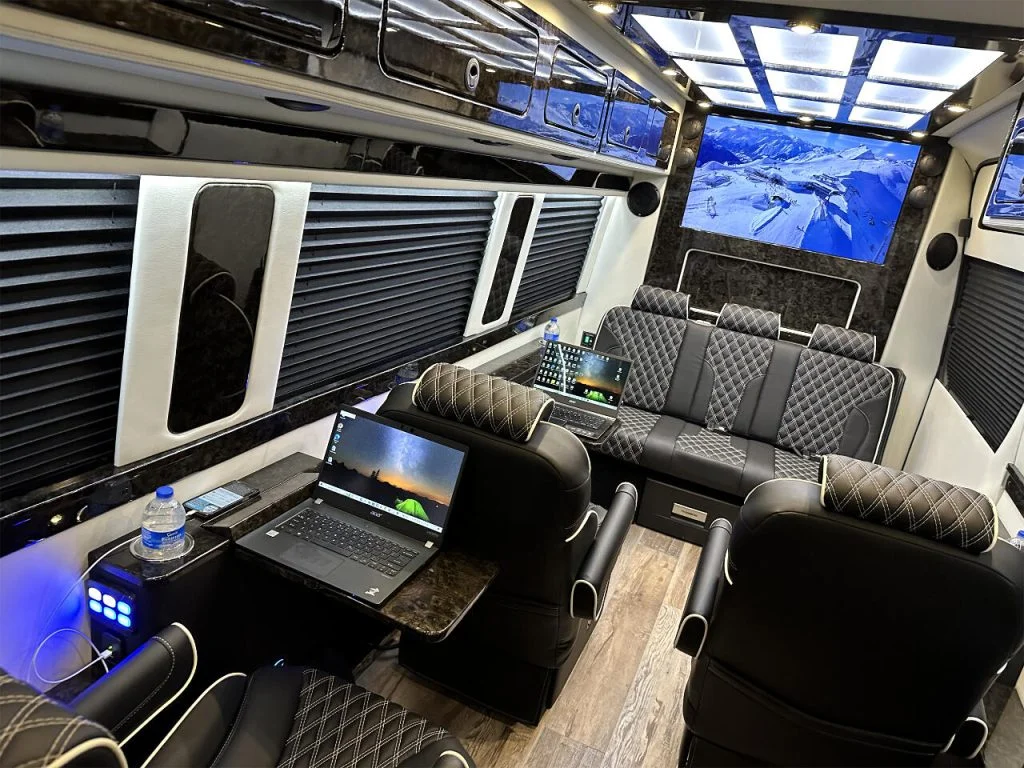
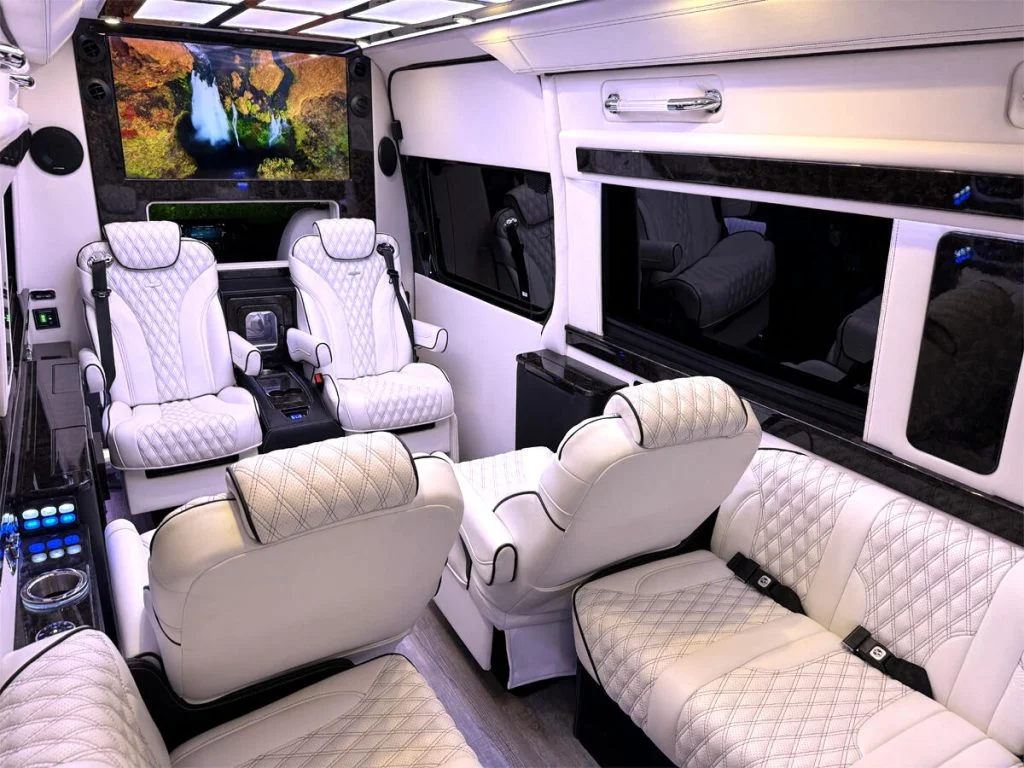
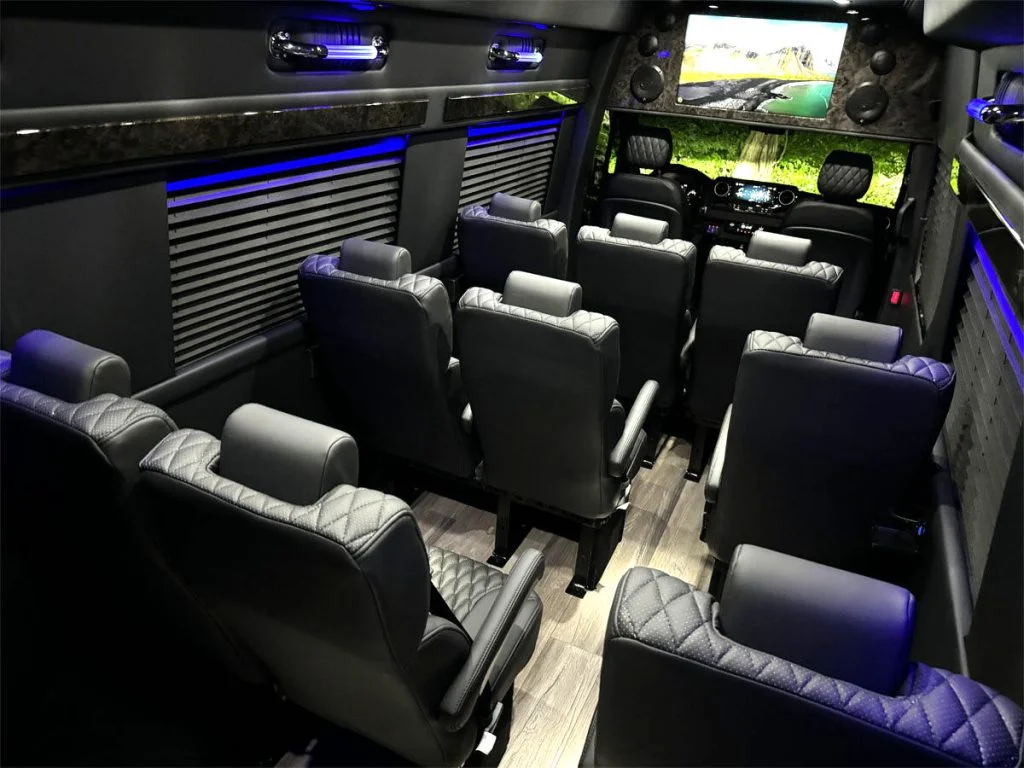
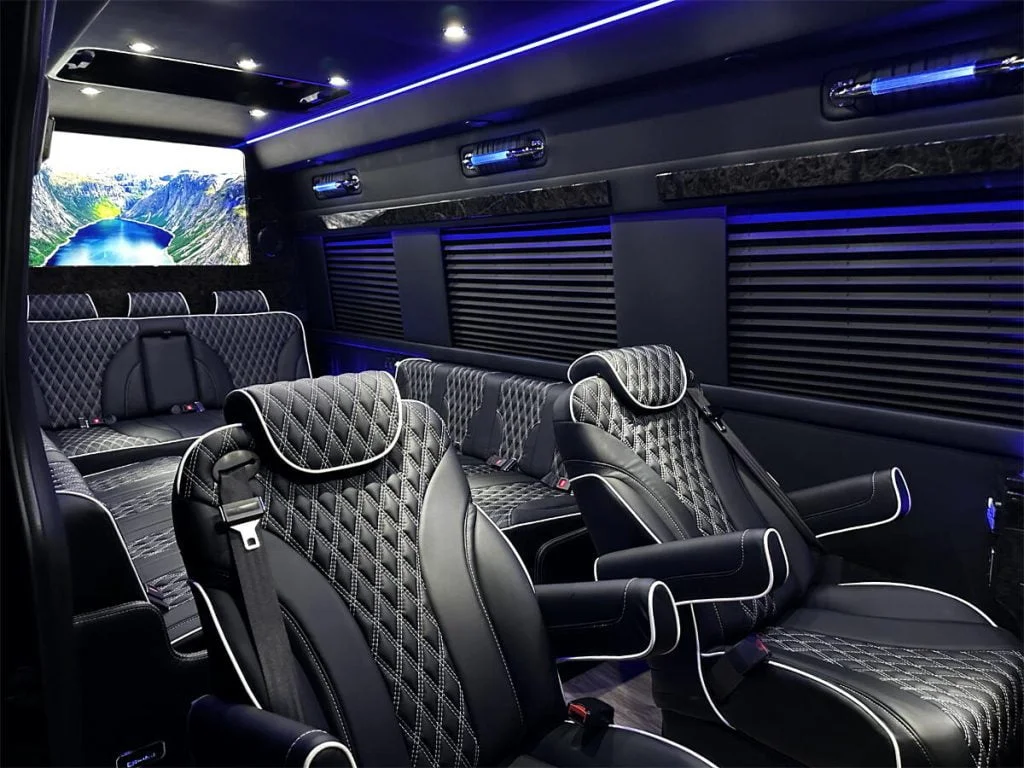
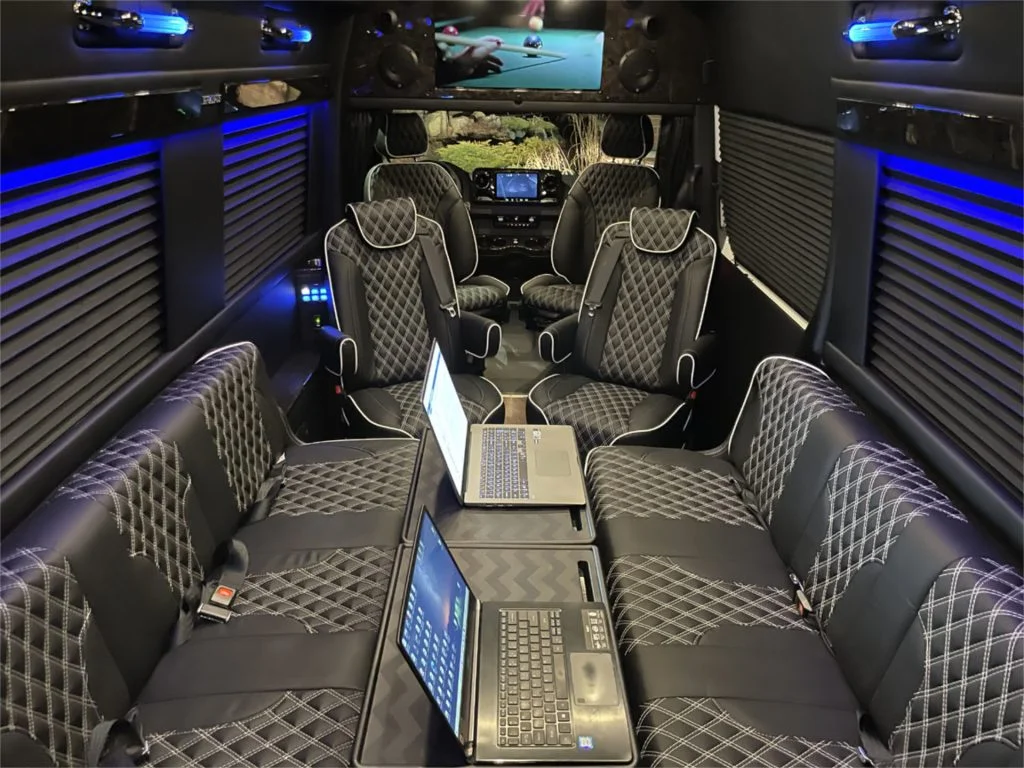
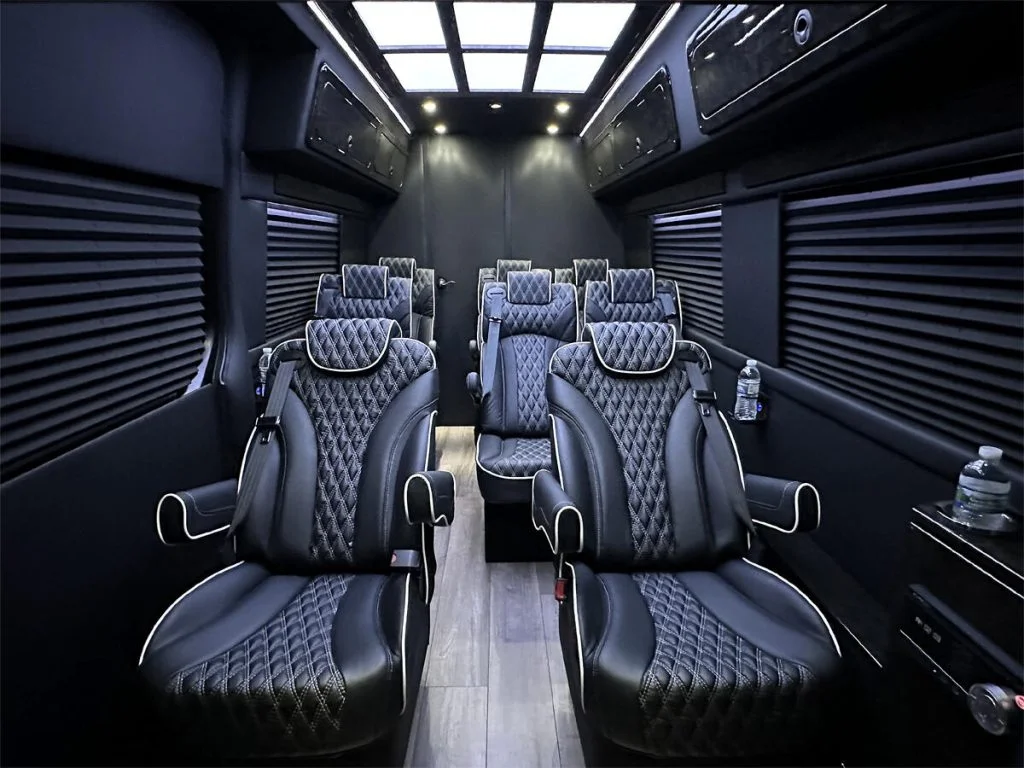
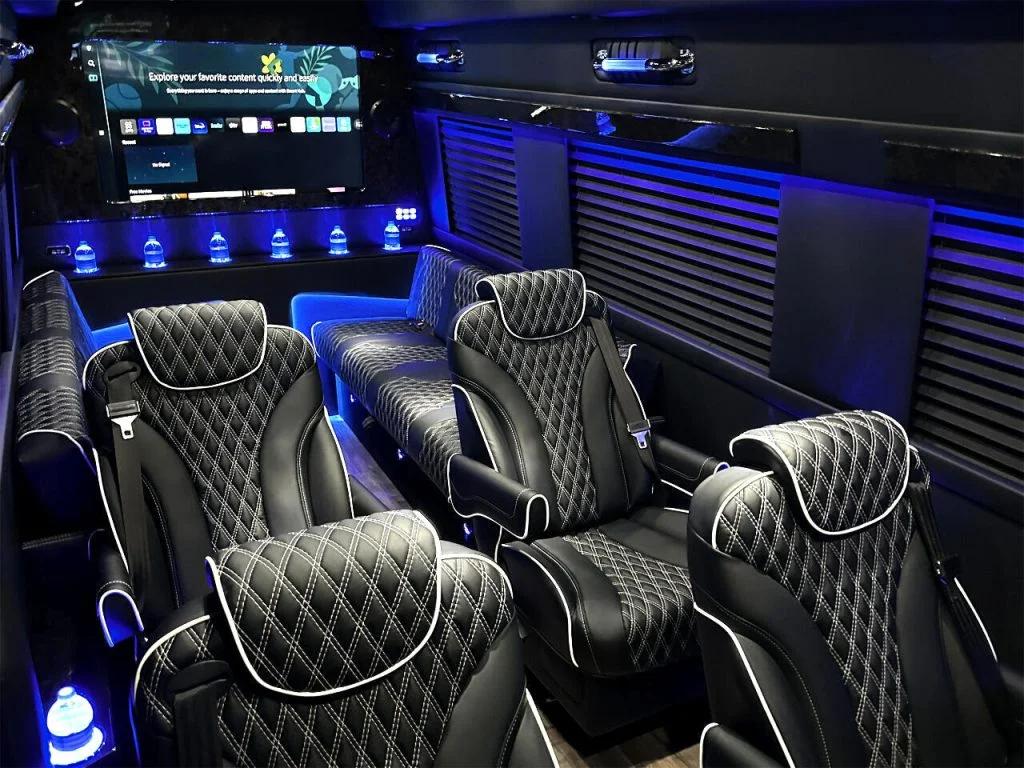
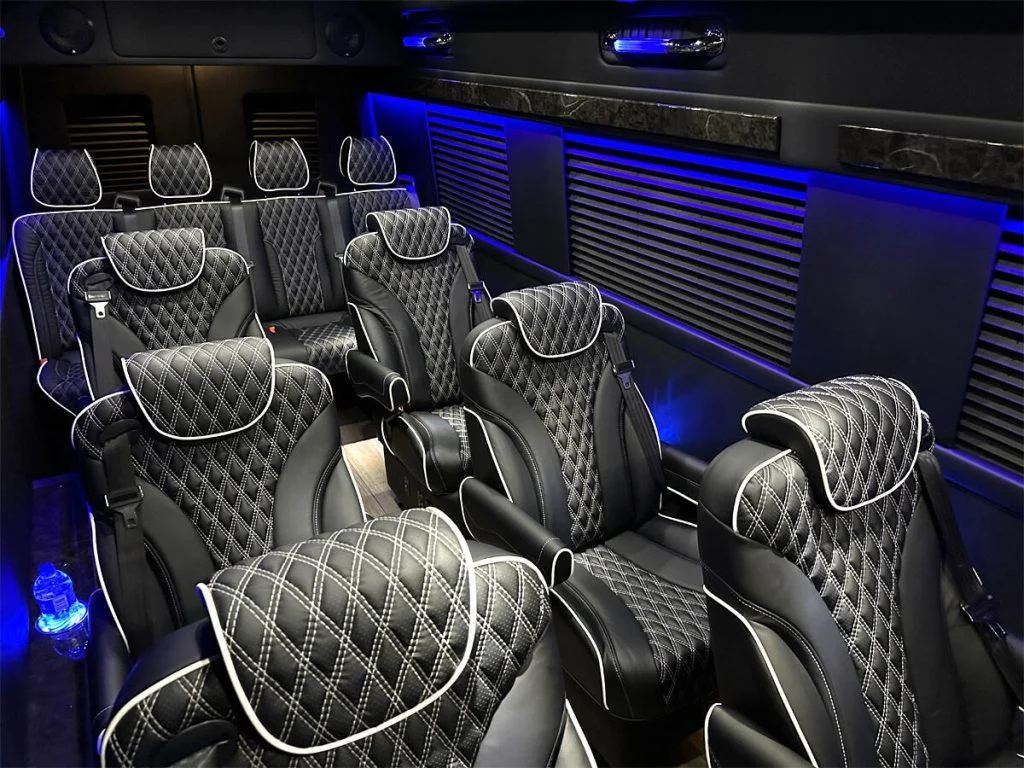
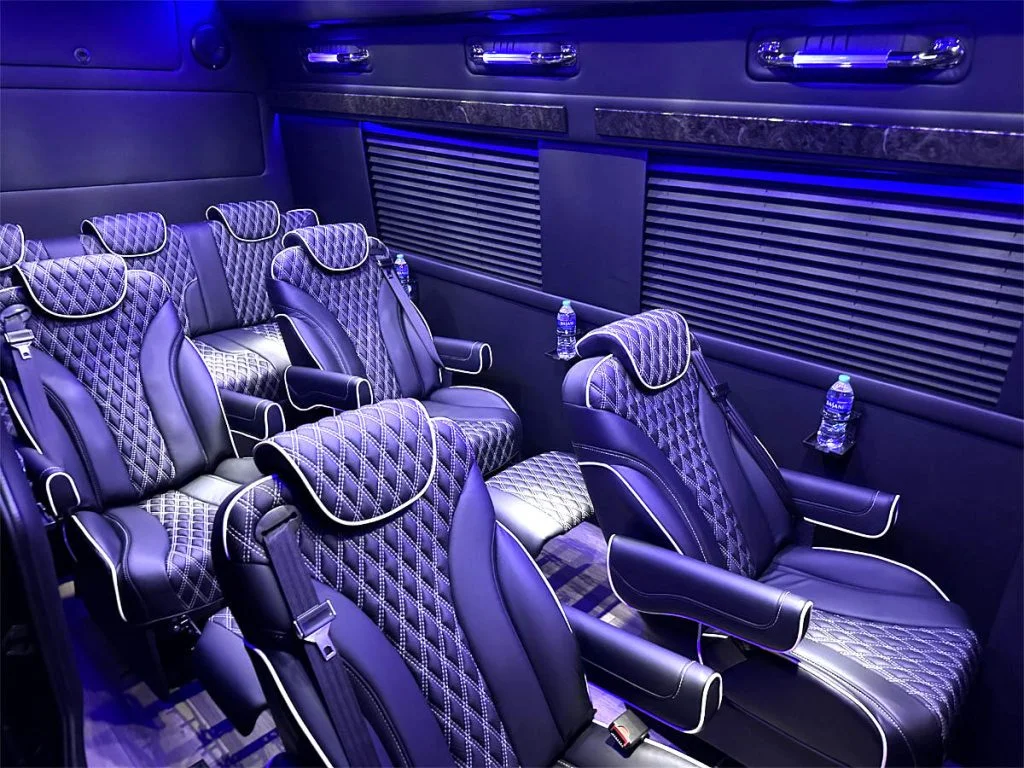
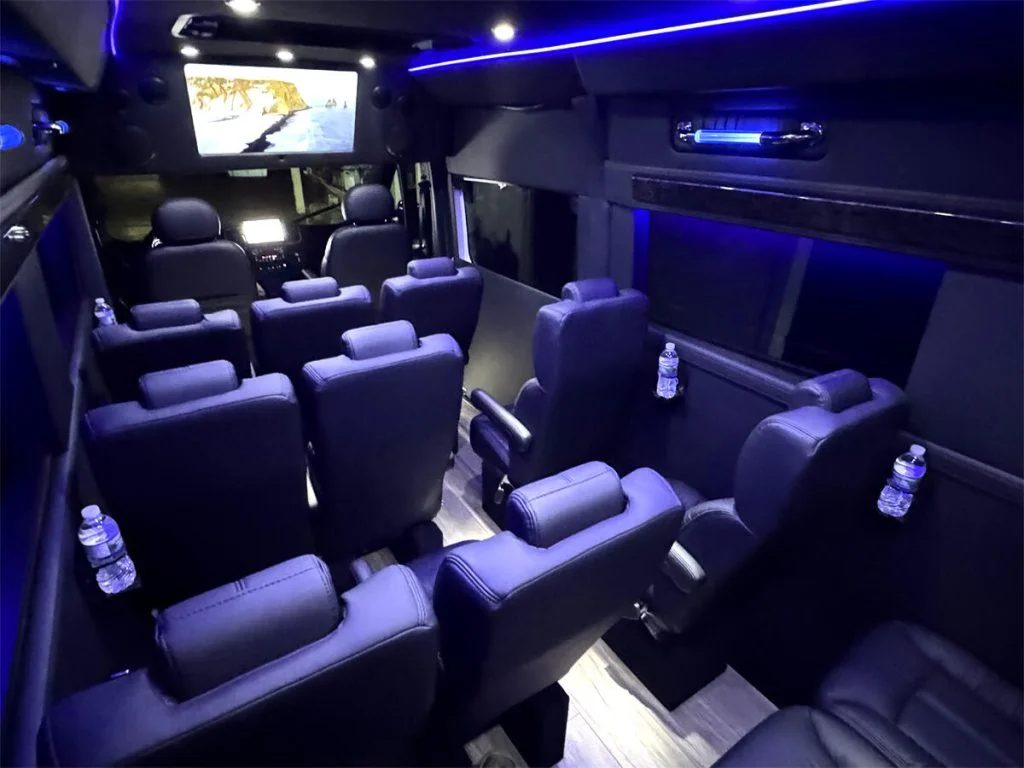
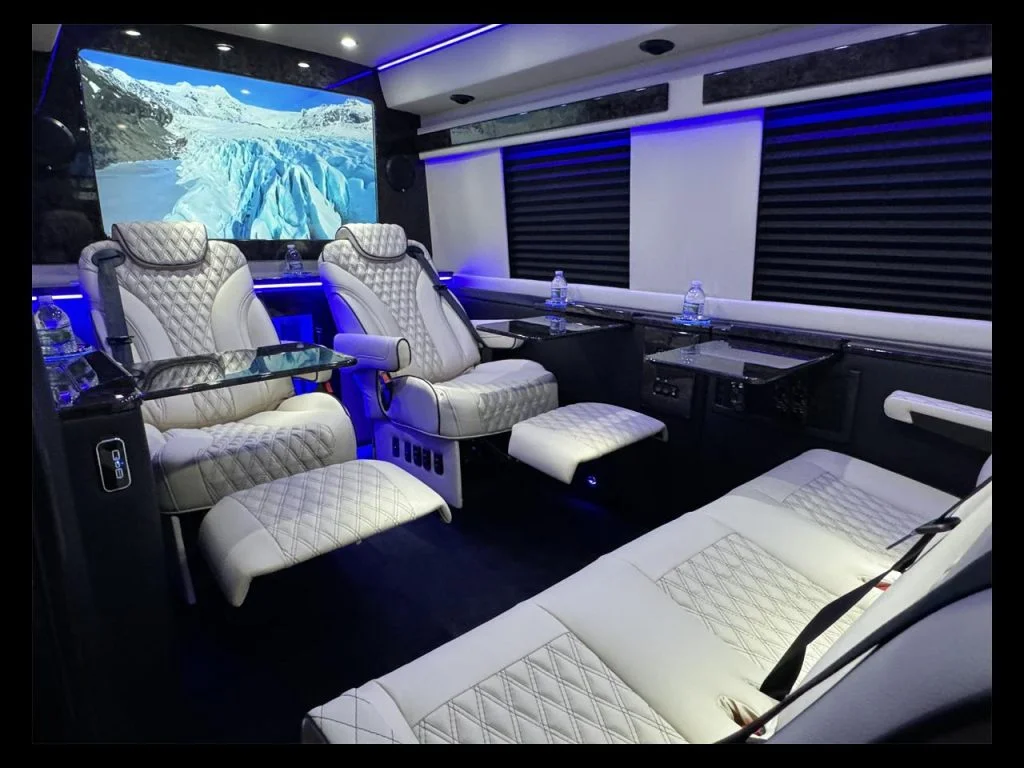
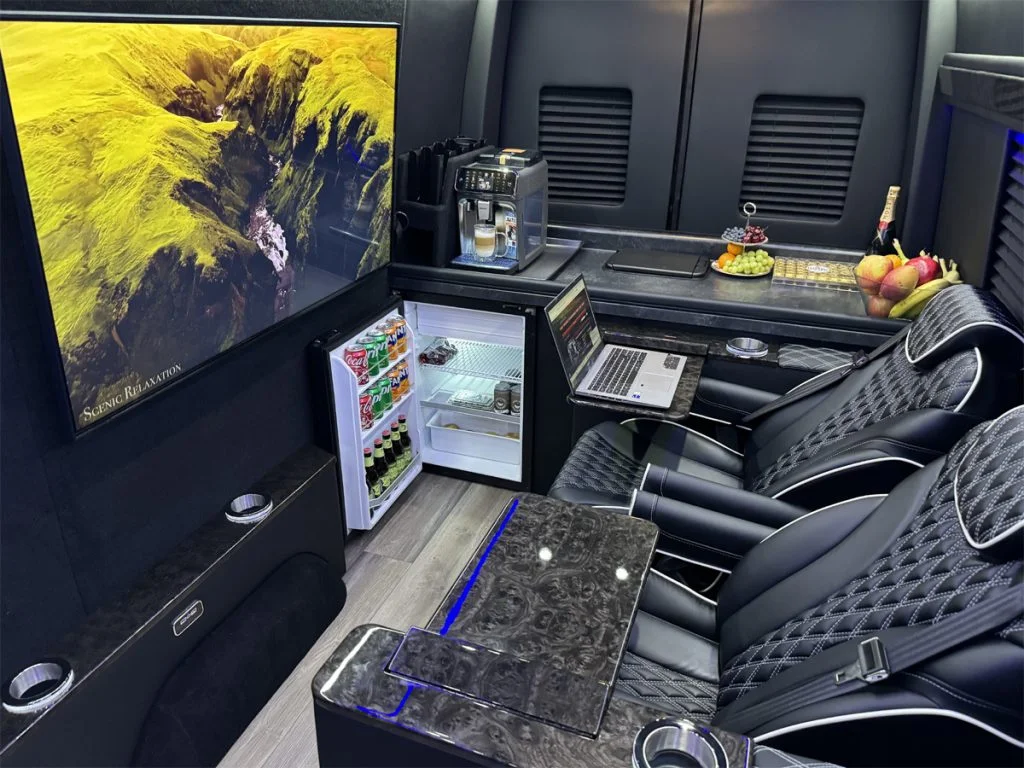
A luxury interior is still dependent on its installed equipment. Before reserving a site without confirmed electricity, establish how your own cooling system runs while parked and what limits apply. Use the battery air-conditioning guide to prepare the questions, then rely on the completed van’s demonstrated capabilities.
If you choose an electric site, confirm the connection and follow your equipment’s hookup procedure. The shore-power guide can help organize that discussion. Do not make an untested adapter or a presumed generator allowance the foundation of your overnight plan.
Consider the time you expect to spend inside, too. A couple returning only to sleep may pack differently from a family planning meals and a quiet afternoon in the van. Test the sleeping layout with bags stowed before leaving home, and keep the things you will want after dark easy to reach.
Build the water and arrival plan before driving in
Choose a sensible arrival time with room to locate your site and understand the facilities. Ask the operator how late arrivals are handled and where to go if the kiosk is closed. Save those instructions offline along with the reservation, site map and contact number.
List what you expect to use water for: drinking supplies, meals, washing and any onboard bathroom. Verify how your van is filled and emptied, and plan the appropriate stops. The campground’s shared filling station does not mean you can connect a hose at your campsite for the whole visit. Keep that distinction in mind when deciding how many nights to reserve.
Recheck conditions close to departure
Review the park’s current alerts and conditions and the operator’s notices before travel. On November 5, the operator’s page carried a high-mosquito notice and said Bayside campground was closed for the 2026 season. Check the status again for your dates rather than assuming every named area is available.
Keep a practical alternative if the site you need is unavailable: different dates, a suitable campground outside the park, or a day visit from another overnight base. Compare the actual facilities before accepting a substitute. For a longer South Florida trip, the Florida Keys guide covers a separate destination; it is not evidence that the same campsite arrangements apply in the Everglades.
The booking is ready when the vehicle fits, the necessary utilities are confirmed and everyone knows the arrival plan. That leaves the trip itself for exploring rather than discovering, after dark, that your van and campsite need different things.
Sources checked November 5, 2026. Recheck current travel conditions and the equipment, labels and manuals for your specific completed vehicle.