


Buying & ownership
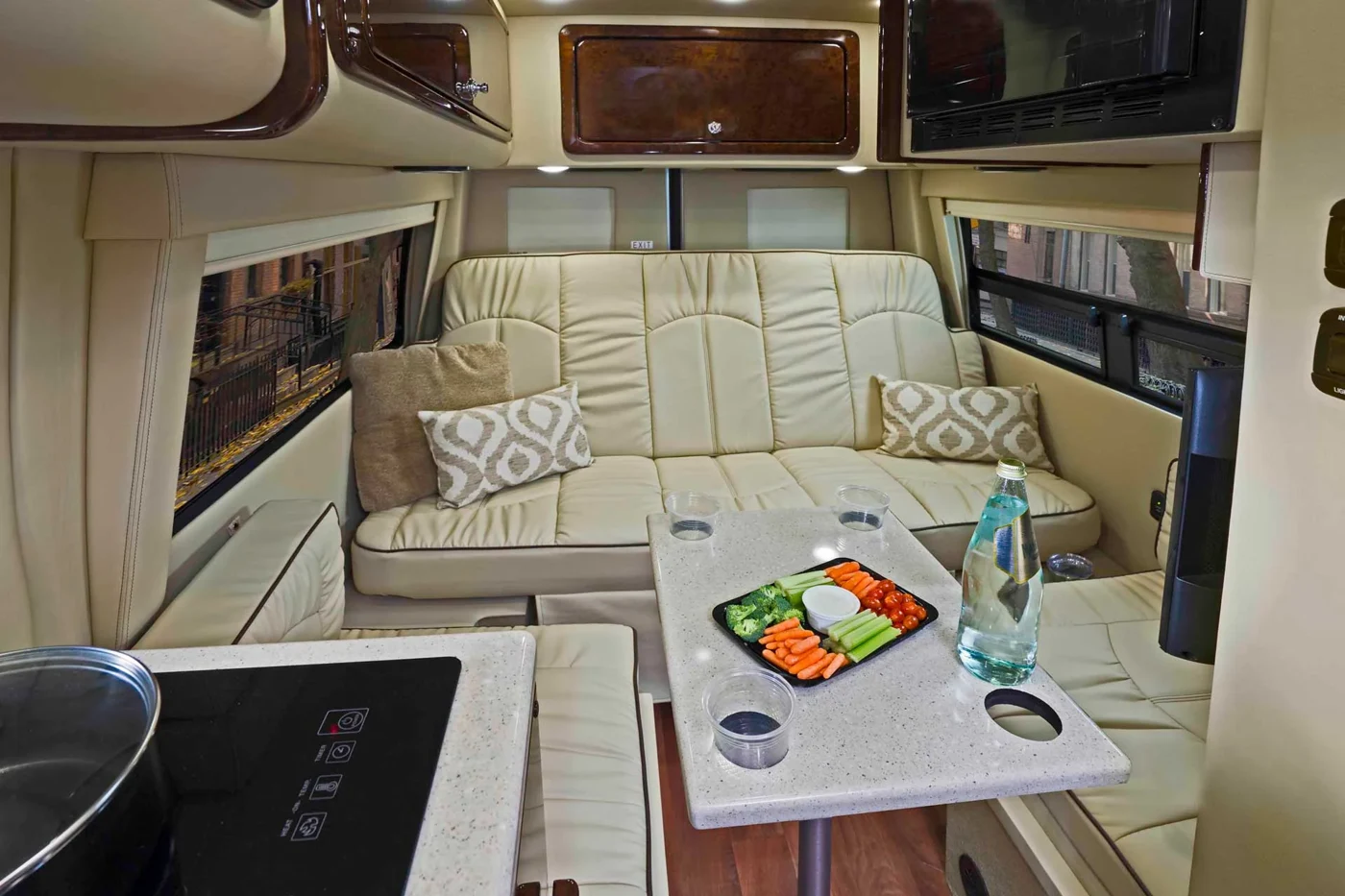
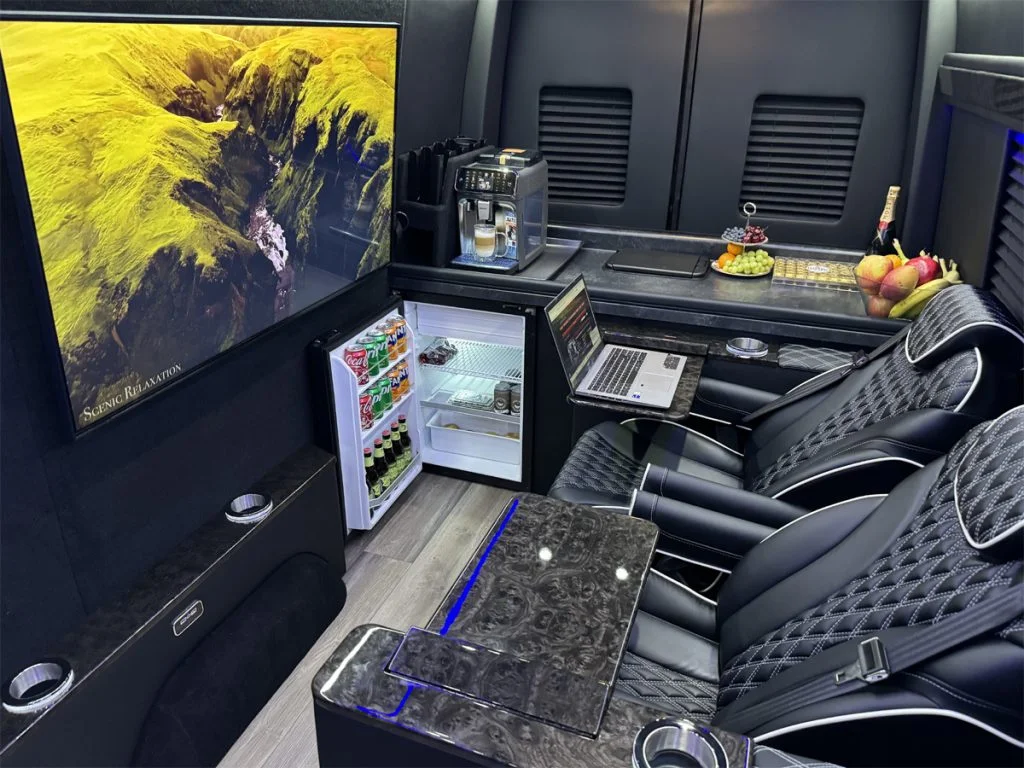
A kitchen can look complete in a sales photograph and still be awkward at breakfast. The useful question is what happens when one person prepares food while another wants coffee, a seat or access to the refrigerator. Before choosing a luxury Sprinter, walk through a meal you actually make. A simple routine reveals more than a count of appliances.
Bring a short list: your usual pan, a cutting board, two plates, coffee equipment and the groceries for one dinner. Ask permission before bringing equipment into a demonstration vehicle, and arrange any powered demonstration with the seller. You are checking how the space works, not testing its limits.
Start with the way you eat
Write down three ordinary meals for a travel day. Perhaps breakfast is coffee and toast, lunch is a sandwich, and dinner is pasta with a refrigerated sauce. Beside each meal, list the surface, appliance, water and storage it needs. Someone who mostly eats out may value an easy coffee station more than a second cooking zone.
Compare the same routine in each van. If the sink cover is also your only preparation surface, note when it must move and where it can safely be stored. If opening the refrigerator blocks the aisle, decide whether that interruption will matter with your usual passengers aboard.
Measure usable space with the doors open
Ask to see the galley in its working arrangement, with drawers and appliance doors open. Check where a cutting board fits, where clean plates wait and where cooled cookware can be placed without damaging a finish. Do not count a covered sink or cooktop as permanent counter space: you lose that surface when the appliance is in use.
Walk from the kitchen to the table. Can a seated companion move without crossing the cooking area? Can you reach the sink without stretching over a hot pan? Photograph the arrangement with the seller’s permission and mark any pinch point on your comparison sheet. Keep exits and the aisle clear.
Identify the actual appliances and supply
Record the cooktop and microwave model numbers rather than relying on a brochure description. Ask which appliances work on shore power, which can run through the installed inverter, and which combinations the completed electrical system supports. A large battery label alone does not answer those questions.
Request a demonstration of the approved sequence for your meal. For example, ask whether coffee preparation and microwave use need to happen separately. Have the seller explain normal controls, warnings and shutdown, and record the answer. Do not improvise adapters or defeat a protective device to make a demonstration work.
Use the manual for the exact appliance. Lippert’s cooktop support library, for example, separates manuals by model and cooking system. It is a useful illustration of why one generic set of instructions cannot cover every galley; it does not establish that a particular van has Furrion equipment. Our shore-power guide covers the broader campground connection questions.
Check the pan, not just the burner
A compact cooking surface needs compatible cookware with the dimensions and clearances its manufacturer specifies. Ask the seller to show which pan fits with its handle in a usable position. For an induction installation, check the appliance’s cookware requirements before buying a nesting set. The right material is only part of the fit; the base and overall size matter too.
Ask where ventilation openings are located and what must remain clear. Keep towels, packaging and loose belongings away from cooking equipment. A portable appliance should only be used in a location and manner approved by its manufacturer and the vehicle converter. Outdoor-only cooking equipment stays outdoors.
Finish the walkthrough with washing and storage
Imagine the meal is over. Where do used plates go while you wash the pan? Is the faucet easy to use without splashing the nearby seating? Where will the drying cloth hang, and where does rubbish belong until the next proper disposal stop? These small questions often separate a convenient galley from one that needs constant rearranging.
Then pack everything for travel with the seller’s help. Check the designated storage and latches, not merely whether a cupboard can swallow the equipment. Loose utensils, cookware and countertop appliances need suitable travel storage. Make a separate list of anything that must cool before it can be put away.
Leave with a useful comparison
For each van, keep one page showing the meal sequence, appliance models, power arrangement, usable preparation space and storage compromises. Add unresolved questions for AutoElite beside the exact vehicle listing. A smaller kitchen that supports your daily routine may be the better choice; the walkthrough gives you a concrete reason for that decision.
Sources checked November 26, 2026. Recheck current travel conditions and the equipment, labels and manuals for your specific completed vehicle.