







Everyday ownership
A clear windshield at the driveway is only the beginning of a winter trip. Road spray, low sun and changing temperatures can expose a weak washer system or an unfamiliar defrost control after you are already moving. Give the driving area of your Sprinter its own parked check before departure, separate from the comfort systems in the converted cabin.
This is a preparation routine, not a repair procedure or a reason to travel in unsafe conditions. If the glass will not clear, a wiper is damaged or a warning remains, resolve it before setting off. Build enough time into the morning that delaying the trip remains an easy choice.
Find the instructions for your chassis
Use the VIN and model year to identify the correct manual in the Mercedes-Benz Vans owner-manual library. Keep a copy available offline. Mark the sections for windshield wiping and washing, climate control, cleaning and any fitted driver-assistance equipment.
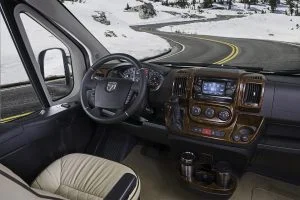
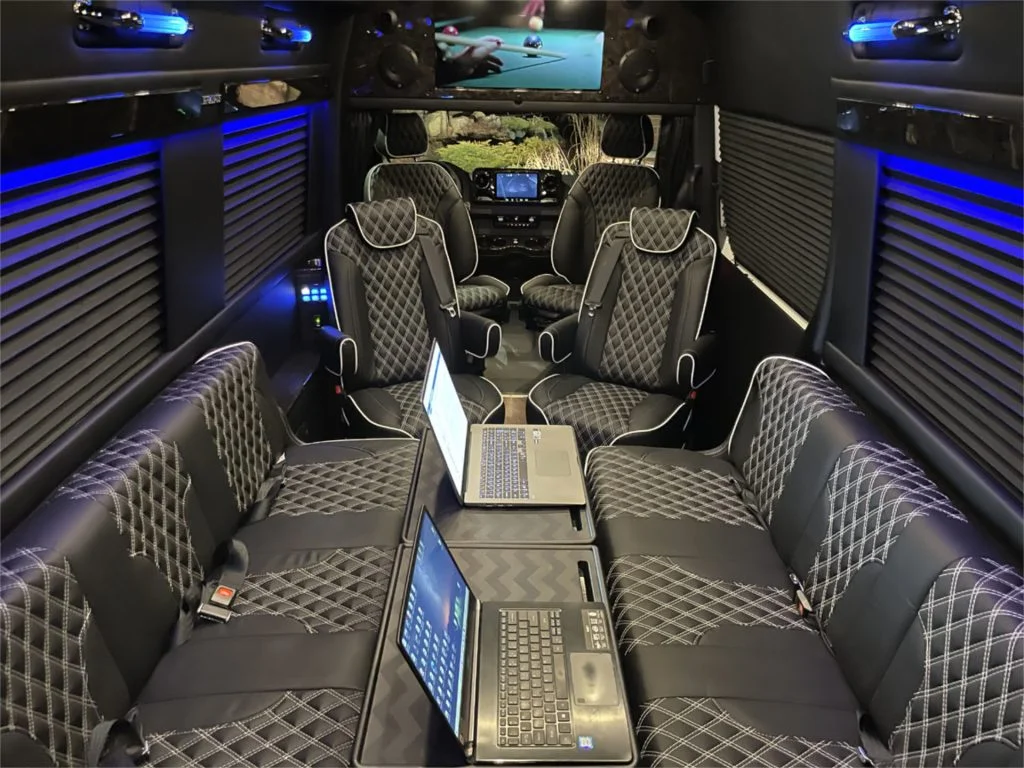
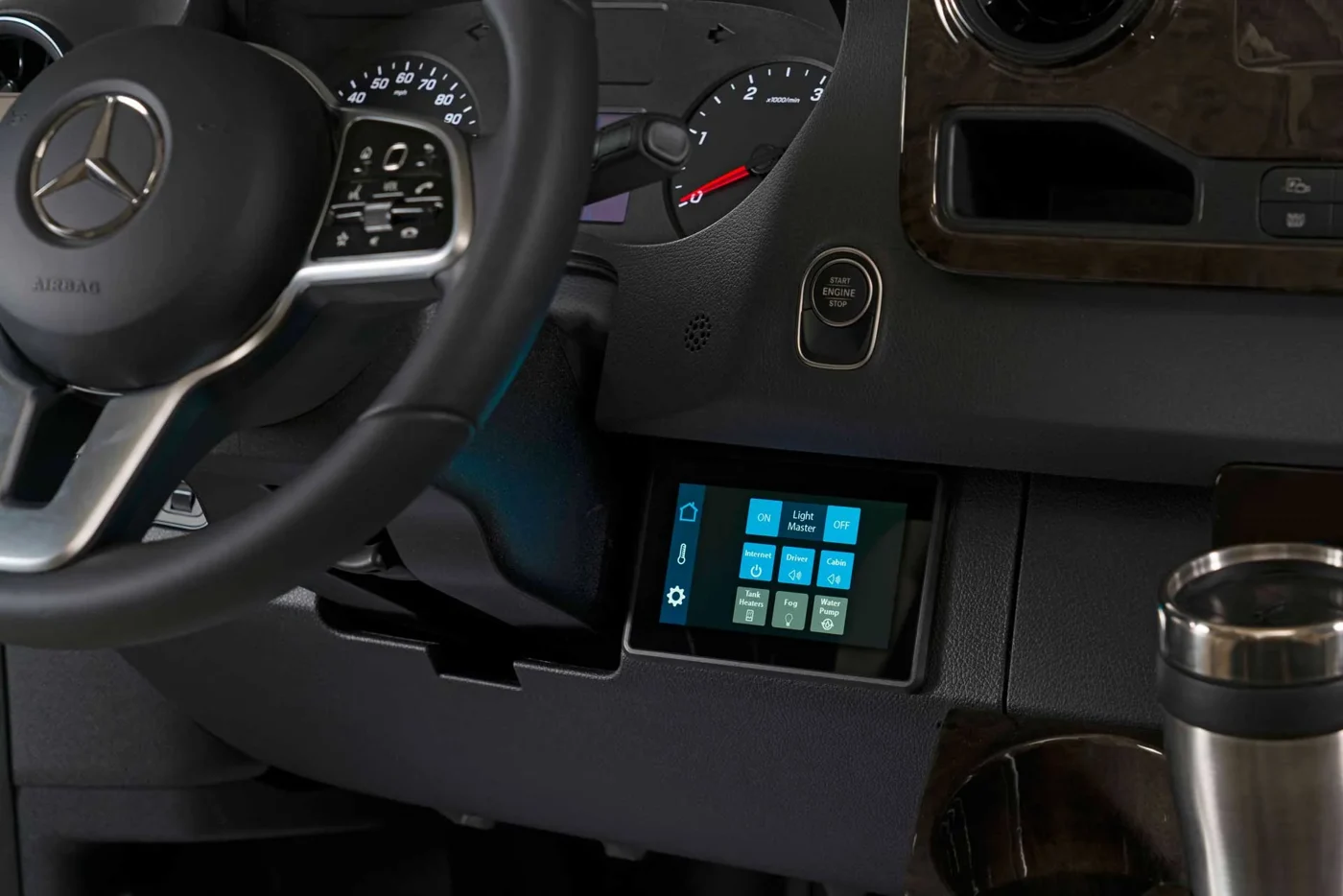
A conversion may add a separate screen for cabin lighting, pumps or heating. That screen does not necessarily control windshield defrosting. Ask the seller to demonstrate the driving-area functions and write down which controls belong to the chassis and which belong to the conversion. This is particularly useful when more than one person will drive.
Check washer fluid before the weather changes
NHTSA’s winter-driving guidance recommends keeping the washer reservoir filled with winter fluid, inspecting the wipers and checking the defrosters. Choose fluid suitable for the expected temperatures and consistent with the vehicle manual. Read the product label rather than assuming that every bottle on a service-station shelf provides the same freeze protection.
When buying a used van, ask what is already in the reservoir. If the contents or concentration are uncertain, have a qualified service provider advise on correcting it. Merely adding a little different fluid does not prove the resulting mixture has the protection printed on the new bottle.
With the vehicle safely parked, the glass clear of ice and the manual’s operating conditions met, check that washing reaches the windshield and the blades clear it properly. Record streaks, skipping, weak spray or unusual noise for service. Do not keep operating a frozen or obstructed mechanism to see whether it frees itself.
Look through the glass from the driving seat
Set the seat and mirrors as you would for the journey. Inspect the view through the windshield and side windows in daylight, including the areas that catch low sun. Interior film, streaks and marks that disappear in shade can be distracting when the light changes.
Use cleaning products and methods approved for the glass, tint and nearby finishes. Keep any cleaning cloths separate from those used on tires or exterior grime. For a chip, crack or persistent optical distortion, ask a qualified glass specialist what the particular vehicle needs. Camera-related requirements should be checked against the actual fitted equipment, not guessed from another Sprinter.
Demonstrate defrosting while parked
Find the windshield defrost setting, fan control and relevant air-distribution controls before you need them. Ask the seller or service adviser to explain the normal procedure for the fitted system, including how to return to your usual settings. Do not block the windshield vents with papers, bags or a dash cover.
Make sure each driver can locate the controls without searching through menus. If the windshield does not clear normally, arrange service. A warm passenger cabin is not evidence that the front defrost system is working correctly, and a cloth passed over one patch of glass is not a substitute for a clear view.
Plan how to clear a tall vehicle
Before a snowy overnight stop, think through how you will safely remove snow and ice from the van. A high roof and added equipment make access different from a passenger car. Ask the converter about appropriate tools and surfaces; do not climb on equipment or use improvised footing. Choose a departure plan that does not depend on reaching an unsafe spot.
Keep the needed supplies accessible without unloading the entire rear compartment. Store washer fluid securely according to its label. Leave room in the schedule to clear the windows, mirrors, lights and other affected areas fully, and check current route and weather information before deciding to drive.
Give both drivers the same departure check
Keep a short card with the manual location, suitable washer-fluid details, the defrost controls and any unresolved service issue. Before leaving, confirm a clear view, working washers and wipers, and an unobstructed driving area. For moisture building up during overnight stays, use our separate cabin-condensation guide. The parked living routine and the driver’s visibility check deserve their own attention.
Sources checked November 26, 2026. Recheck current travel conditions and the equipment, labels and manuals for your specific completed vehicle.