




Buying & ownership

A Sprinter that carries eight people does not necessarily sleep eight. Before comparing finishes or televisions, separate three questions: who rides, who stays overnight, and what has to move when the cabin becomes a bedroom.
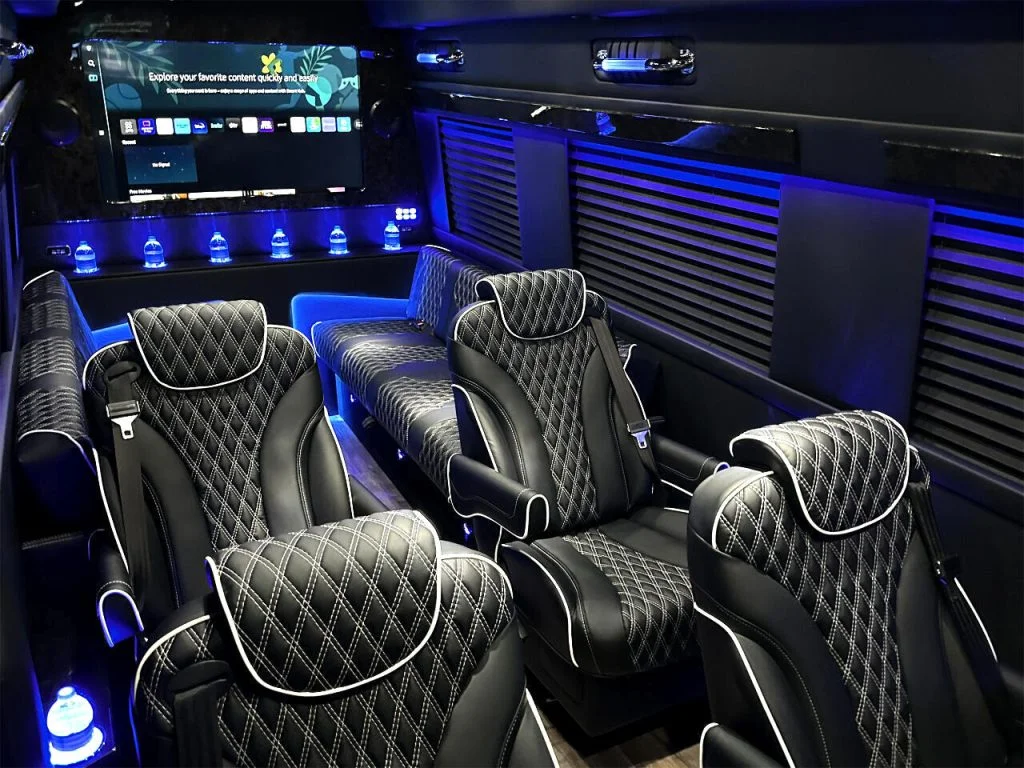
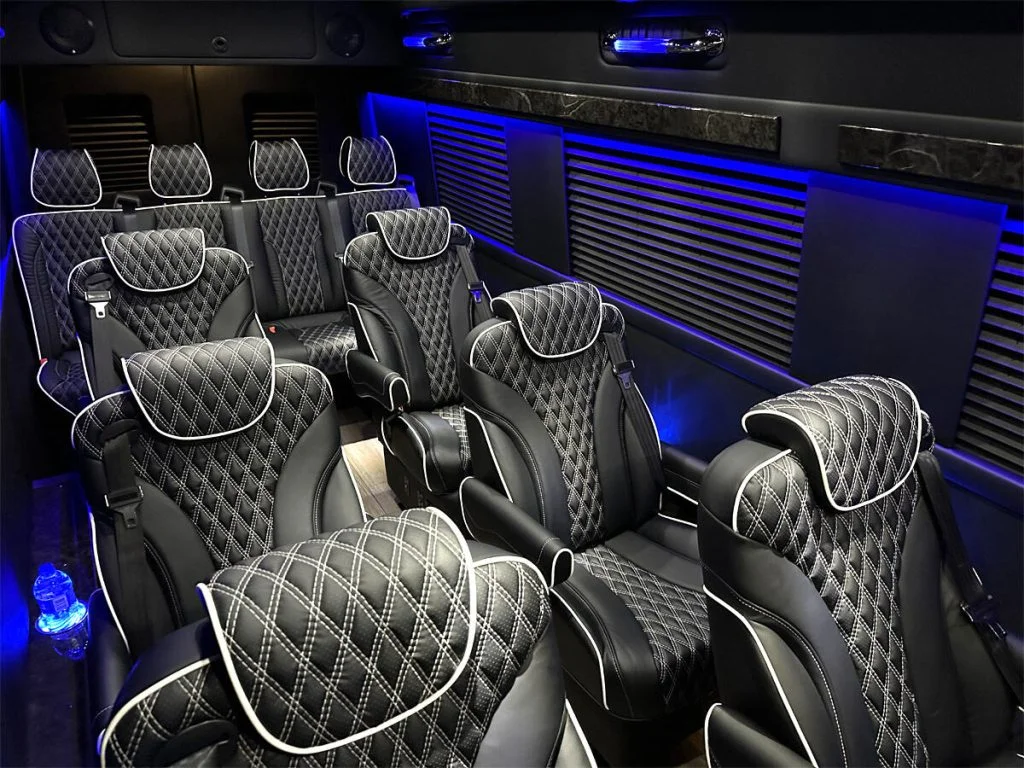
A convertible lounge can make one van useful for business trips, family travel and occasional camping. The right layout depends on how you use those modes. A couple sleeping aboard for a week has different needs from a group riding to dinner and returning to a hotel. Start with that distinction and the showroom choices become easier to judge.
Write down passengers and overnight guests separately
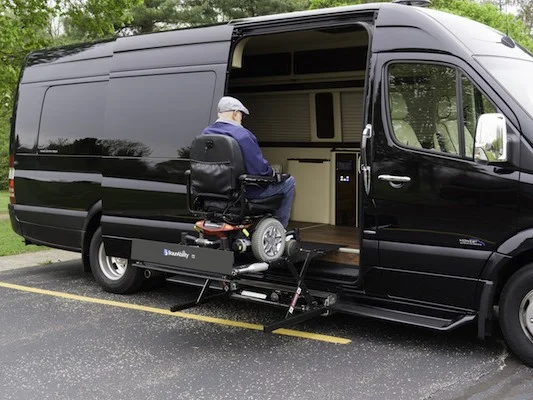
Make two lists for your most common trip. The first names everyone who travels in the van. The second names everyone who sleeps in it while parked. Add the bags, mobility needs and personal space each person needs. Use your ordinary weekend as the baseline; then test the occasional trip that brings extra guests.
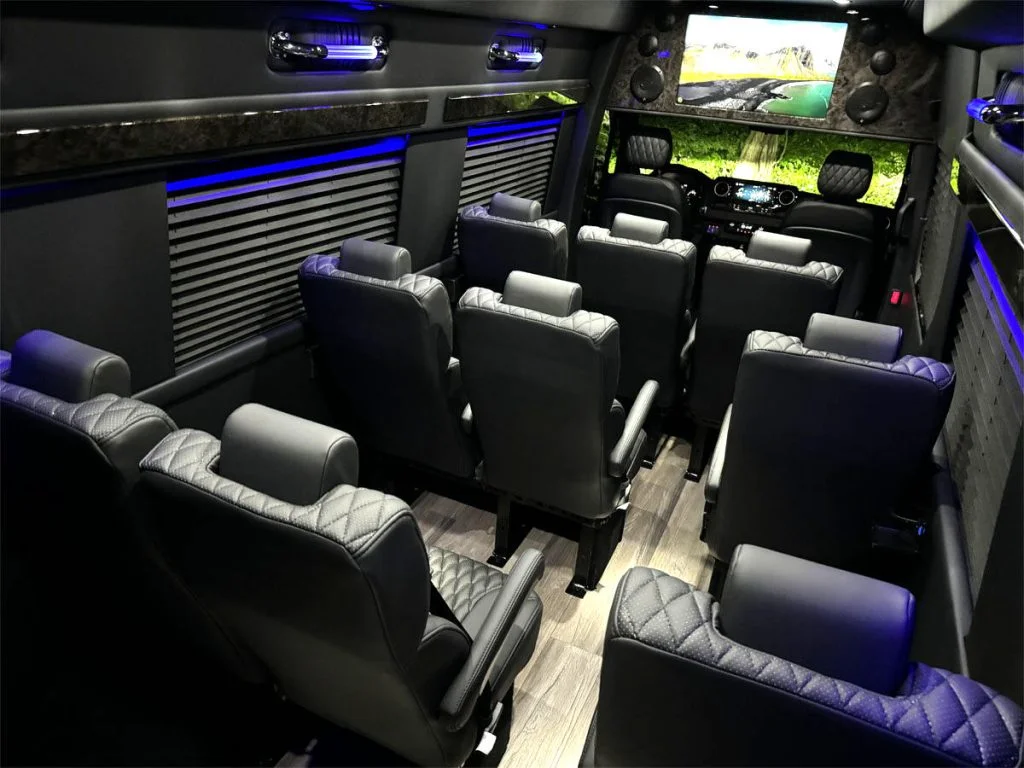
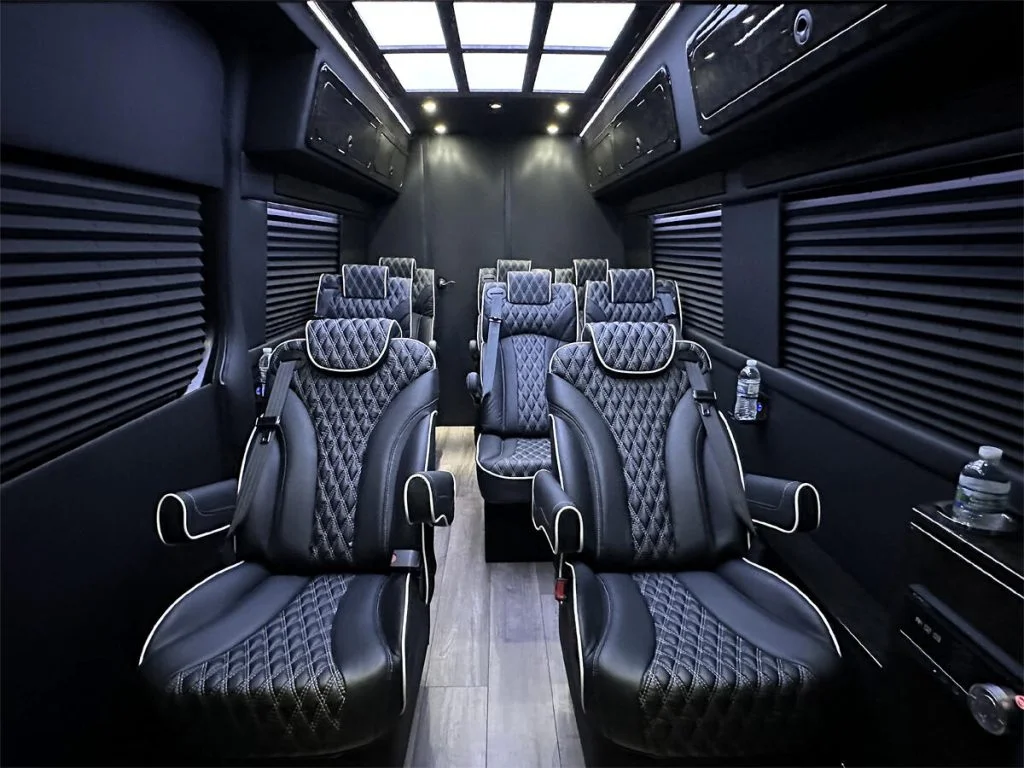
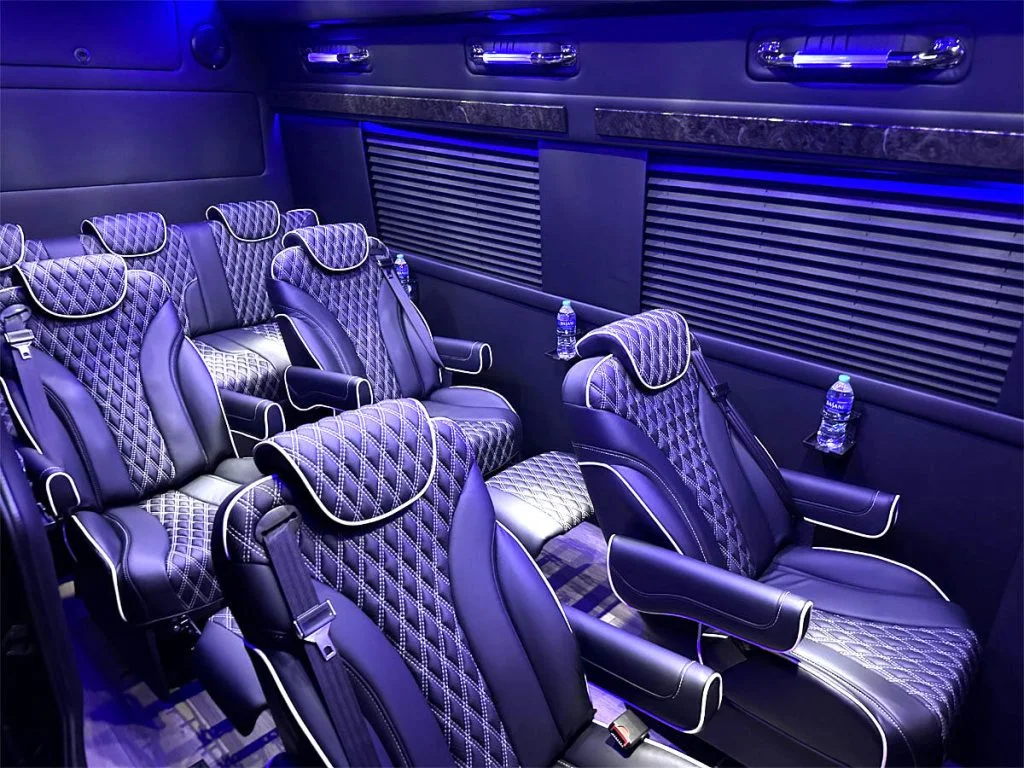
Ask the seller to identify the designated travel seating positions in the exact finished vehicle and demonstrate their restraints. Do not count a cushion, an open floor area or a bed as a passenger position. Check the chassis and conversion instructions for seat orientation and travel configuration. The Mercedes-Benz manual library is a starting point for the chassis; ask for the separate documentation covering the installed coach seating.
When children will travel, have the suitability of the specific seating positions and child restraints confirmed before choosing the van. A floor-plan drawing cannot settle that question.
Compare a made-up bed with the lounge you use all day
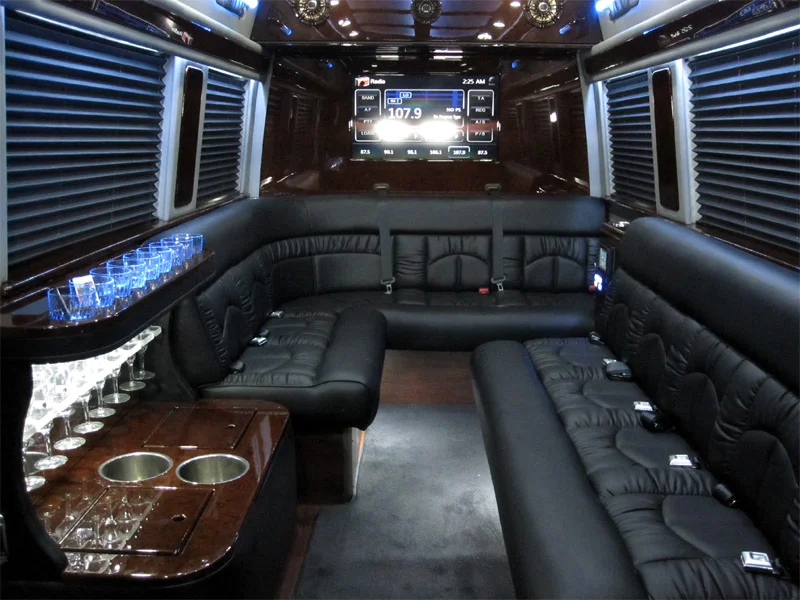
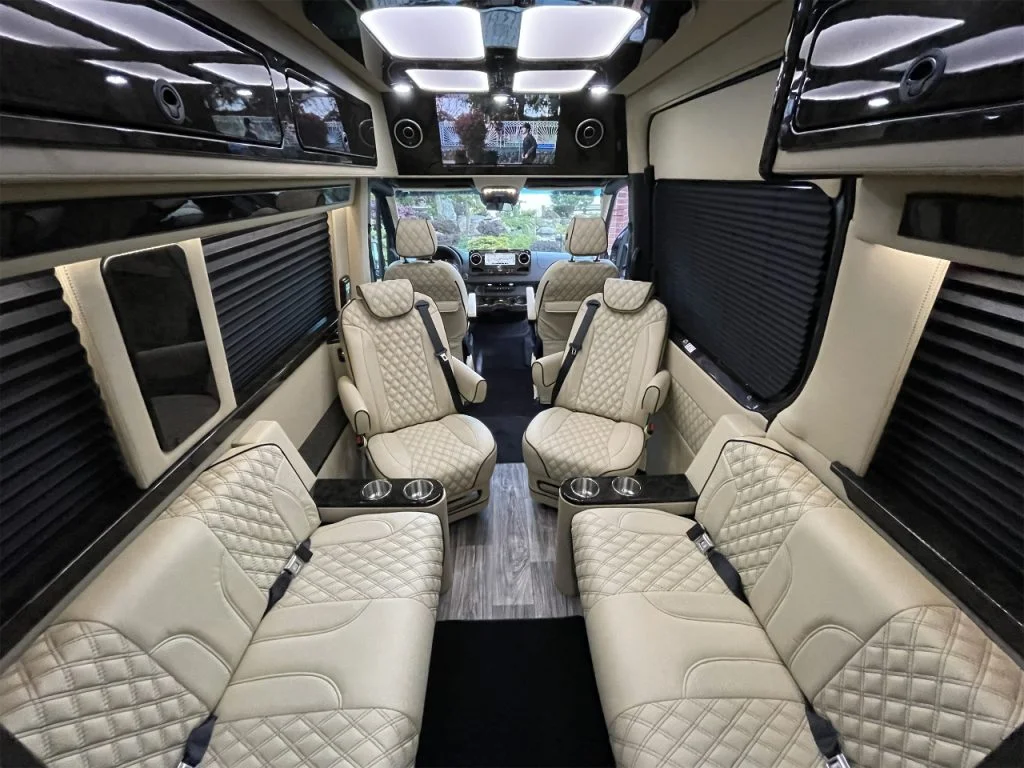
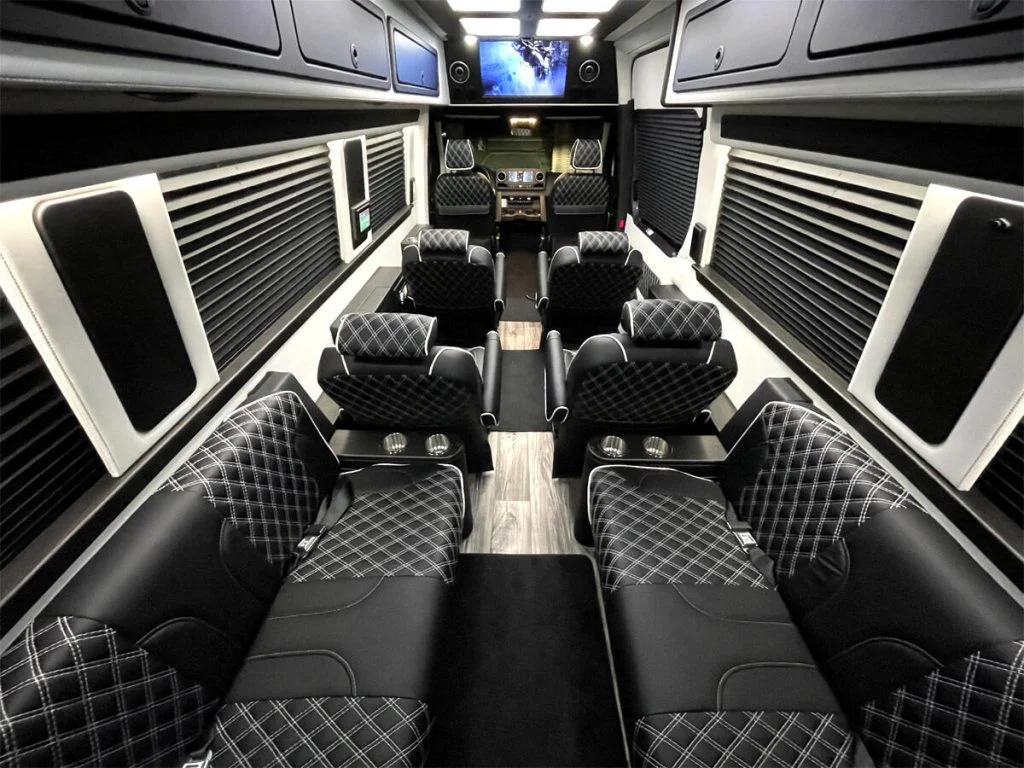
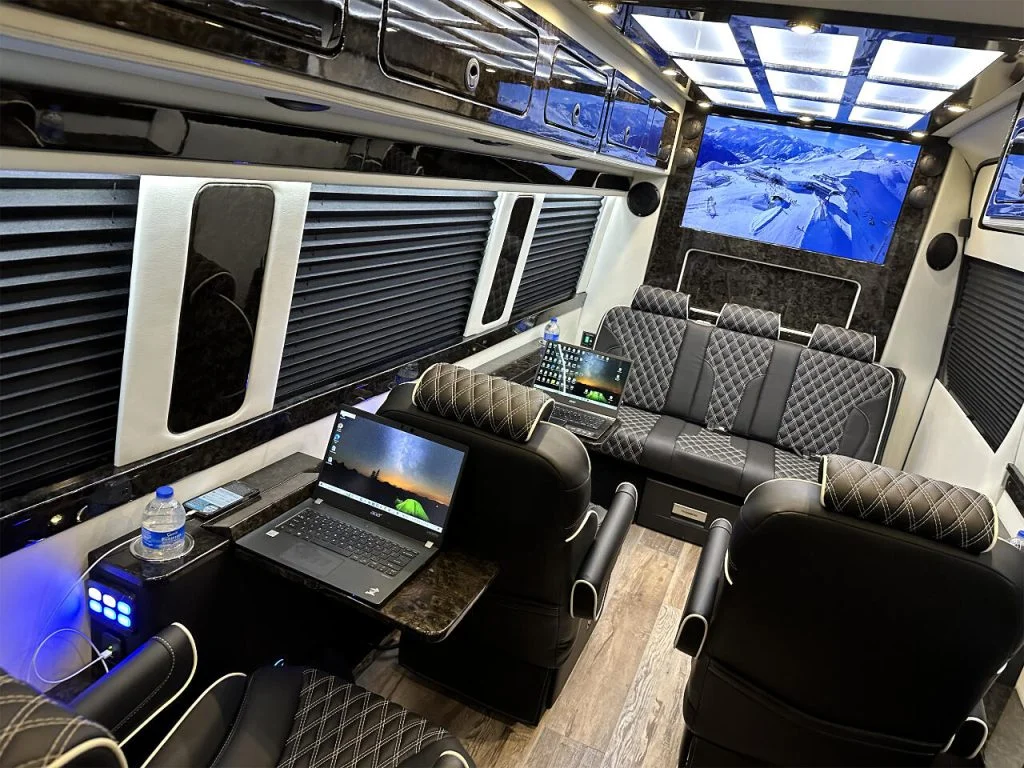
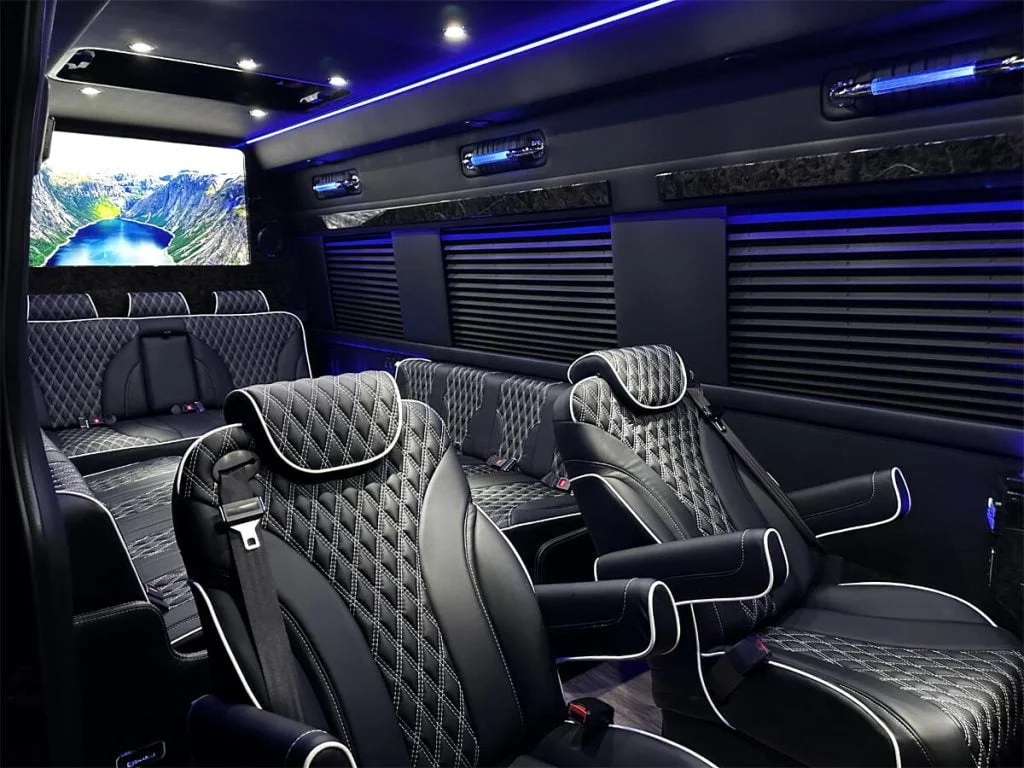
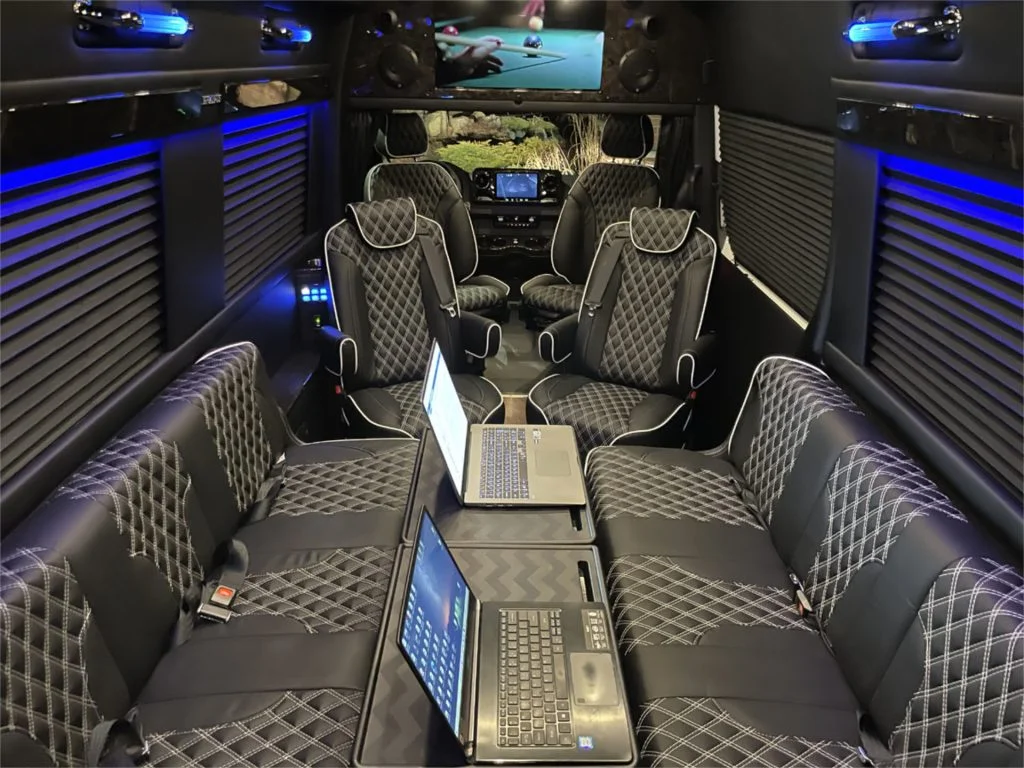
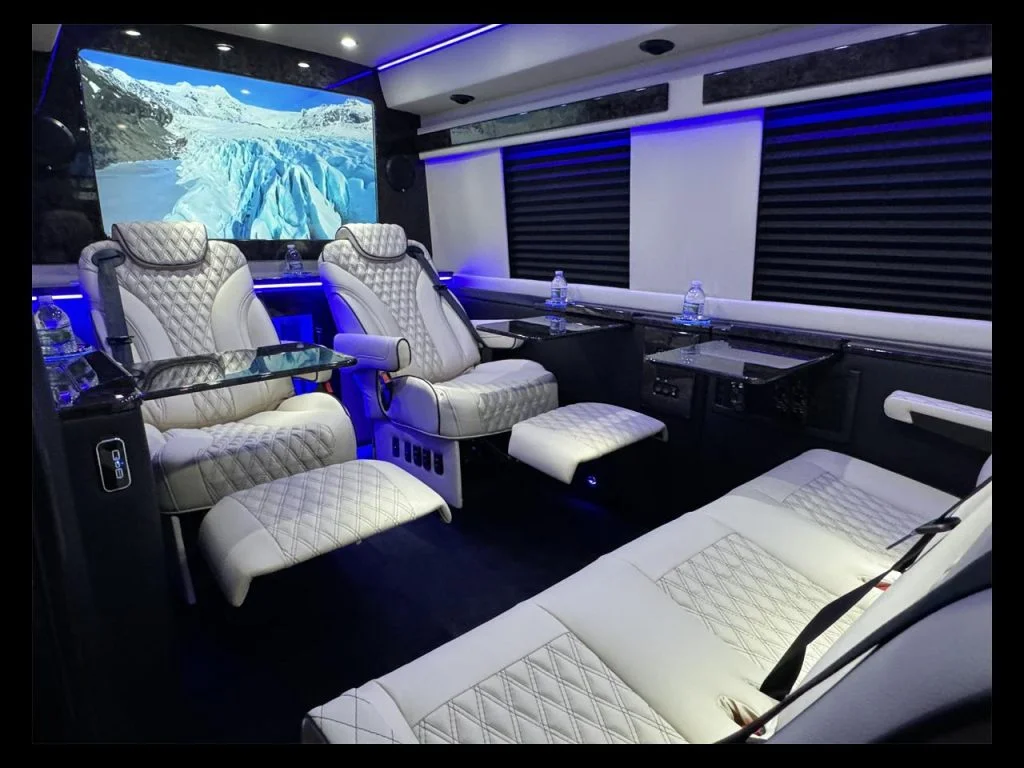
AutoElite's Elite Cruiser overview describes two sofas that convert into a bed and a table that can serve dining or work. That illustrates the appeal of a convertible cabin. It does not establish the dimensions or sleeping capacity of every available vehicle; request the build sheet for the one you are considering.
During a viewing, ask to see the entire conversion from seating to sleeping and back. Where does the table go? Are filler cushions separate? Does bedding fit in a cabinet, or will it occupy your luggage space during the day? Try the steps yourself after the demonstration. A setup that feels easy once may feel different when you repeat it every evening.
For frequent overnight trips, consider how much of the living area you are willing to give up to a bed. For occasional stays, retaining comfortable daytime seating may matter more. Neither preference needs to be justified by a larger passenger number.
Measure the usable sleeping surface
Bring a tape measure and record the length and width between the actual obstructions. Check the narrowest part near cabinetry or armrests, rather than measuring only across the widest cushions. Ask permission to lie down in your usual sleeping position, with shoes removed. Pay attention to cushion seams, changes in height and shoulder room.
If you plan to add a mattress topper, include it in the storage exercise. Record its folded size and decide where it travels. Check whether fitted sheets work with the shape of the sleeping surface. Those small practical details often tell you more than a description such as “large bed.”
Walk through the cabin with the bed open
Have one person stay on the bed while the other tries the normal evening routine. Can you reach drinking water, the refrigerator and the bathroom? Can you open the wardrobe without moving pillows? Is there a sensible place for glasses, a phone and the next morning's clothes?
Ask the seller to demonstrate the designated exits in both configurations. Do not let bags or bedding become permanent obstacles. Check the privacy shades with the cabin lights on, and ask which ventilation and climate systems operate while parked. Sleeping space alone does not establish overnight comfort; our battery air-conditioning guide explains the separate power questions.
Bring the luggage into the decision
Use your own carry-on cases, or their measured dimensions, during the viewing. Repeat the storage check with the bed deployed. If bags must move into the aisle each night, decide whether that arrangement actually suits your trip. Also check the completed vehicle's loading limits; the payload and luggage guide covers weight separately from physical space.
Finish with a written comparison for each candidate: confirmed travel positions, measured bed dimensions, setup steps, bedding storage, nighttime access and parked climate equipment. Send that list to AutoElite with your usual passenger count and overnight plans. It gives the conversation a practical starting point and helps you choose a cabin you will enjoy using after the showroom tour ends.
Sources checked October 1, 2026. Recheck current travel conditions and the equipment, labels and manuals for your specific completed vehicle.