

Buying & ownership
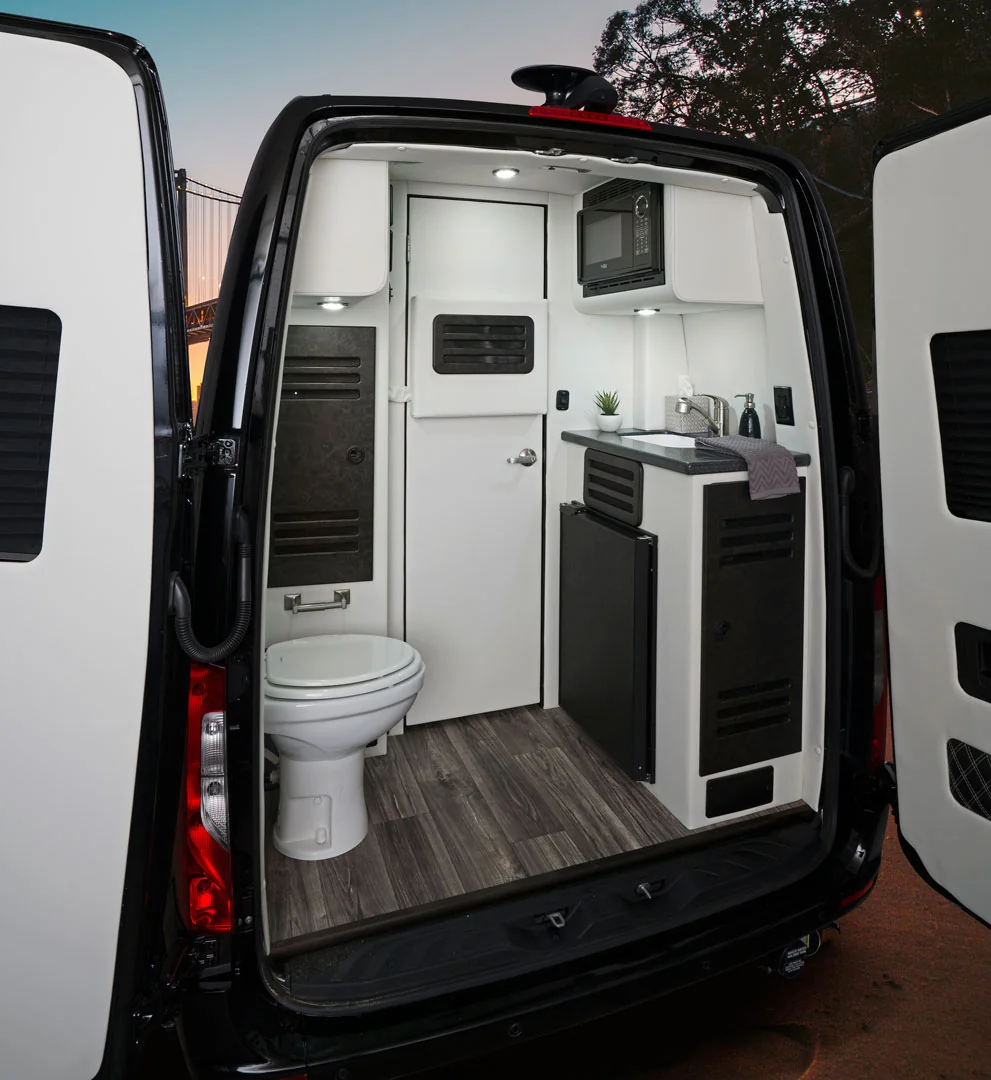
A private toilet can make a long driving day easier. An onboard shower supports a different kind of trip. Before choosing a luxury Sprinter bathroom, decide which problem you need it to solve—and what space and upkeep you are willing to give it.
Separate a toilet compartment from a wet bath
Read the equipment list instead of relying on the word “bathroom.” A toilet-only compartment may have privacy and a sink without a shower. A wet bath combines showering and toilet space in a compartment designed to get wet. An exterior shower connection is a separate feature; it does not provide an enclosed indoor shower.
Floor plans and equipment vary. Midwest Automotive Designs describes water and utility systems as model-dependent, including features offered on selected RV models. That is a reason to verify the exact van’s build sheet, not to assume that every Sprinter conversion has tanks, a water heater or the same bathroom arrangement.
Plan an ordinary day, not just the longest vacation
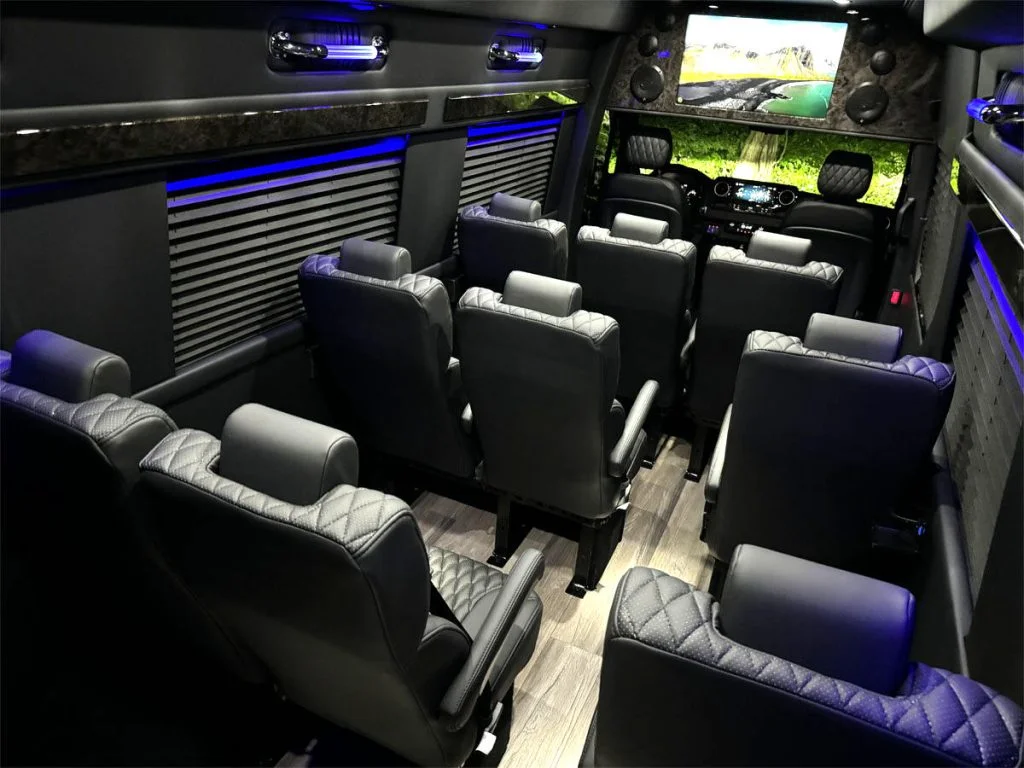
Write out a typical trip from departure to bedtime. If most journeys end at a hotel, you may want a private toilet during stops while using the hotel for showers. If you routinely stay at campsites without convenient bathhouses, an indoor shower may have a much larger role. If the van mostly carries a group to events, compare the bathroom’s benefit with the seating and baggage room it occupies.
For each stop, identify where you expect to use a toilet, wash and empty waste. The answer does not have to be the van every time. Our campsite booking guide can help you check the facilities at an overnight destination before choosing equipment around an assumption.
Try the compartment with the door closed
During a parked walkthrough, step inside and close the door. Check headroom, shoulder room, access to controls and whether you can use the space comfortably. For a shower, ask to see where the curtain or screen sits and how the enclosure keeps water away from cabinetry and upholstery.
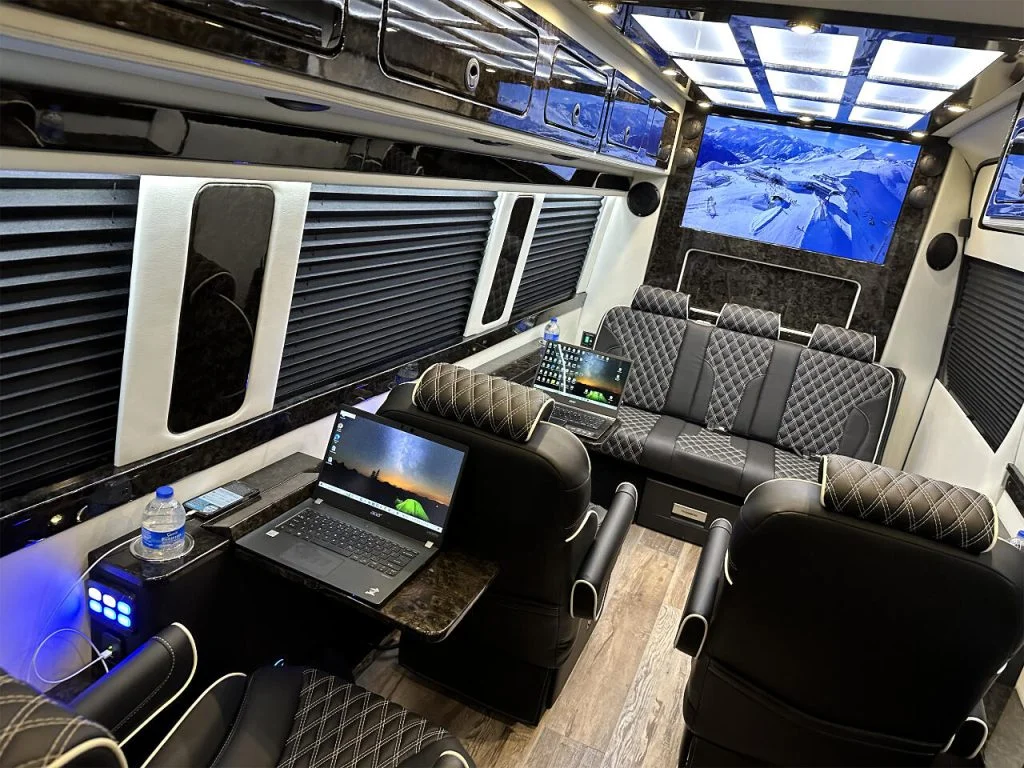
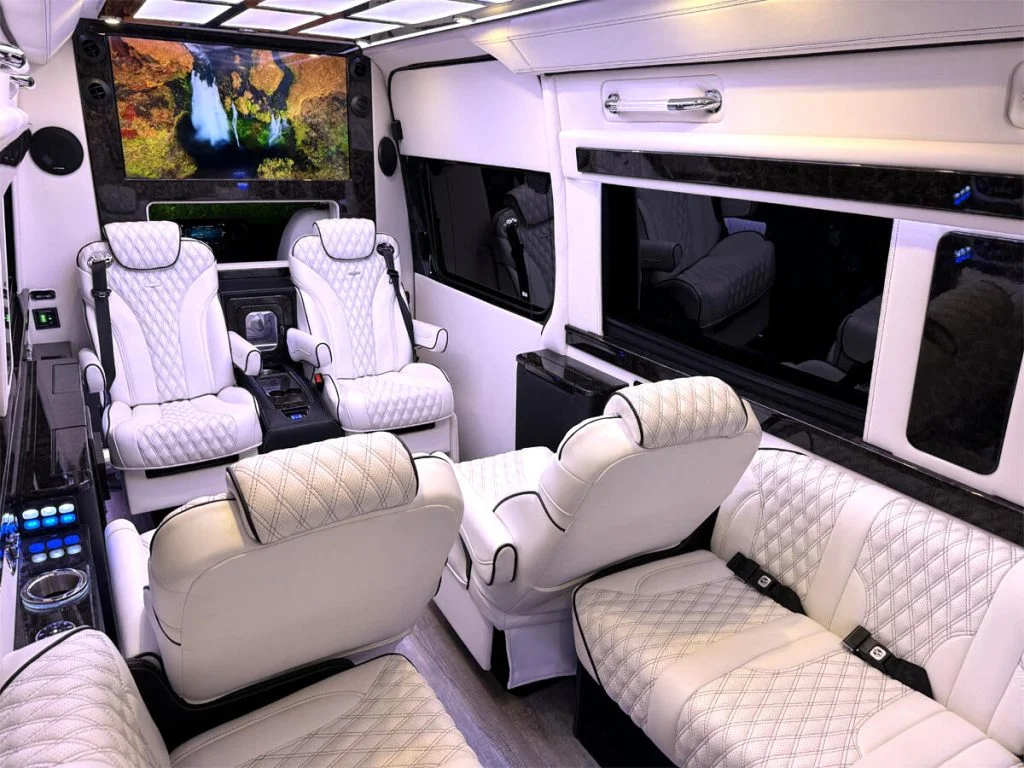
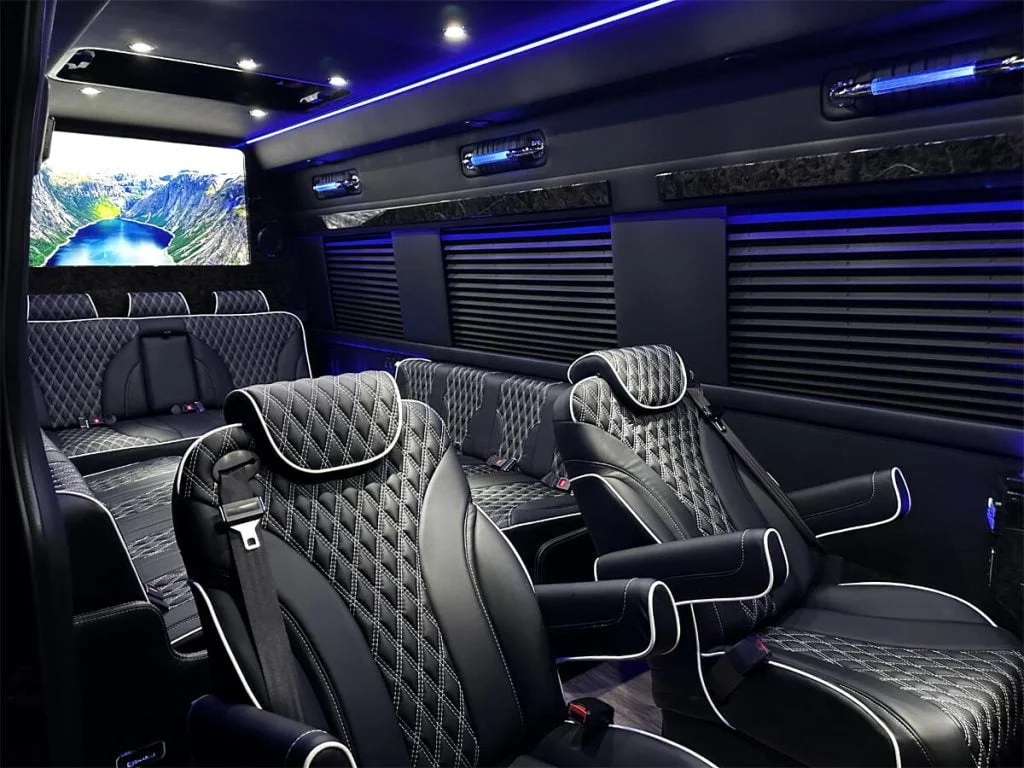
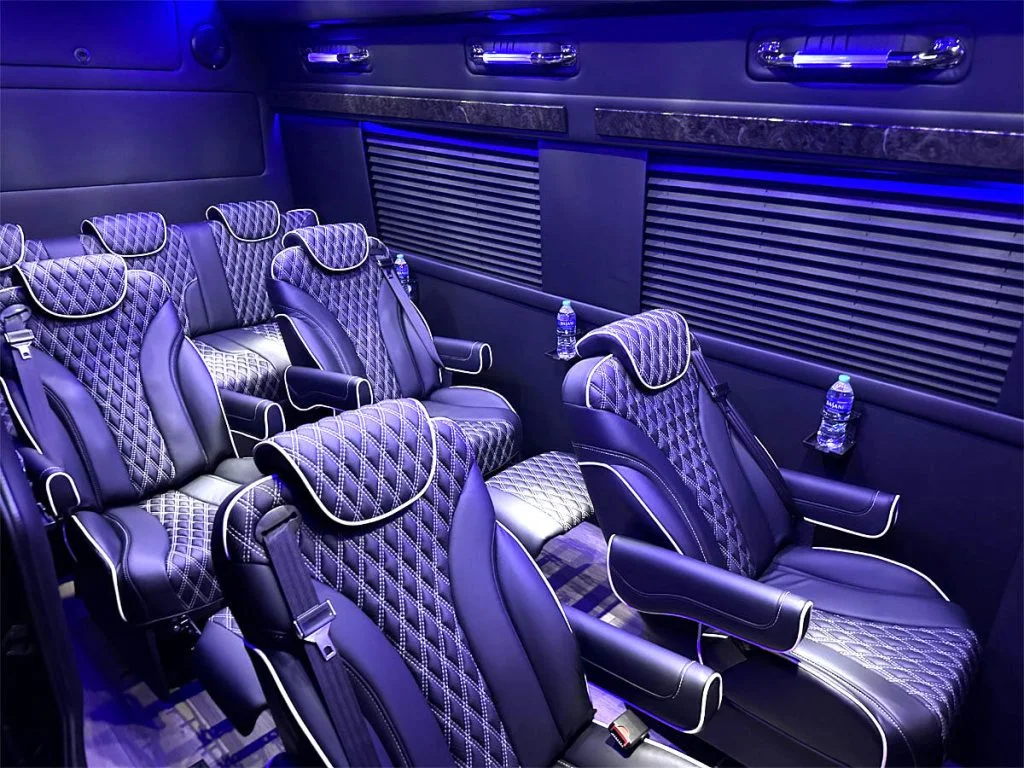
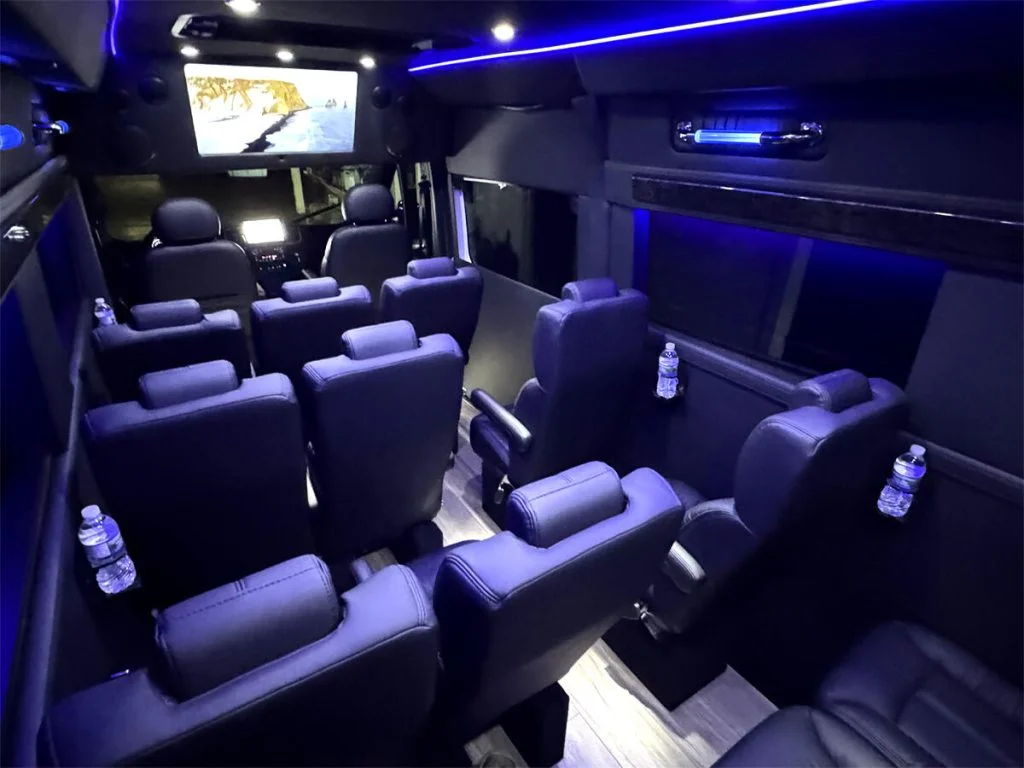
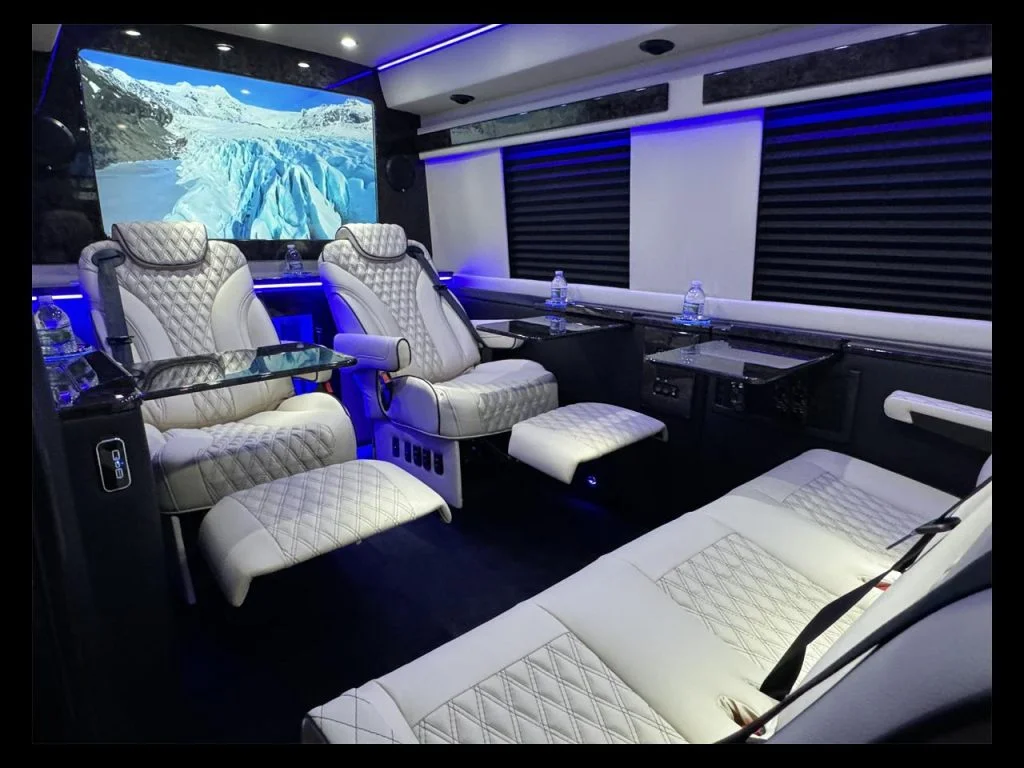
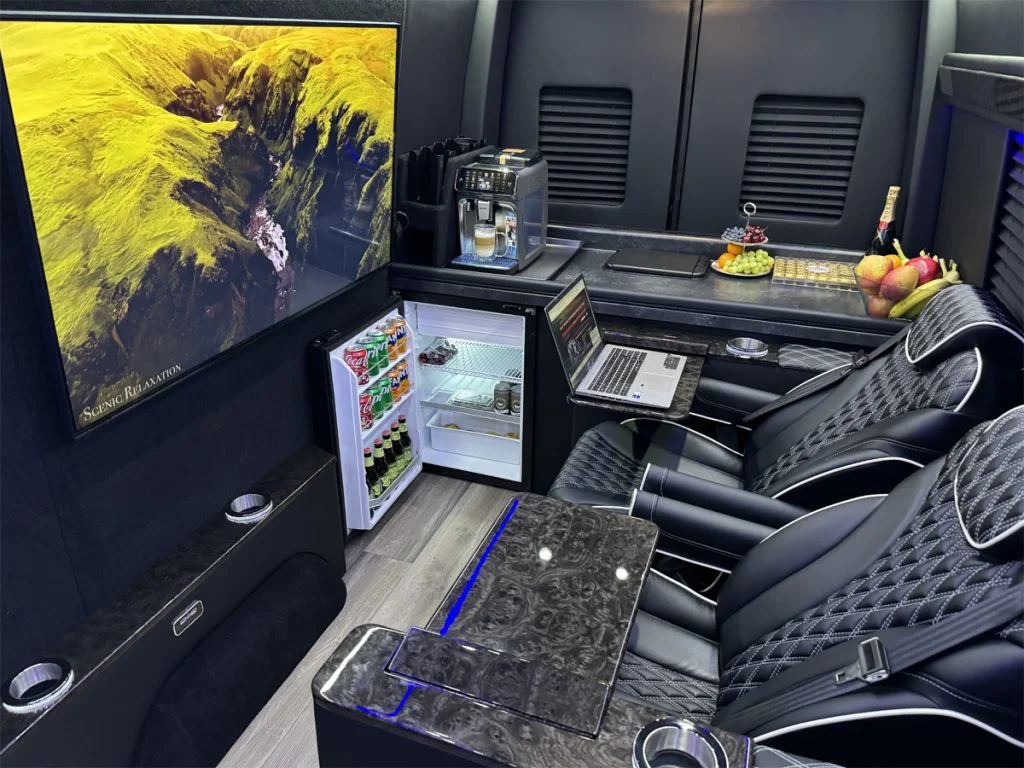
Then configure the rest of the cabin as you would use it. Recline the nearby seat or set up the bed with the seller’s help. Can another traveler reach the bathroom? Does the door block the aisle? Where will towels and toiletries go? An attractive photo usually shows the compartment with the door open and the cabin empty; your trip will not always look like that.
Ask how water and waste are handled
Have the seller identify the installed toilet type and explain its approved emptying process. Ask for the actual fresh-water and waste capacities, fill point, drain locations and instructions. Different toilet designs require different routines; do not assume there is a conventional black tank because a toilet is visible.
For a shower-equipped van, add questions about the water heater, pump, drainage and ventilation. Ask which power sources the heater needs and what must be checked before operating it. Request the applicable manuals and a demonstration instead of accepting a generic description of how RV showers work.
Water capacity alone does not promise a certain number of showers. Duration, flow and other water use change the result. A useful exercise is to describe your group’s routine and have the seller demonstrate the controls and explain how tank levels are monitored. Include the water you intend to carry when reviewing the van’s payload.
Make room for cleaning and storage care
A shower brings wet surfaces, towels and drying time into a small cabin. Check the ventilation instructions and decide where damp items can dry without resting against upholstery. Ask which cleaners are approved for the enclosure, seals and toilet; a household product is not automatically suitable for every material.
If the van will encounter freezing conditions, get the winterization procedure for the specific plumbing and appliances. Our winter storage guide explains how to organize that work. A toilet-only layout can still have water lines or tanks that need attention, so “no shower” does not mean “no winterization.”
Compare the trade you would make every week
View two candidate layouts with the same passenger and luggage needs in mind. In one, imagine the bathroom removed: what would you use that space for? In the other, imagine relying on facilities at your stops: which trips become less convenient? This makes the choice more concrete than a list of amenities.
Send AutoElite your usual passenger count, overnight arrangements and the bathroom features you consider essential. Ask to compare specific vans in current inventory, with the equipment and layout confirmed for each one. The right bathroom is the one you will comfortably use and maintain on the trips you actually take.
Sources checked September 24, 2026. Confirm the equipment, labels and manuals for your specific completed vehicle.