


Buying & ownership
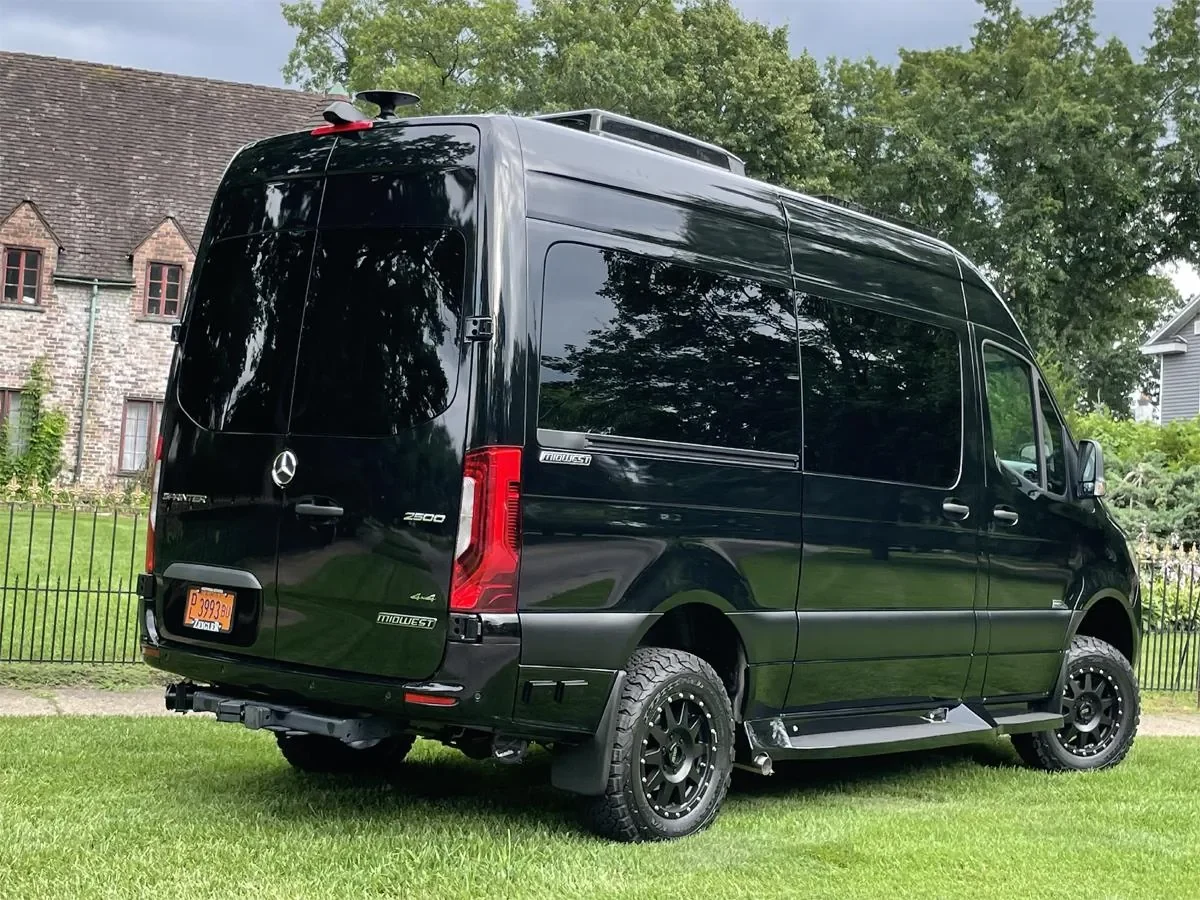
When you inspect a used luxury Sprinter, you are evaluating two things: the Mercedes-Benz vehicle and the conversion installed inside it. Low mileage and clean upholstery do not answer all the questions about either one.
Identify exactly what is being sold
Before traveling to see a van, request its VIN, chassis model year, conversion builder, conversion date and floor plan. Ask whether the advertised year describes the chassis or the coach. Save the listing and equipment list so that you can compare the claims with the vehicle in front of you.
Request photos of the vehicle labels and the identification labels on major coach equipment. A phrase such as “lithium package” is not a complete description: ask for battery model and capacity, inverter model, charging equipment and any later changes. The purpose is to establish what is installed, not to assume that a newer or larger component is automatically better.
Read records as a timeline
Ask for chassis service invoices, conversion repair records and documentation for later installations. Put them in date order. Look for a clear account of recurring faults, water intrusion, battery replacement, collision repairs and long storage periods. A maintenance stamp and an itemized invoice provide different amounts of information.
Use the Mercedes-Benz VIN recall lookup and NHTSA’s recall tool before purchase. Follow up with the appropriate dealer about open campaigns and the records for completed work. Recall results are not a substitute for a condition inspection, and NHTSA notes limits to what its VIN search displays.
Keep the chassis and conversion documents separate enough to see what each covers. Do not assume a coach repair was part of Mercedes service, or that every appliance follows the chassis warranty. Obtain any remaining warranty terms and transfer requirements in writing for this specific vehicle.
Arrange two kinds of inspection
Choose a qualified Sprinter technician for the chassis inspection and someone familiar with the conversion’s electrical, plumbing and interior systems for the coach. Sometimes one facility can do both; ask about that experience when booking. Give the inspectors the equipment list and known concerns in advance.
For the chassis, ask the technician to document the condition of the vehicle and any recommended work, rather than relying on a short test drive. For the coach, request inspection of accessible installation points, evidence of leaks, equipment condition and the operation of the installed systems. Agree on the inspection scope and any inaccessible areas before paying for it.
Get the correct Mercedes-Benz owner’s manual and the converter’s manuals. An inspection report that identifies an equipment model and a specific fault is actionable. “Everything seems fine” is much harder to use.
Demonstrate the cabin in more than one power mode
A van plugged into a showroom outlet can hide questions about what works away from shore power. Ask the seller to demonstrate the documented power modes safely, using the equipment’s normal controls. Record which outlets and appliances work in each mode, what the battery monitor shows, and which cooling system serves the rear cabin.
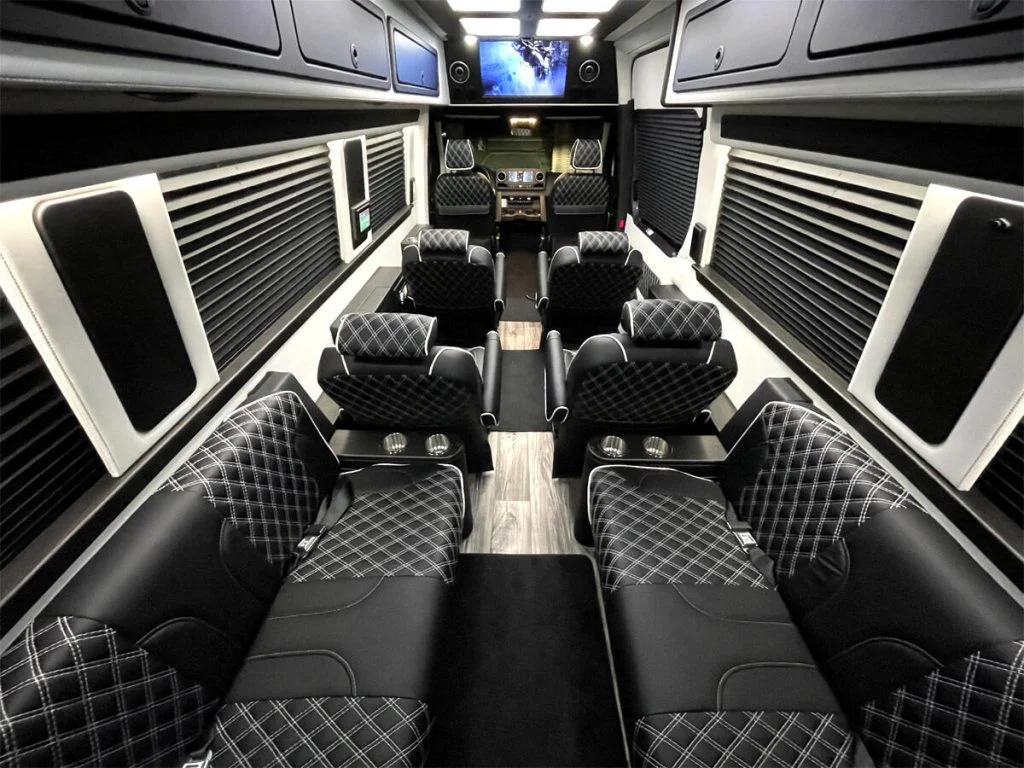
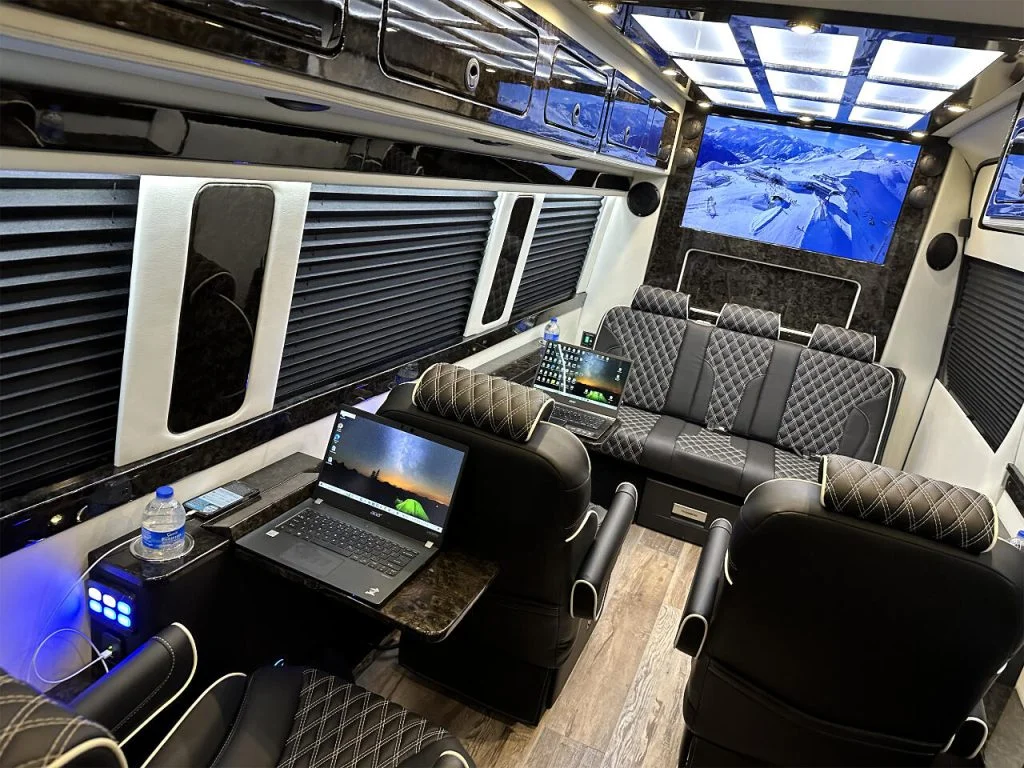
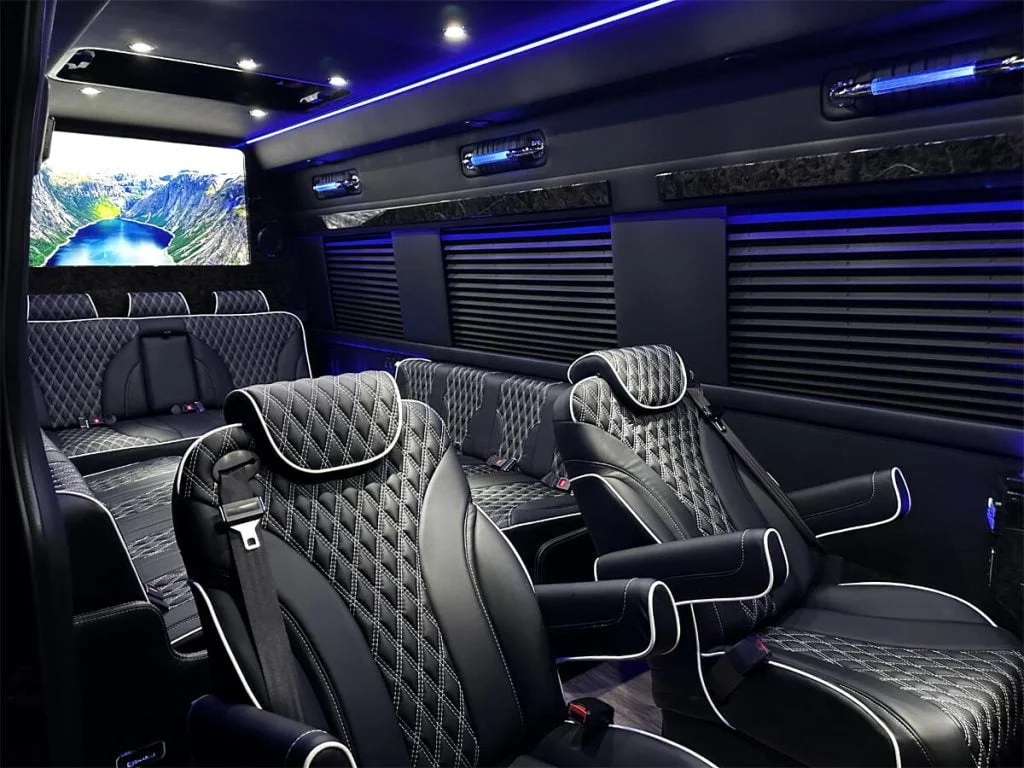
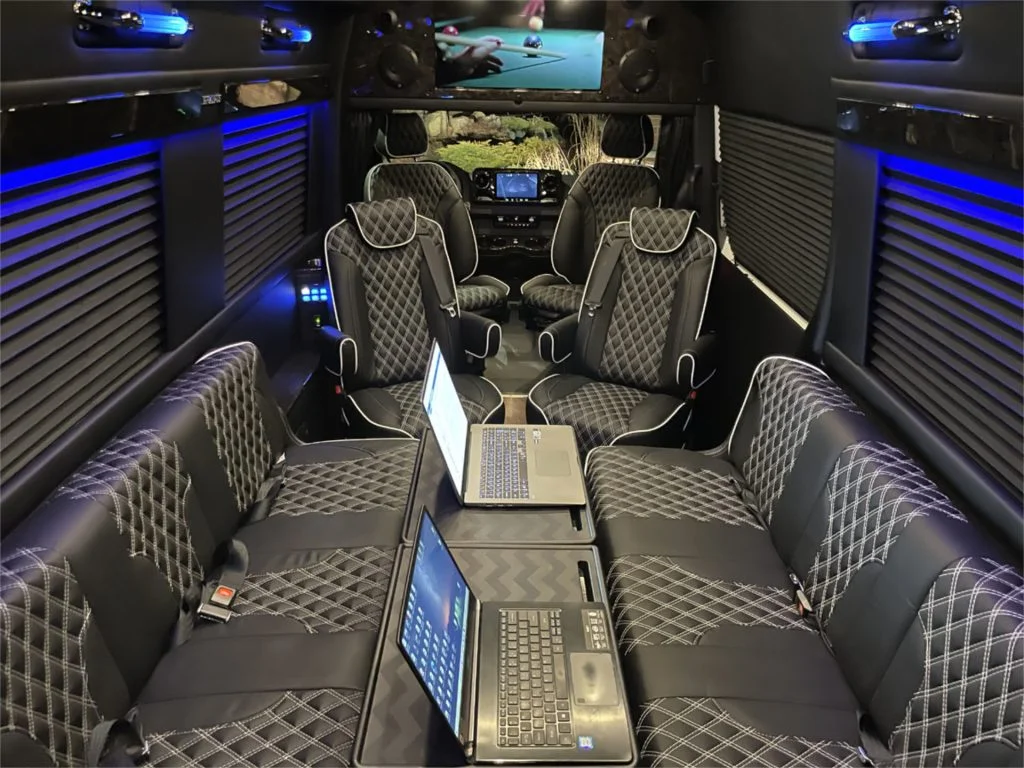
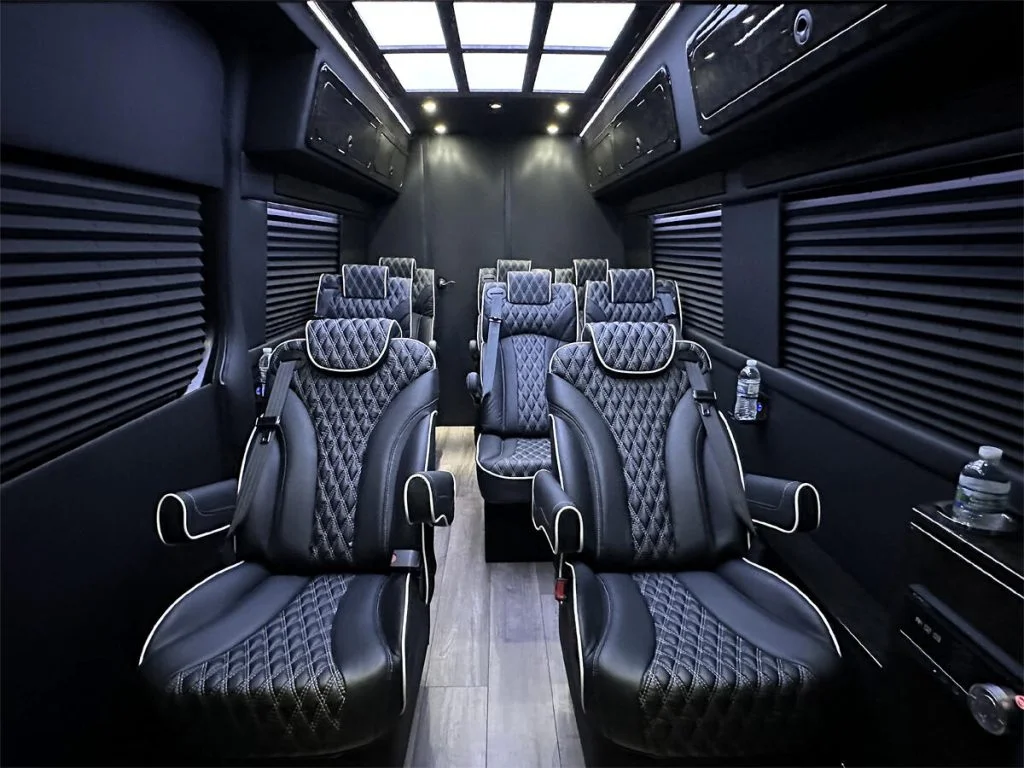
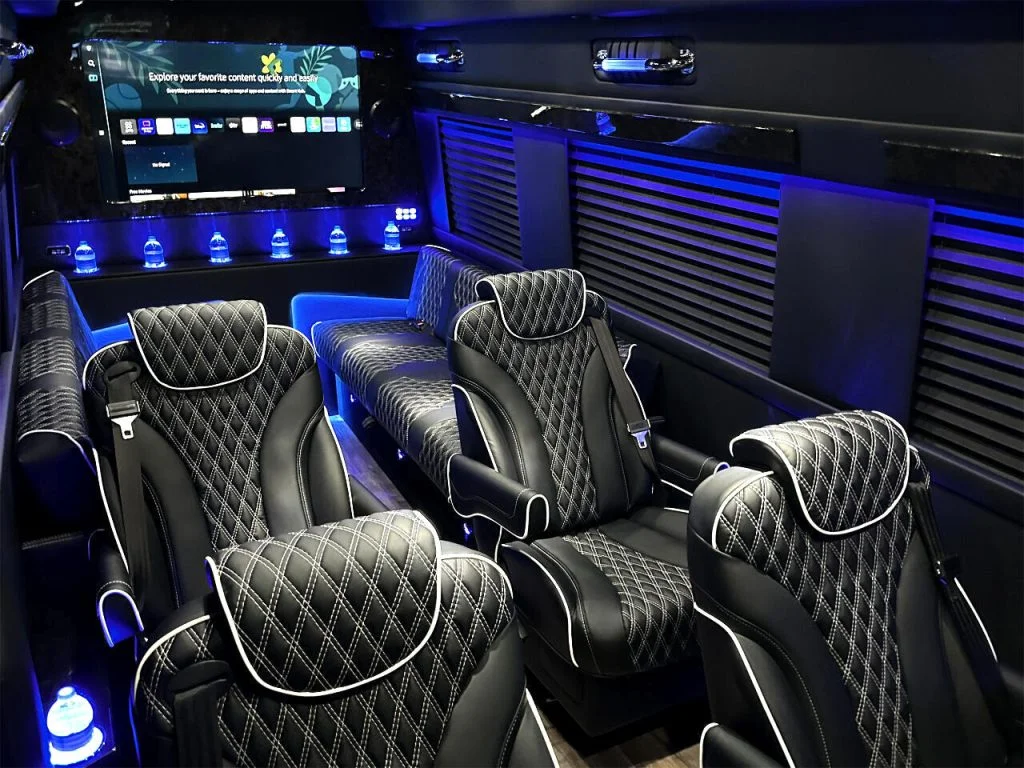
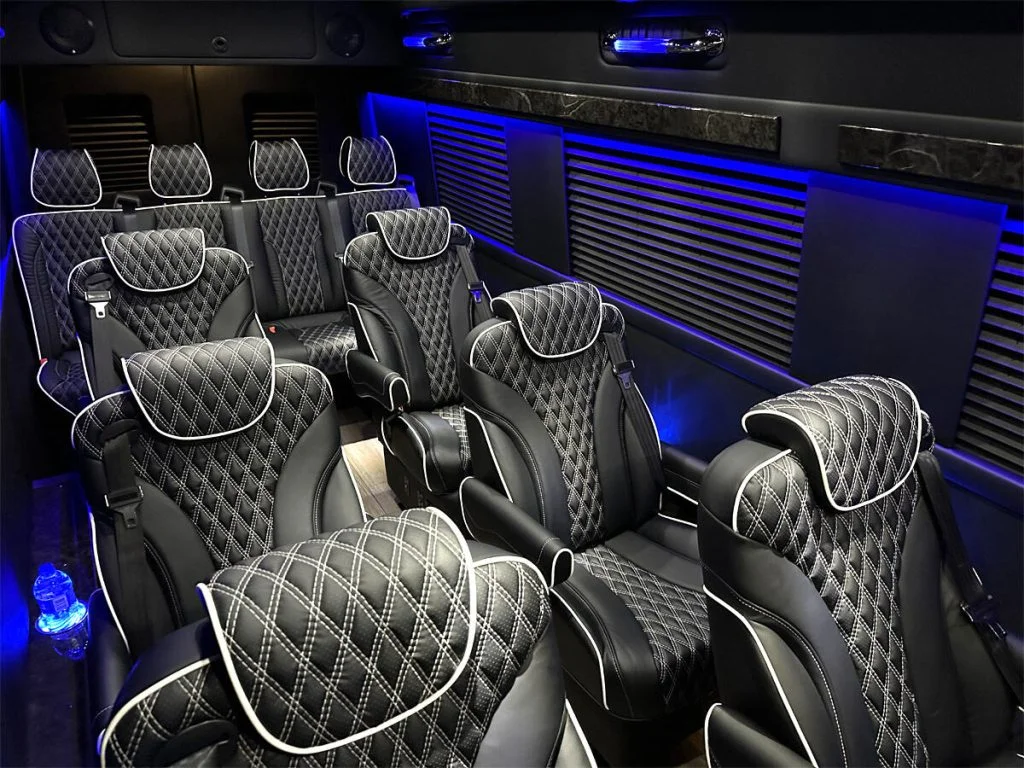
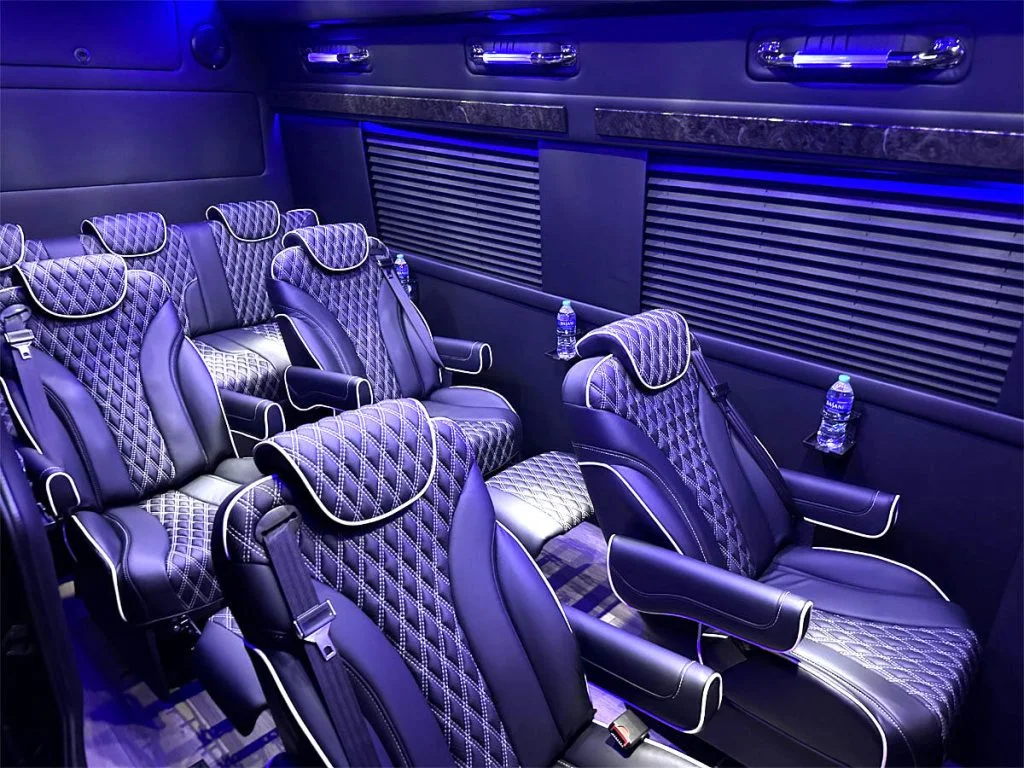
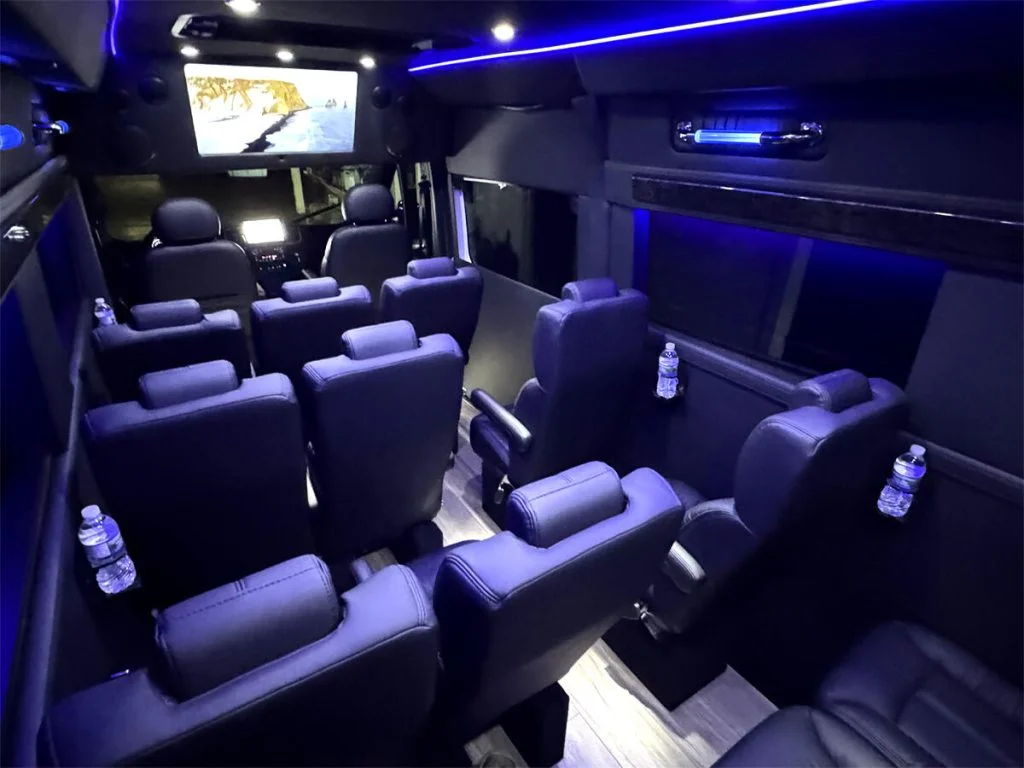
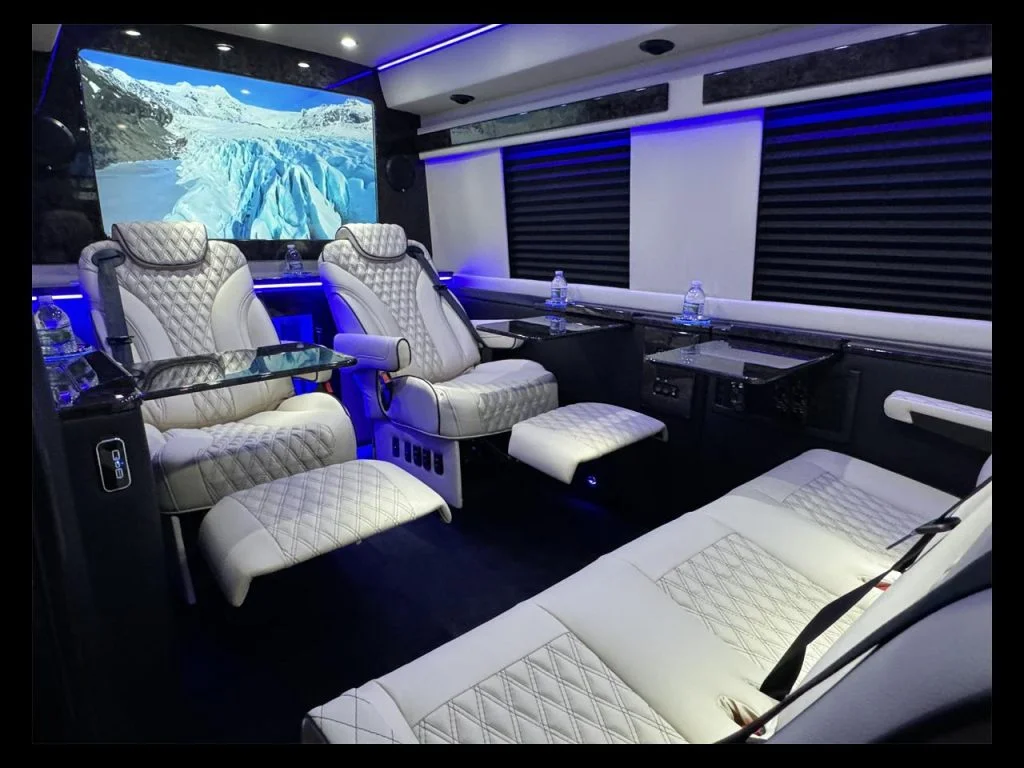
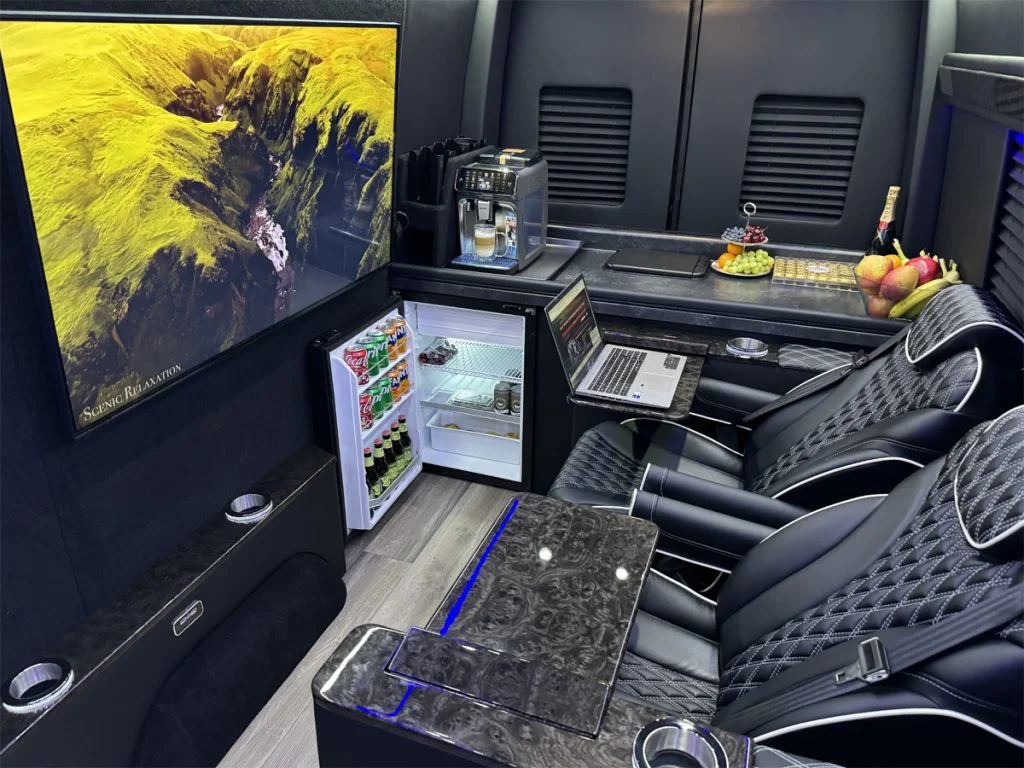
Operate the seats, bed mechanism, shades, entertainment controls and lighting. Open the storage you expect to use. For a van with plumbing, arrange an appropriate demonstration of its water system; if it is winterized, agree how operation will be verified before completing the purchase. Do not ask someone to run equipment dry or undo winterization casually just to finish a checklist.
Test the layout with your own routine
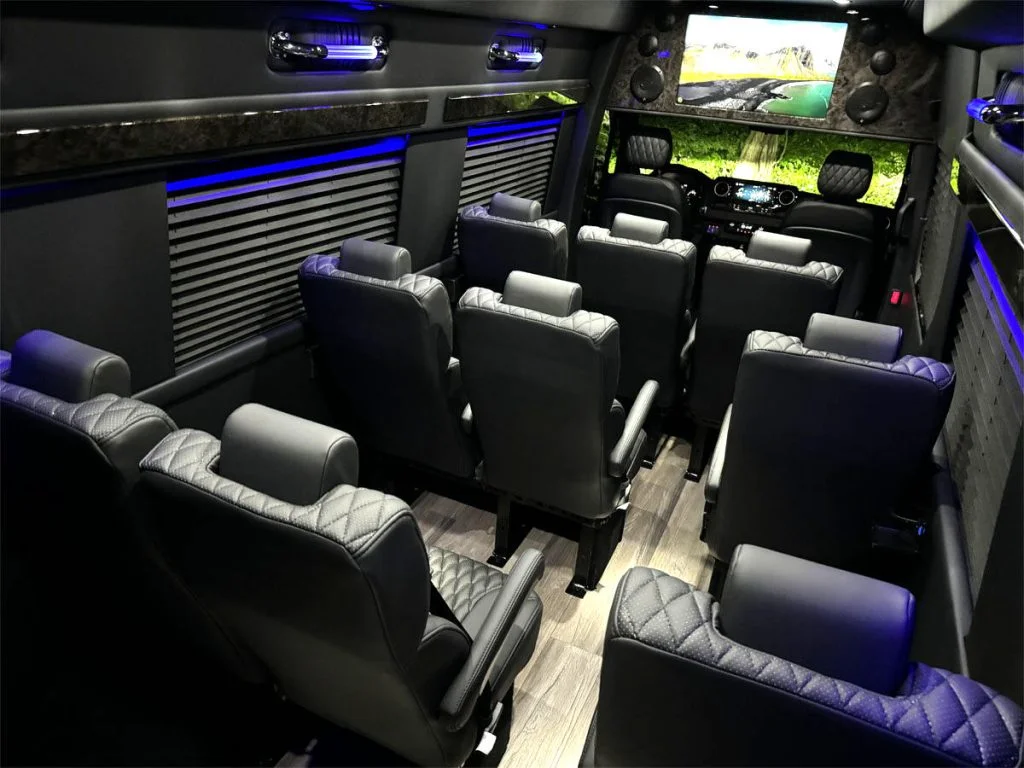
Bring the dimensions of your luggage and any bulky gear. Sit where you will actually ride. Check whether a reclined seat blocks a cabinet, whether the bed requires moving bags, and whether the bathroom can be reached when the cabin is configured for sleep. Confirm the designated travel seating with the builder’s documentation; a place to sit while parked is not automatically a travel seat.
Measure the finished van for your driveway and usual parking. Request its completed-vehicle loading information, too. These checks answer different questions: a van may fit your garage approach but not carry the passenger-and-luggage combination you have in mind.
Turn findings into a written decision
Make one list with three columns in your notes: confirmed working, repair needed and still unverified. Ask for written estimates for material repairs and identify who would perform them. Resolve purchase terms, included accessories and promised repairs with the seller before committing.
A used conversion can be the right choice when its condition, equipment and history fit your needs. The useful comparison is between documented vehicles and their actual repair requirements—not simply between odometer readings. Once you choose one, use our delivery-day checklist for the final handover.
Sources checked September 24, 2026. Confirm the equipment, labels and manuals for your specific completed vehicle.