



Destinations
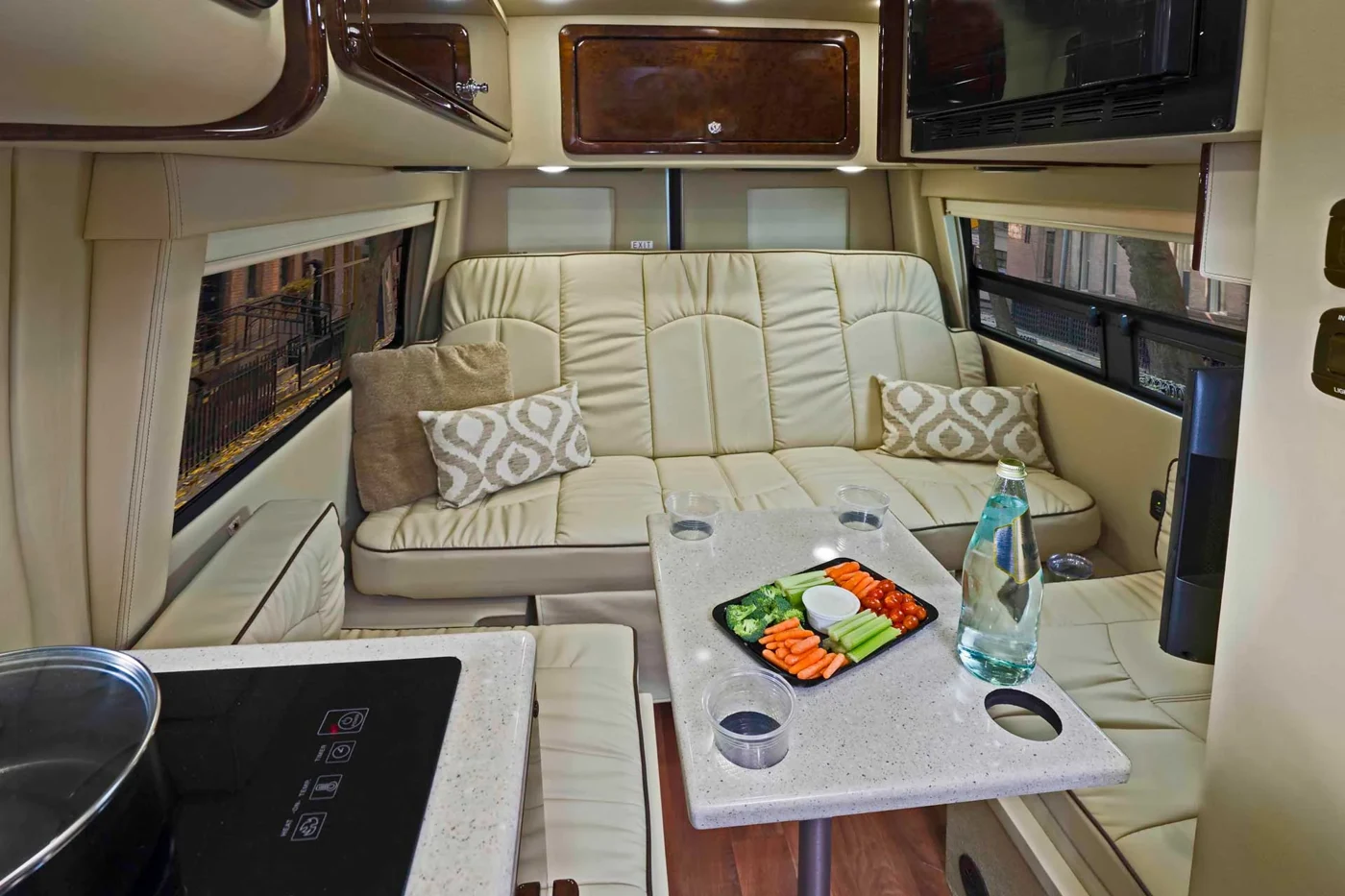
A Death Valley trip in a luxury Sprinter starts with two decisions: where the van will sleep and which roads you will use to reach it. Choose those before filling an itinerary with viewpoints. A campground listing, a hookup site and a road shown on a navigation app answer different questions.
For a winter visit, make the overnight plan specific to your completed van and the services your group needs. The steps below focus on established campgrounds and a manageable route. They do not assume every campground is open, that every site fits a Sprinter, or that the van can use an unpaved shortcut.
Choose the campground and the individual site
The NPS developed-campground guide identifies Furnace Creek as the park's reservable NPS campground, with a reservation season from October 15 through April 15. It offers both dry camping and a limited number of full-hookup sites. A reservation at Furnace Creek therefore does not by itself mean you have electricity, water and sewer at the site.
Open the individual listing on Recreation.gov and check the permitted equipment, dimensions and facilities before booking. Its campground information excludes campervans from tent-only walk-in sites. Use your van's overall length with any rear carrier, and read the specific site's restrictions rather than relying on a campground photograph.
Save the site number, confirmation and arrival instructions offline. If two travelers are comparing options, have one check the vehicle fit while the other checks the overnight facilities. That simple division catches a surprisingly easy mistake: selecting the right campground but the wrong kind of site.
Treat seasonal opening dates as something to verify
Check the park's Alerts & Conditions page before making a backup plan. When checked on November 19, 2026, it still listed Texas Springs and Sunset under seasonal closures. A planned reopening window on a general campground page is not confirmation that a site is available tonight.
The same conditions page listed scheduled daytime power interruptions, including November 19 and several December dates, and warned that outages can affect services and communications. Recheck the notice for your travel dates. Ask how an interruption would affect your particular overnight arrangement instead of assuming a reservation guarantees uninterrupted power.
Have an alternative outside the original plan that you can actually use: another confirmed campground or suitable lodging, with parking checked for the van. Decide when you will switch plans. Arriving earlier gives you more options than discovering a closure after an ambitious day of sightseeing.
Separate the driving route from the sightseeing list
Review the park's current road information alongside your navigation route. The November 19 check showed flood-related closures and cautions, including a closure of Titus Canyon Road. These notices can change; they are reasons to consult the current map, not a permanent list to memorize.
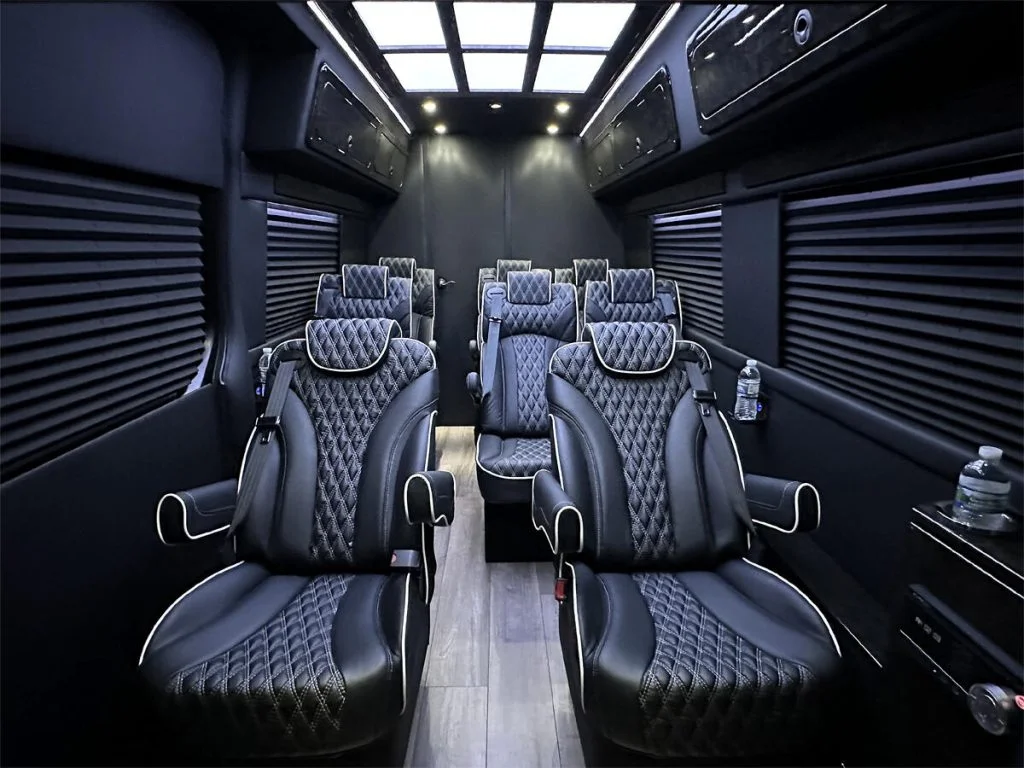
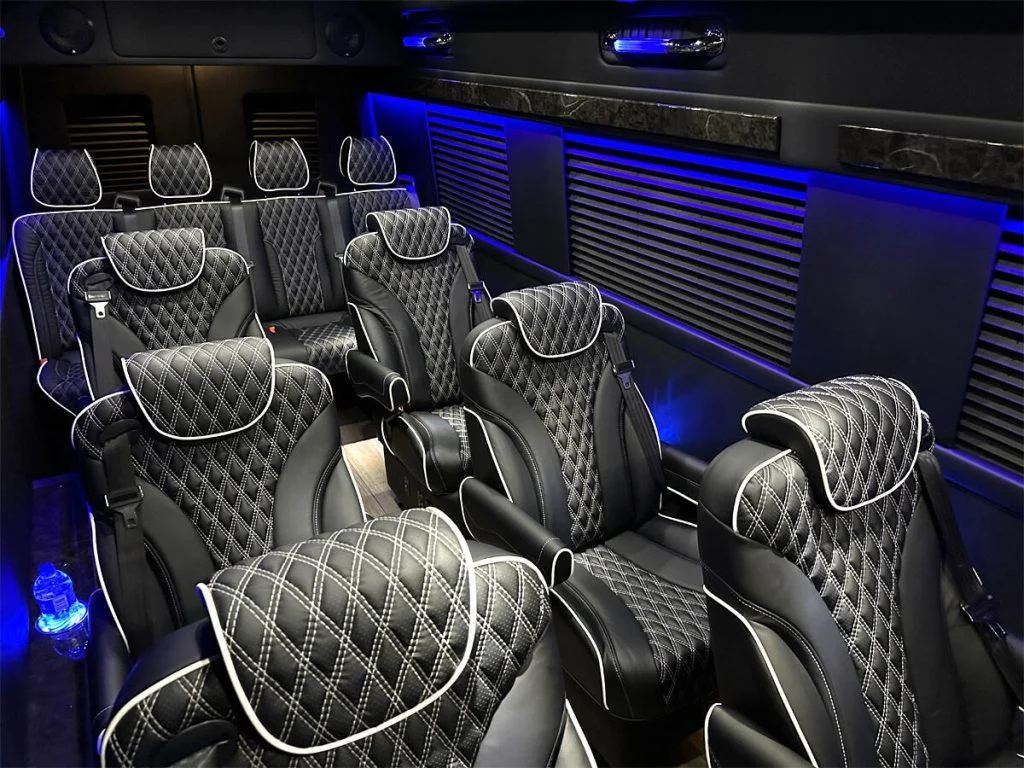
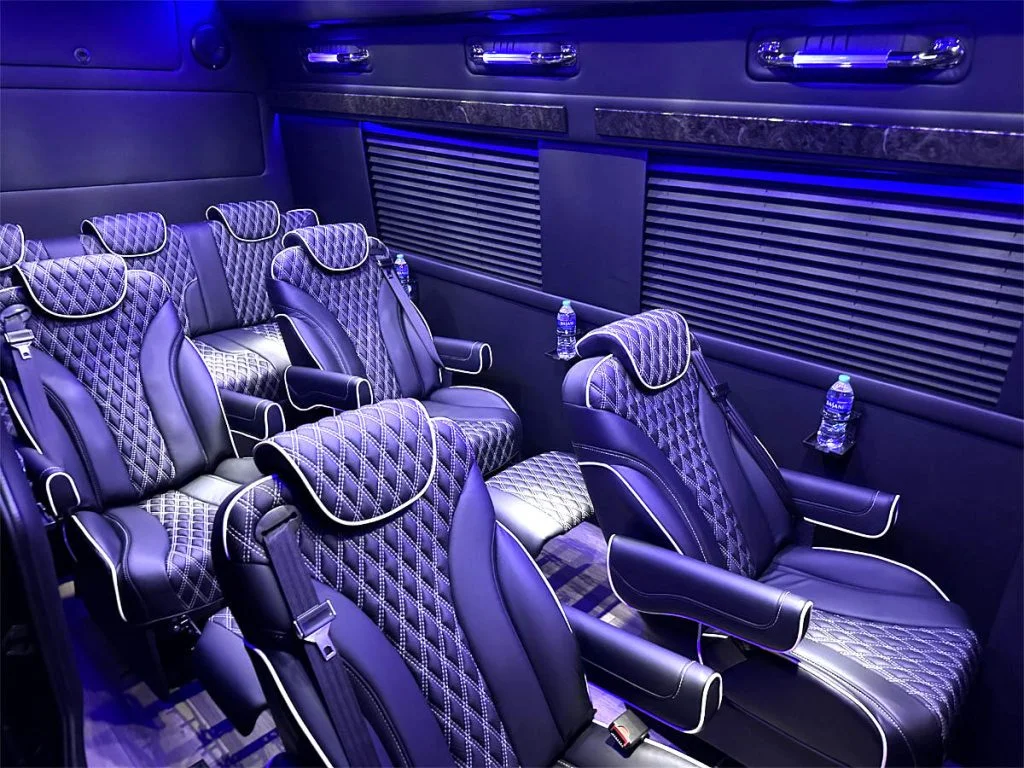
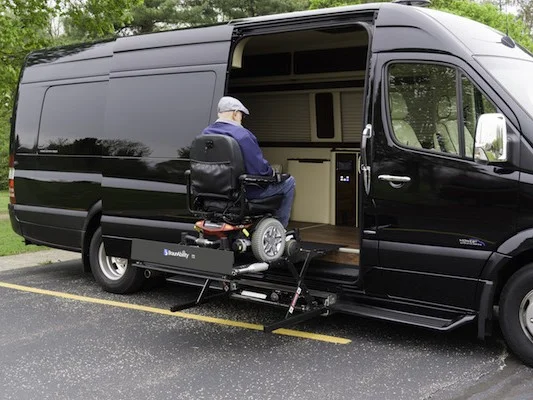
Start with a route whose road surface, dimensions and access suit the actual van. Ask the converter about relevant limitations and review the chassis instructions. Do not interpret four-wheel drive, tall tires or a rugged-looking photograph as permission to use a road that is closed or unsuitable.
Write the day's essential stops in order: fuel, supplies, campground and only then optional viewpoints. Put a turnaround decision into the plan for delays. Your overnight destination is more important than completing a loop that leaves the driver tired or makes arrival depend on an uncertain road.
Plan water, power and communications independently
Use the site's confirmed facilities to build the van's overnight routine. If you reserve dry camping, work through the equipment and supplies that must operate without a pedestal. If you reserve hookups, check the connection requirements against the installed system; our shore-power checklist can guide that conversation.
Estimate drinking, cooking and washing needs for your own group, then confirm where you can refill. Keep a reserve for a delayed departure or a changed stop. The water-planning guide helps separate tank size from a usable refill itinerary.
The park's safety guidance notes limited to no cellular service and the potential for high winds and flooding. Download the information you need before entering an area with poor reception. Share your route and check-in expectations with someone who is not traveling with you.
Make the first evening easy
Plan to arrive with time to find the correct site, settle the van and review the next day's route. Keep the first meal straightforward and the bedding accessible. Check the forecast for the place you will sleep, not only a daytime forecast for a distant viewpoint.
Before departure, test the parked-cabin heating arrangement and confirm that your normal sleeping setup works. A useful Death Valley itinerary leaves room to respond to changing conditions. The van provides a comfortable base only when the overnight site, supplies and route have been planned together.
Sources checked November 19, 2026. Recheck current travel conditions and the equipment, labels and manuals for your specific completed vehicle.