



Everyday ownership
A roadside plan for a luxury Sprinter needs more detail than a membership card in the glovebox. The dispatcher needs to know what vehicle requires help, the recovery operator needs suitable equipment, and the people traveling with you need a way to continue their journey if the van cannot.
Prepare that information while the van is parked at home. This guide is for planning a professional response, not for attempting a tow, jump-start or roadside repair yourself. If an incident presents immediate danger, contact emergency services and follow their directions before dealing with membership or repair arrangements.
Confirm eligibility for the completed vehicle
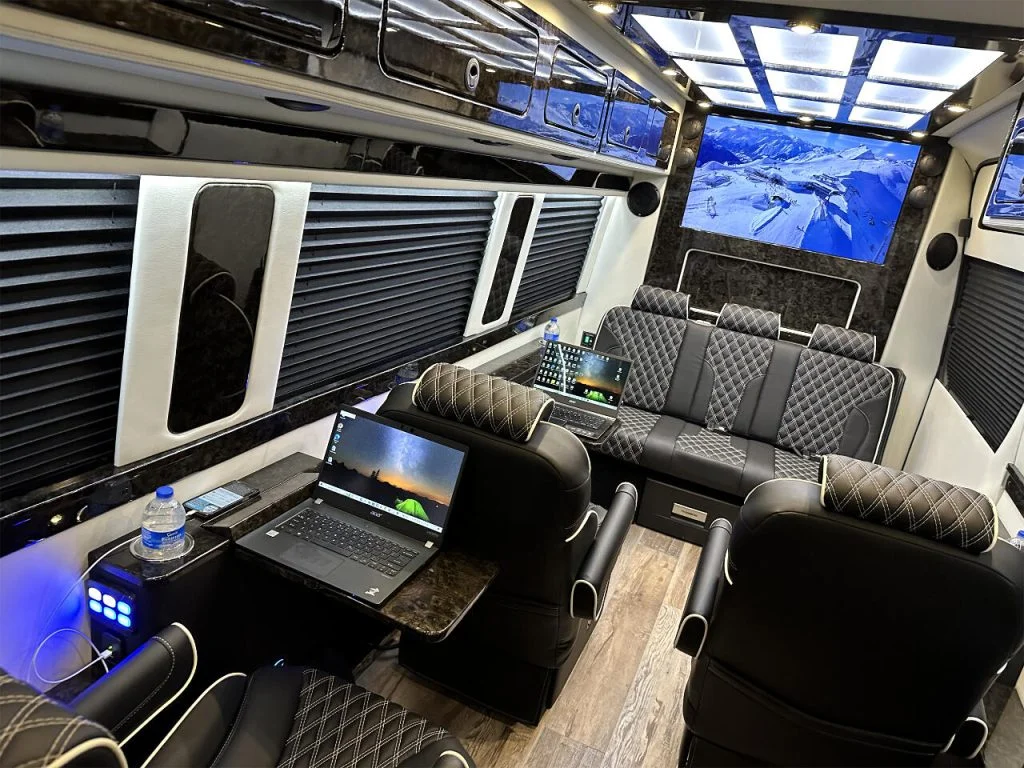
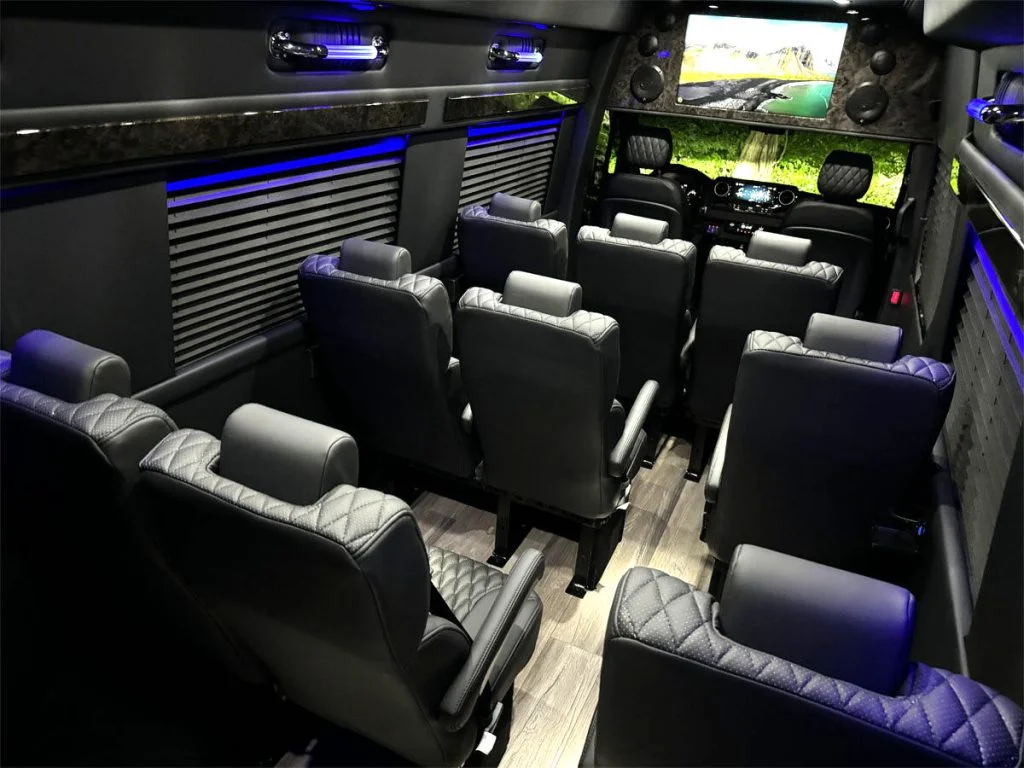
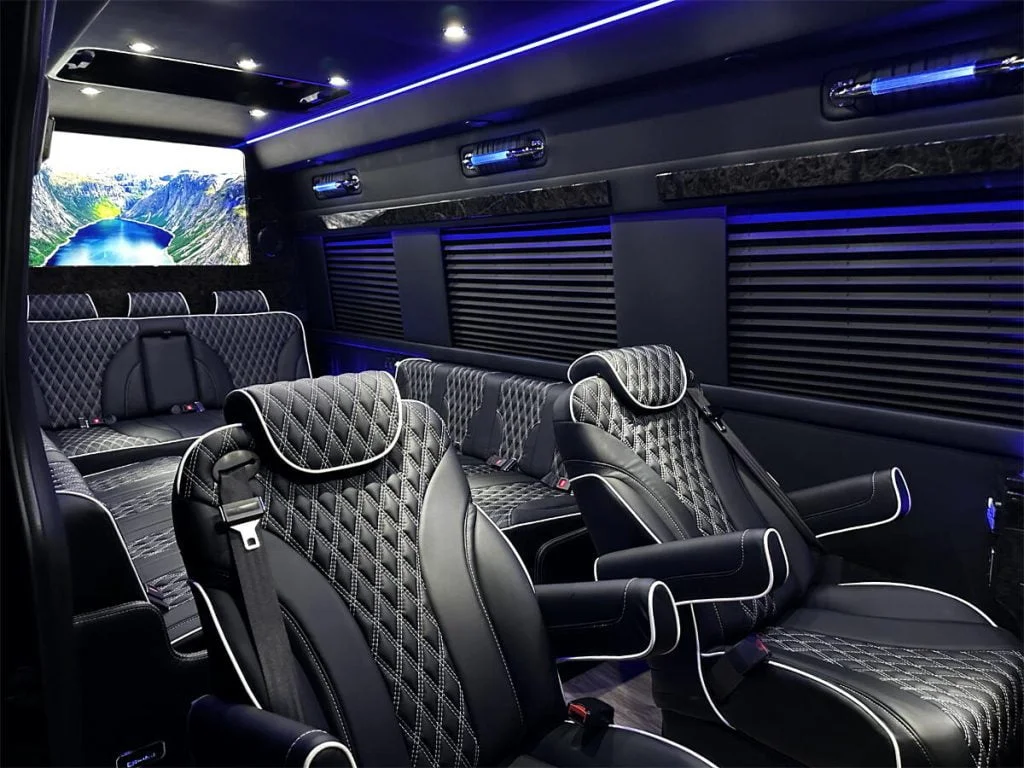
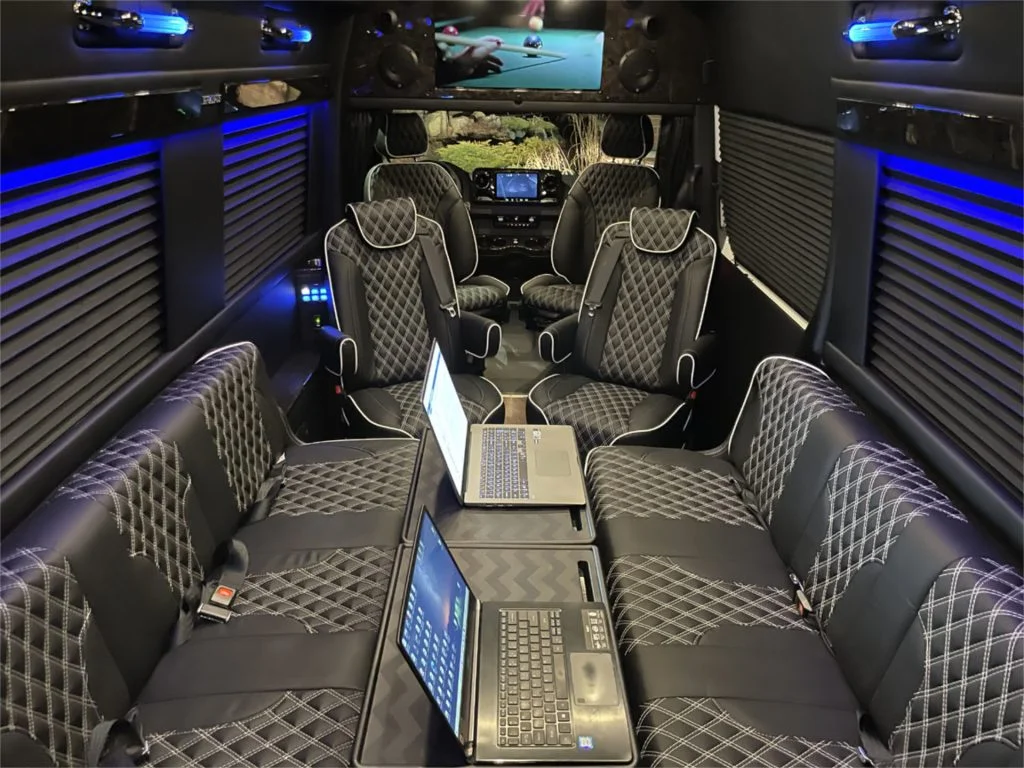
Ask your assistance provider to review the actual conversion, its use and its dimensions. Describe it accurately: passenger conversion, camper or other configuration, along with any trailer. A Sprinter badge alone does not describe everything the provider will need to assess.
Read your own plan's current terms. As one example, AAA Western and Central New York's terms discuss size, height, weight and wheelbase when determining whether service can be safely delivered, and distinguish extended RV coverage. Those regional terms are not a promise about another club or your membership. Ask your provider for written confirmation of the relevant eligibility and limits.
Record the dispatch number, membership or policy reference, geographic coverage and any applicable waiting period. Ask how assistance is arranged outside your home area and whether you must call before authorizing an independent operator. Save the answer where another traveler can find it.
Build a vehicle information card
Write down the VIN, chassis model year, conversion manufacturer and model, fuel type and drivetrain information from the vehicle's records. Add the completed van's measured height and overall length, including fixed exterior accessories. Keep documented weight information clearly labeled; do not substitute a brochure's empty-van figure for a loaded vehicle.
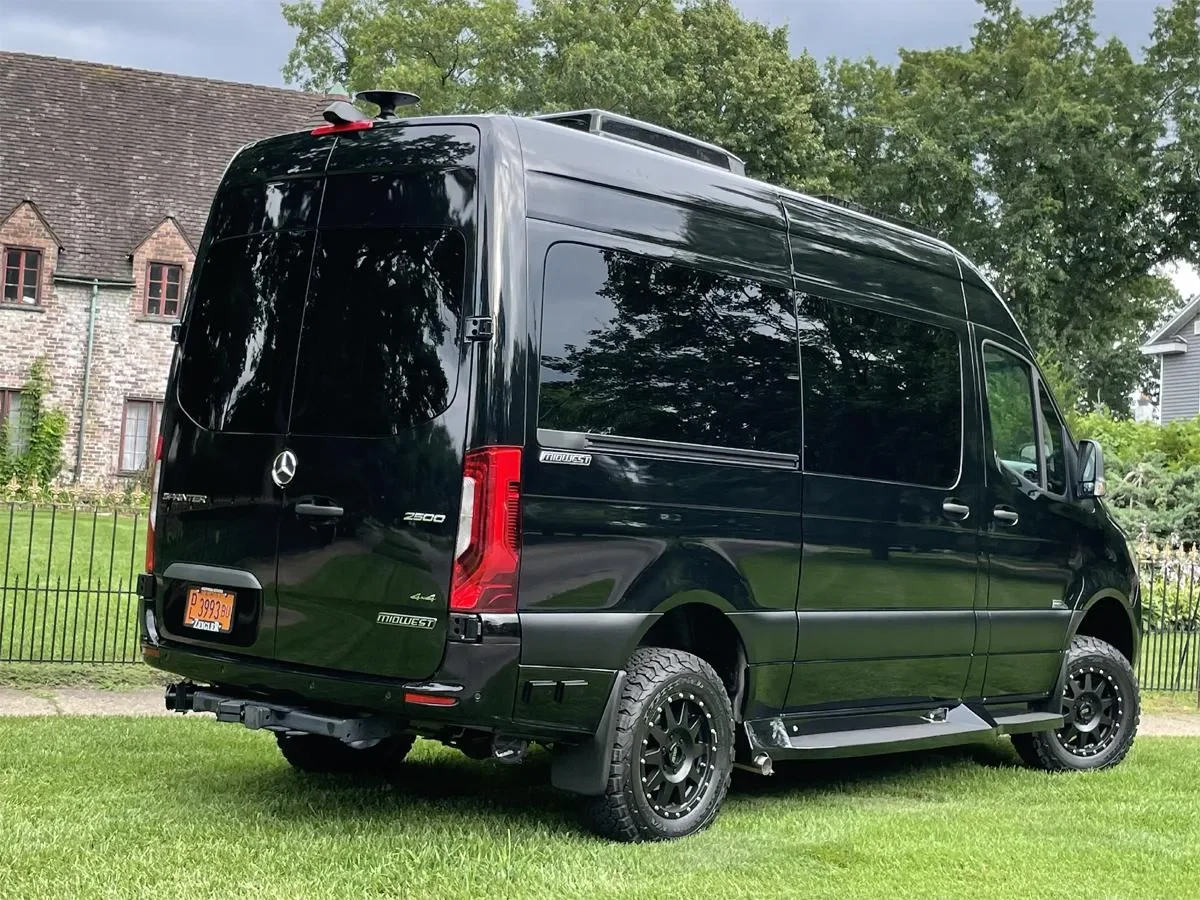
Photograph the vehicle from the front, rear and both sides while safely parked. These pictures can help explain low bodywork, a rear carrier or an unusual configuration before an operator arrives. Note whether a trailer is attached and provide its own description. Ask whether recovering it requires a separate arrangement.
Keep the correct chassis manual available offline through the Mercedes-Benz owner-manual library, together with the converter's instructions. Let the qualified operator determine the appropriate recovery method using the vehicle-specific instructions. Do not improvise attachment points or assume another Sprinter owner's method applies.
Plan the destination as well as the pickup
Ask the assistance provider how the destination is selected and what happens when the relevant workshop is closed. Verify that the receiving location works on your chassis or installed system, can accommodate the completed van and will accept the vehicle. A nearby business with “RV” or “Mercedes” in its name is not enough to settle those questions.
Before a longer trip, identify a service contact near your destination and one near a practical stopping point on the route. Our converted Sprinter service guide explains why chassis and cabin work may need different conversations. Keep any approval or reference number with the receiving workshop's name.
Ask about after-hours access, secure storage and how keys are transferred. If you need belongings from the van, discuss access with the operator or workshop. Record who has custody and the destination address so the vehicle's location does not become another uncertainty.
Give passengers their own backup plan
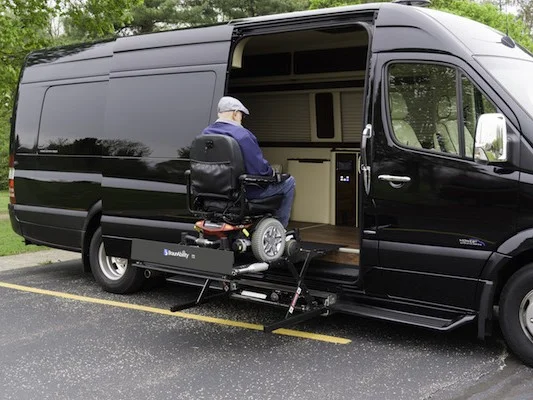
Do not assume a recovery truck can carry everyone in your party. Ask the provider about passenger arrangements in advance, especially when traveling with children, pets or someone who needs accessible transport. Identify a realistic alternative for the number of people traveling and the luggage they will need.
Keep essential medication, identification, chargers and overnight items accessible while the van is parked. Decide who will contact accommodation and who will update the rest of the group. For a remote route, save maps and important telephone numbers offline and agree on a check-in plan with someone at home.
A route with weak mobile coverage needs its own communication plan. Research that before departure rather than assuming an app will work everywhere. The van connectivity guide is useful background, but internet access and emergency communication are different requirements.
Rehearse the call before the trip
Ask another traveler to locate the contact sheet and describe the van using only the information on it. If the provider asks for dimensions, location, occupancy or a trailer description, can they find the answer quickly? Correct gaps while you have time.
Finish with a short record template: date, location, symptoms, provider, reference number, operator and receiving workshop. Collect receipts and written approvals as events occur. You are preparing a coordinated handoff between people, equipment and a destination, rather than relying on the word “covered” to answer every question.
Sources checked November 19, 2026. Recheck current travel conditions and the equipment, labels and manuals for your specific completed vehicle.